
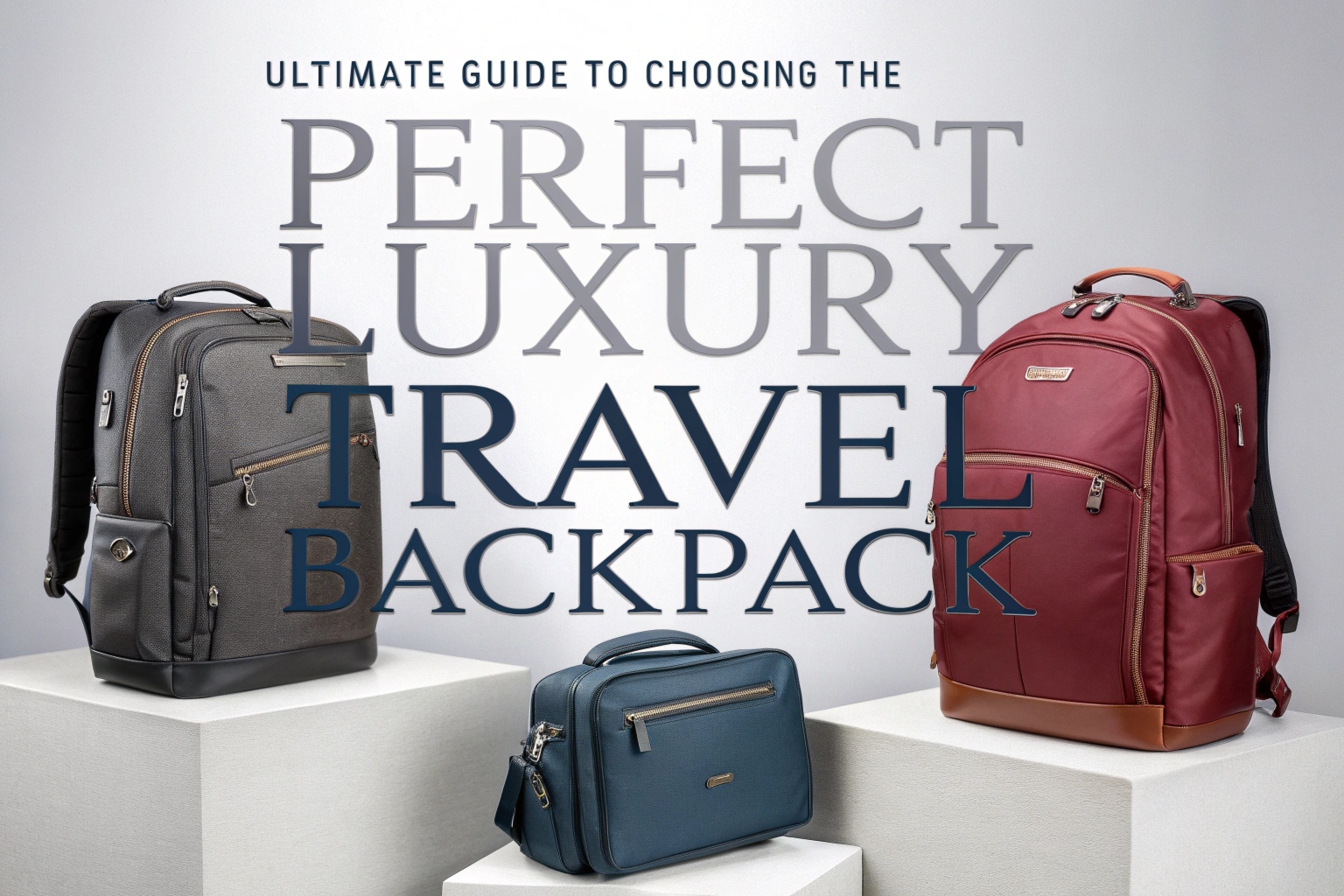
Are you ready to find the perfect luxury travel backpack that fits your style, your tech, and your travel habits?
Ultimate Guide To Choosing The Perfect Luxury Travel Backpack
You’re about to read a thorough guide that will walk you through everything important when selecting a luxury travel backpack. This covers materials, ergonomics, organization, airline compliance, care, and how to decide which features are worth spending on. You’ll learn practical tips that help you make a confident choice and get the best value from a high-end purchase.
Why choose a luxury travel backpack?
Choosing a luxury travel backpack means prioritizing quality, reliability, and long-term serviceability. When you invest in a higher-end piece, you’re buying better materials, refined construction, and features designed to improve your travel experience.
Luxury options not only look polished, they often come with superior hardware, warranties, and repairs or refurbishment services. That can make a significant difference if you travel frequently or if you want an item that ages gracefully.
Benefits of luxury over mainstream backpacks
Luxury backpacks tend to use premium leathers or high-grade technical fabrics, heavy-duty zippers and buckles, and more thoughtful internal layouts. You’ll usually find better warranties, repair networks, and customer support. Those extra benefits matter when you want your backpack to last for years and still function well on long trips.
Buying luxury also often means better attention to comfort features—strap shaping, back ventilation, and balanced load distribution—which reduces fatigue on long hauls.
Key features to prioritize
Choosing the right backpack depends on how you travel and what you carry. Below are the main features to evaluate and why each matters to your comfort, security, and packing efficiency.
Material and durability
Material is the first thing you’ll notice and the single biggest factor in how a backpack performs over time. Luxury backpacks use several premium materials:
- Full-grain leather for a classic, high-end look that develops character.
- Ballistic nylon for abrasion resistance and lighter weight.
- Waxed canvas for a vintage aesthetic with decent water resistance.
- Technical synthetic fabrics (e.g., Cordura, premium TPU-coated textiles) for weather protection and durability.
Each material has trade-offs between weight, appearance, weather resistance, and maintenance.
Table: Material comparison
| Material | Durability | Weight | Water resistance | Maintenance | Best for |
|---|---|---|---|---|---|
| Full-grain leather | Very high | Heavy | Low to moderate (needs treatment) | Requires conditioners, careful cleaning | Business travel, luxury aesthetics |
| Ballistic nylon | High | Light to moderate | Good | Easy to clean | Frequent travelers, urban use |
| Waxed canvas | Moderate | Moderate | Good (when waxed) | Reapply wax, spot clean | Casual luxury, weekend trips |
| Technical synthetics (TPU-coated) | High | Light | Excellent | Wipe clean | Adventure travel, wet climates |
Build quality and hardware
Pay close attention to stitching, seam reinforcement, and hardware quality. High-end backpacks use top-grade zippers (often YKK, Riri, or similar), corrosion-resistant metal buckles, and reinforced handles. Hardware longevity affects usability—broken zippers or weak buckles undermine even the best materials.
When inspecting, look for double-stitching at stress points, densely packed thread, and metal parts that feel solid. Smooth zippers and snug clasps are signs of good construction.
Comfort and ergonomics
A luxury backpack should feel like it was made for your body. Ergonomic features reduce strain:
- Padded shoulder straps with shaped contours.
- Sternum straps and hip belts to distribute weight.
- Ventilated or molded back panels to improve airflow.
- Adjustable torso length or removable/adjustable straps.
Comfort matters most when you’re carrying heavier loads or traveling long distances. Try carrying a loaded sample to judge how the pack sits on your shoulders and hips.
Size and capacity
Size is usually measured in liters. Choose a capacity that fits your trip type and packing style.
Table: Size guidance by trip type
| Capacity (liters) | Typical use | What you can fit |
|---|---|---|
| 15–20 L | Daily commuter, minimalist carry | Tablet, small notebook, essentials |
| 20–30 L | Day trips, carry-on minimalist | Laptop 13–15″, clothes for 1–2 days |
| 30–40 L | Weekend travel, carry-on compliant | Laptop 15″, 2–4 days of clothing |
| 40–50 L | Longer trips (carry-on/checked) | 5–7 days clothes, shoes, gear |
| 50+ L | Extended travel or gear-heavy trips | Multiple packing cubes, camera or outdoor gear |
If you want a carry-on that also functions as daily luggage, 30–40 L is often the sweet spot. If you prefer checked luggage, you can opt for larger sizes.
Organization and compartments
Organization is where luxury backpacks often shine. Look for:
- Padded laptop and tablet sleeves.
- Quick-access pockets for passport, phone, and boarding pass.
- Dedicated tech pockets for chargers, batteries, and cables.
- Shoe or laundry compartments to separate clean items.
- Internal compression straps or packing cube-friendly designs.
Think about your daily routine: how often do you access your laptop, documents, or camera? The layout should match how you move through airports, meetings, and accommodations.
Security features
Security features protect your belongings and your peace of mind. Useful options include:
- Lockable zippers or TSA-approved locks.
- Hidden or anti-theft pockets against your back panel.
- Slash-resistant panels and reinforced straps.
- RFID-blocking pockets for cards and passports.
No single feature prevents theft, but layered security—good hardware, hidden pockets, and situational awareness—helps.
Weight
A luxury backpack should balance sturdiness with manageable weight. Heavier materials like leather add weight even when empty. Consider the backpack’s empty weight and how it affects your overall load when packed.
If you travel frequently by plane and aim for carry-on, a lighter pack lets you bring more inside without exceeding airline limits.
Aesthetics and style
A luxury backpack is both functional and a style statement. You’ll want a look that matches your wardrobe and how you present yourself—sleek minimalism for business, classic leather for a refined look, or modern technical for active travel. Choose colors and finishes that work across different settings.
Sustainability and ethics
Sustainable practices and ethical sourcing are increasingly important. Look for:
- Responsibly sourced leather (or quality alternatives).
- Recycled or low-impact materials.
- Transparent supply chains and fair labor practices.
- Repairability and modular components to extend lifespan.
A durable bag that can be repaired is more sustainable than a cheaply made item replaced frequently.
Warranty and after-sales service
High-end brands often offer extended warranties, repairs, and refurbishment services. A solid warranty typically signals confidence in quality and makes long-term ownership easier. Check whether the company has repair centers or offers replacement parts.
Price and value
Luxury backpacks can range from premium-but-affordable to very high-end couture. Your budget will influence material choices and brand selection. Spend more if you want real leather, specialized hardware, or a well-known designer label. Spend smartly by prioritizing features you’ll use every trip.
Table: Price tiers and what to expect
| Price range (approx.) | Typical features |
|---|---|
| $150–$350 | High-quality synthetics, good organization, good zippers |
| $350–$700 | Premium fabrics, leather accents, better warranty, refined design |
| $700–$1,500+ | Full-grain leather or couture brand, superior hardware, strong service |
Choosing by trip type
Different trips require different backpacks. Consider how you travel most often and choose accordingly.
Business travel
If you travel for meetings, your priorities are a sleek silhouette, laptop protection, and quick access pockets for documents and passes. Neutral colors and luxury leather or refined nylon help you look polished. An internal organizer for pens, cards, and small tech keeps you organized in meetings.
Weekend and short trips
For 1–3 day trips, you want a bag that fits a compact wardrobe and toiletries. Multiple compartments or packing-cube friendly interiors will save time when you arrive. A separate shoe compartment helps keep clothes clean.
Long-term travel
Durability, comfort, and repairability are essential for extended trips. Choose robust materials, reinforced straps, and a brand with reliable service. Quick-access pockets, versatile organization, and weather resistance will make life easier on the road.
Adventure and outdoor travel
If you plan to bring outdoor gear or travel through rough conditions, focus on water-resistant materials, heavy-duty zippers, external attachment points for gear, and comfort features like hip belts. Technical synthetics outperform leather in wet, muddy, or rugged environments.
Urban commuting vs. international travel
Urban commuting tends to prioritize quick access, slim profiles, and weight. International travel prioritizes capacity, security, and organization. Choose a design that satisfies your most frequent use-case.
Airline and carry-on compliance
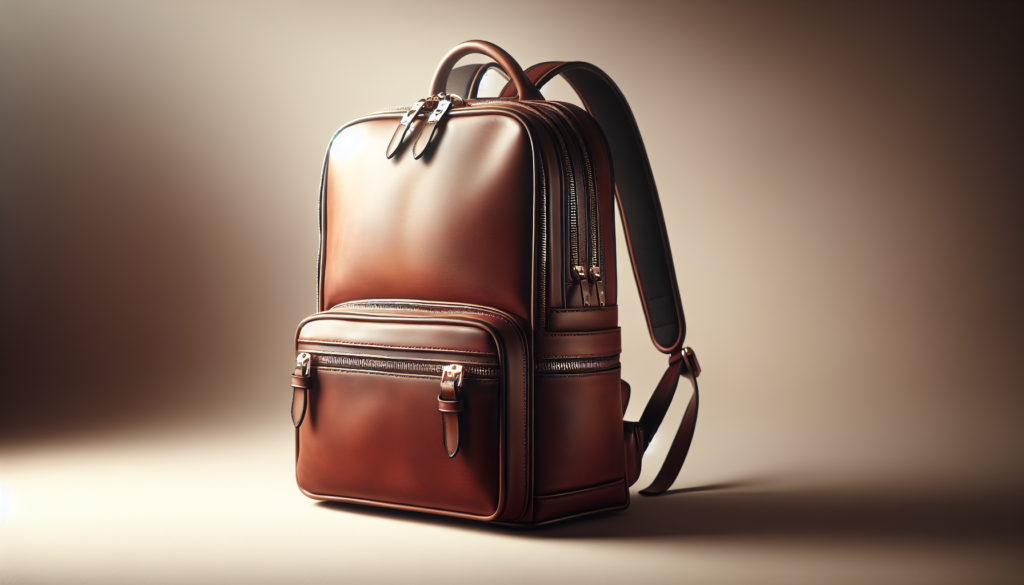
Airlines vary in size restrictions. Before buying, check the dimensions and ensure the pack will fit common overhead spaces. Many international and domestic airlines allow carry-on bags within roughly 22 x 14 x 9 inches (56 x 36 x 23 cm), but this is not universal.
Tips for carry-on compliance:
- Measure height, width, and depth including external pockets and wheels (if present).
- Consider expandable compartments if you need extra capacity occasionally.
- Use compression straps or packing cubes to control volume.
- If you’re frequently flying different carriers, prioritize slightly smaller dimensions to avoid surprises.
How to test a luxury backpack in-store
Trying before buying is crucial. If you can’t visit a store, use detailed reviews and return policies.
When testing in person:
- Load the bag with weight representative of what you carry (laptop, books, clothes).
- Adjust straps and walk around to feel balance and comfort.
- Open every compartment and test the functionality of pockets.
- Check how the bag sits when you bend, get in and out of cars, and stand in crowds.
- Inspect hardware quality: open zippers, buckle, and feel for any rough edges.
- Smell the inside—new bags can sometimes have strong adhesives or treatments.
If ordering online, confirm return policy and warranty terms. You’ll want to return a bag that doesn’t meet comfort or practicality expectations.
Common mistakes to avoid
You can save time and money by avoiding these frequent errors:
- Buying a bag that’s too large because “it seemed useful.” Oversized backpacks encourage overpacking and can be cumbersome.
- Ignoring comfort features. A beautiful bag is useless if it strains your shoulders.
- Prioritizing style over functionality. Make sure pockets and compartments match your actual needs.
- Buying without testing for laptop fit or carry-on compliance.
- Skipping the warranty and repair policy check—these matter with high-end purchases.
Caring for your luxury backpack
Proper care preserves appearance and performance for years.
- Leather: Use a neutral leather conditioner periodically. Avoid soaking leather; treat stains promptly and keep it away from direct heat.
- Nylon and synthetics: Clean with gentle soap and water. Allow to air dry. Avoid abrasive cleaners.
- Waxed canvas: Reapply wax as needed to maintain water resistance. Clean with a damp cloth; do not machine wash.
- Hardware: Lubricate zippers lightly if they become stiff. Keep metal parts dry after exposure to salt or rain to prevent corrosion.
Store the bag stuffed with tissue or soft clothes to keep its shape. If you aren’t using it for long periods, keep it in a breathable dust bag.
Packing tips to maximize your backpack
Efficient packing makes your luxury backpack work harder for you.
- Use packing cubes to compartmentalize clothes and separate clean from dirty items.
- Roll soft garments to save volume and reduce wrinkles.
- Place heavier items close to your back and toward the center for better balance.
- Keep frequently used items—passport, wallet, phone—in quick-access pockets.
- Use cable organizers or a tech roll to manage chargers and cables.
- If your bag has an external water bottle pocket, use collapsible bottles to conserve space when empty.
These techniques help you pack more efficiently while protecting fragile items.
Customization and personalization
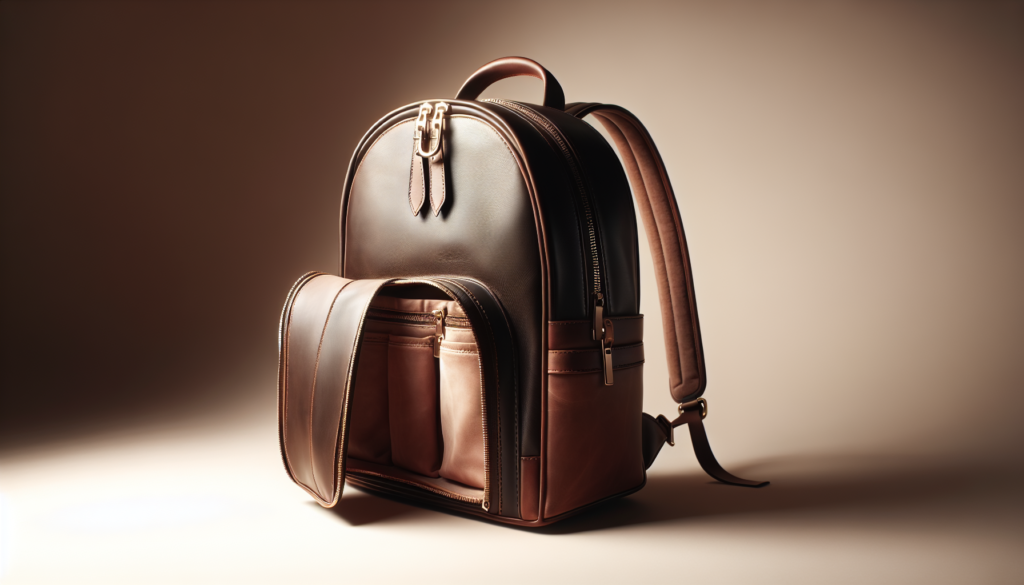
Many luxury brands offer personalization like monogramming or custom leather colors. Custom straps, modular inserts, and removable organizers let you tailor the bag to specific roles—photography, business, or short trips.
Consider modular accessories such as camera inserts, toiletry kits, or travel organizers compatible with the backpack’s interior dimensions.
Top brand styles and strengths
Different brands emphasize different strengths. Below is a high-level overview to help you identify what to look for—without endorsing a single maker.
Table: Brand style and strengths (generalized)
| Brand style | Typical strengths |
|---|---|
| Business-luxe | Sleek leather, refined design, excellent laptop protection |
| Technical-premium | Weatherproof synthetics, modular organization, outdoor durability |
| Designer couture | High fashion materials, distinctive aesthetics, luxury branding |
| Performance-premium | Lightweight builds, ergonomic systems, airline-friendly layouts |
When choosing, match brand strengths to your priorities: a fashion label might look stunning but may lack specialized compartments, while a performance-focused maker may be less stylish but extremely practical.
Budgeting and when to splurge
Splurging makes sense when a feature will significantly improve your experience or when you expect heavy use. Consider splurging for:
- Superior materials if you travel constantly and want something that ages elegantly.
- A brand with a robust warranty and global repair network.
- A bag with superior ergonomics if you carry heavy loads frequently.
- Security features and refined organization that save you time and protect valuables.
If you travel occasionally, a mid-tier premium pack may provide the best combination of value and function.
Where to buy
You’ll find luxury backpacks at brand boutiques, high-end department stores, authorized retailers, and brand websites. Other options include specialty travel boutiques and curated online marketplaces. When buying:
- Prefer authorized dealers to ensure authenticity and warranty coverage.
- Compare return policies—luxury purchases should allow a reasonable period for testing.
- If buying second-hand, verify authenticity and inspect the bag thoroughly.
How to authenticate luxury backpacks
Authenticating a luxury item requires attention to detail. Look for these signs:
- Serial numbers or authenticity cards; verify with the brand if possible.
- Consistent, high-quality stitching and materials.
- Properly branded hardware and neat embossing or labels.
- Original packaging, dust bags, and receipts where available.
- If buying used, ask for detailed photos and proof of purchase or service history.
If something seems off—misaligned logos, cheap hardware, or odd stitching—seek verification from the brand.
Repair, resale, and lifecycle value
Luxury backpacks often retain resale value better than mass-market bags. Brands that offer repairs or refurbishment extend the lifecycle and make resale easier. Keeping original packaging and service records can increase resale value. If you plan to upgrade every few years, consider a brand with robust trade-in or repair programs.
Sustainability considerations
If sustainability matters to you, pay attention to:
- Use of recycled materials and low-impact dyes.
- Transparency about supply chains and worker conditions.
- Repairability and availability of replacement parts.
- Longevity and potential for refurbishment.
A durable backpack with repair options is often the most sustainable choice.
Making the final decision: a step-by-step checklist
Use this checklist to make a final evaluation before purchase:
- Does the capacity match your most common trip types?
- Is the laptop compartment the correct size and adequately padded?
- Are straps comfortable and adjustable for your torso?
- Is the material appropriate for your typical climate and use?
- Do zippers and hardware feel high-quality and durable?
- Are security features sufficient for your travel routes?
- Is the weight reasonable when the bag is loaded?
- Do you like the aesthetic enough to use the bag frequently?
- What warranty and repair services are included?
- Can you return the bag if it doesn’t meet expectations?
If you can answer “yes” to most of these, you’re likely making a sound choice.
Frequently asked questions (FAQ)
- How much should a luxury backpack weigh empty?
- There’s no perfect number, but for a 30–40 L luxury backpack, an empty weight of 1.2–2.0 kg (2.6–4.4 lb) is common. Leather options are heavier; technical fabrics are lighter.
- Is a leather backpack practical for travel?
- Leather offers a refined look and excellent longevity when cared for, but it’s heavier and less water-resistant than modern synthetics. If you travel in wet climates, choose treated leather or a leather-accented design with a weatherproof main body.
- Are designer backpacks worth the price?
- Designer labels provide prestige and often quality, but functionality varies. Evaluate practical features and warranty rather than label alone.
- How do I protect electronics in a backpack?
- Use padded sleeves for laptops and consider additional protective sleeves for cameras. Place heavier items near your back and avoid overpacking to prevent pressure on screens.
Conclusion
Choosing the perfect luxury travel backpack is about matching form and function to the way you travel. Prioritize comfort, material quality, organization, and after-sales support. Test backpacks loaded to mimic your real usage and evaluate whether the design truly improves your travel routine. With the right selection, your backpack will be a reliable companion that simplifies packing, enhances comfort, and makes a lasting impression.
If you follow the steps and considerations in this guide, you’ll confidently pick a luxury travel backpack that fits your needs, your aesthetic, and your travel lifestyle.