
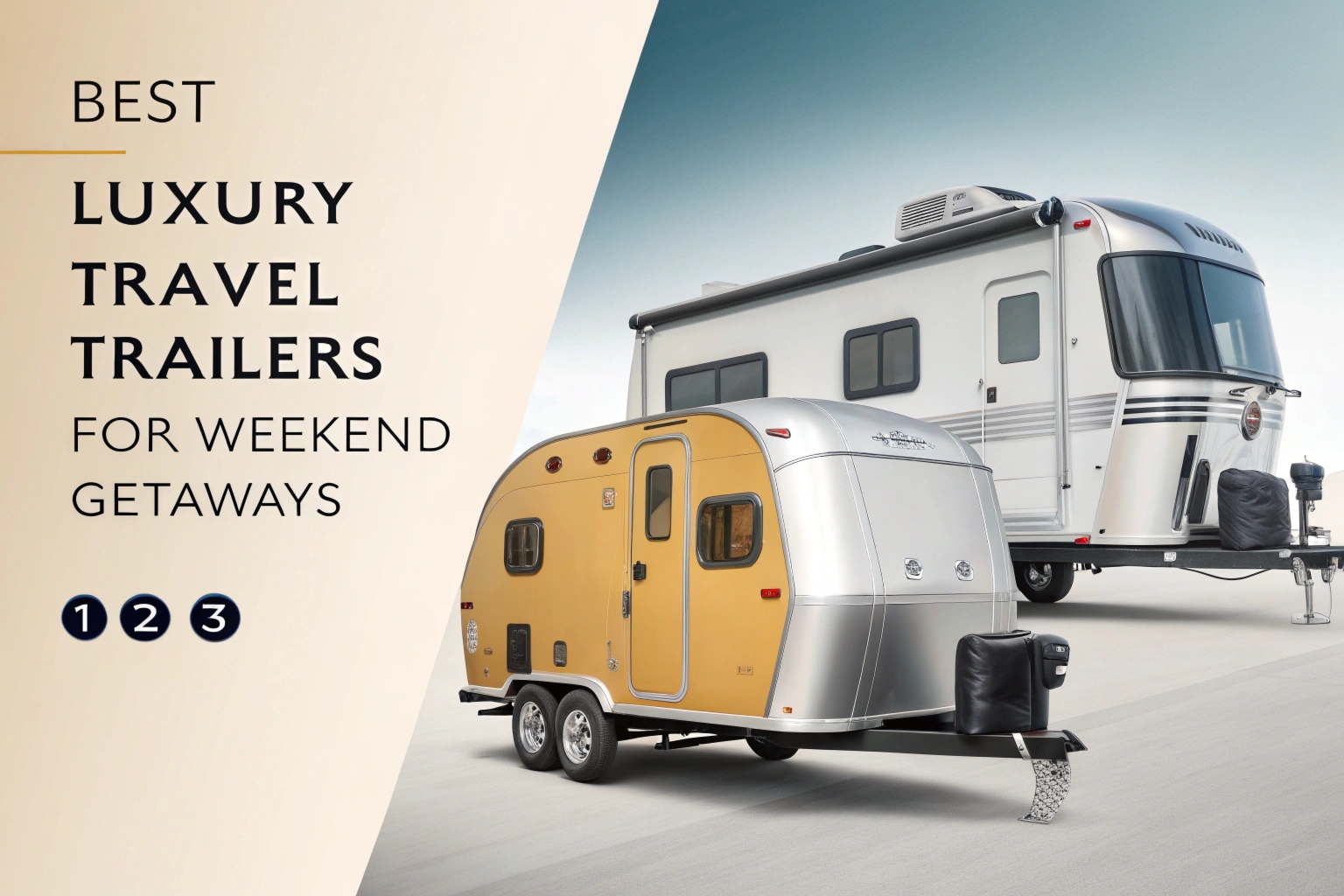
Are you ready to find the perfect luxury travel trailer that makes every weekend feel like a mini-vacation?
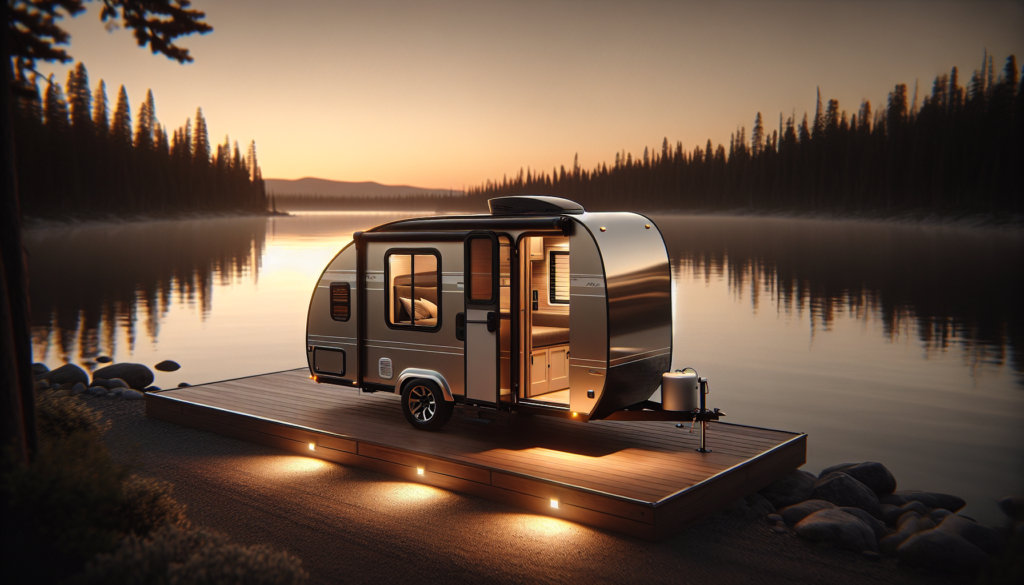
The Best Luxury Travel Trailers For Weekend Getaways
If you want comfort, convenience, and style without committing to a full-size motorhome, a luxury travel trailer can be the perfect choice. You’ll get high-end finishes, reliable systems, and layouts designed for both relaxation and quick getaways. This guide walks you through top models, how to choose one, towing and maintenance tips, and what to pack for a seamless weekend.
Why choose a luxury travel trailer for weekend getaways?
You want a weekend that feels like a retreat, not a chore. Luxury travel trailers offer refined interiors, better insulation, quiet rides, and amenities that rival boutique hotel rooms. They often provide a strong resale value and a sense of pride in ownership, making them worth the investment for frequent weekenders.
Who benefits most from a luxury travel trailer?
If you prioritize comfort, love short trips, and value well-thought-out design, a luxury travel trailer is ideal. You’ll appreciate well-built cabinetry, premium mattresses, efficient kitchens, and thoughtful storage—so you spend less time fussing with logistics and more time relaxing.
Key factors to consider before you buy
Choosing the right trailer requires balancing features, towing capability, and budget. Consider these essentials to make a smart decision.
Towing capacity and vehicle compatibility
You must match trailer weight and hitch load to your tow vehicle. Trailer dry weight, GVWR (Gross Vehicle Weight Rating), and hitch weight matter. If you’re not certain, check your vehicle’s owner manual and consult a dealer or a certified mechanic before purchase.
Size and layout for weekend use
A layout that works well for weekends often includes a comfortable sleeping area, a compact but efficient kitchen, and a full or wet bath. Think about how many people you’ll host, whether you need a dedicated dining area, and if you want a separate lounge or convertible spaces for flexibility.
Build quality, insulation, and climate control
Look for construction methods that provide durable, quiet, and thermally efficient trailers. All-season insulation and robust HVAC options mean you can use your trailer in cooler or warmer conditions without discomfort.
Off-grid capability and power systems
Solar panels, lithium battery systems, and efficient refrigerators extend your time away from hookups. If you plan remote camping, prioritize energy-efficient appliances and sufficient battery storage.
Luxury amenities and finishes
Modern luxury trailers feature solid countertops, high-end upholstery, LED lighting, well-designed cabinetry, and premium mattresses. Decide which extras matter most—induction cooktops, residential refrigerators, heated floors, or washer/dryer setups.
Weight and towability
Lightweight luxury trailers allow you to use smaller tow vehicles. Fiberglass and composite construction often reduce weight while enhancing durability. Weight affects fuel economy, handling, and ease of hitching.
Resale value and brand reputation
Some brands hold value better due to craftsmanship and market demand. Consider long-term resale if you plan to upgrade or change trailers down the road.
Top luxury travel trailers ideal for weekend getaways
Below are well-regarded luxury travel trailers that fit weekend-focused lifestyles. Models cover a range of sizes and styles—from lightweight fiberglass to spacious, feature-rich units. Specs are approximate; verify exact numbers with manufacturers or dealers.
| Model | Approx. Length | Approx. Dry Weight | Sleeps | Price Range (new) | Best for |
|---|---|---|---|---|---|
| Airstream Flying Cloud | 23–30 ft | 4,500–6,800 lbs | 2–6 | $80,000–$130,000 | Classic luxury, all-purpose weekenders |
| Airstream Classic | 30–33 ft | 7,500–9,800 lbs | 2–4 | $150,000–$190,000 | High-end finishes, long-term comfort |
| Oliver Legacy Elite II | 21–24 ft | 4,800–6,000 lbs | 2–4 | $90,000–$140,000 | Handcrafted fiberglass, insulation |
| NuCamp TAB 400 | 16–21 ft | 2,800–3,600 lbs | 2–4 | $35,000–$55,000 | Lightweight retro luxury |
| Escape 19 / 21 (Escape Trailer) | 19–21 ft | 2,700–3,500 lbs | 2–4 | $50,000–$70,000 | Fiberglass economy luxury |
| Scamp 19/23 | 19–23 ft | 1,900–3,200 lbs | 2–4 | $18,000–$40,000 | Simple fiberglass, customizable |
| Casita Liberty Deluxe | 17–21 ft | 2,000–3,000 lbs | 2–4 | $20,000–$40,000 | Compact, durable, budget-luxury |
| Taxa Mantis / TigerMoth | 13–17 ft | 1,500–2,800 lbs | 2–4 | $30,000–$60,000 | Adventure-focused with smart interiors |
| Lance 1995 / 1985 | 19–24 ft | 3,800–4,600 lbs | 2–4 | $50,000–$70,000 | Lightweight, thoughtful amenities |
| Grand Design Imagine / Reflection (smaller floorplans) | 20–26 ft | 4,500–6,000 lbs | 2–6 | $45,000–$80,000 | Wide range of luxury options |
Note: Prices and weights vary with options and model years. Always confirm specifications and capabilities with an authorized dealer.
Airstream Flying Cloud — the all-round luxury icon
The Flying Cloud balances classic Airstream style with practical layouts. If you value iconic design, durable aluminum construction, and strong resale, this model may suit you.
- What you’ll like: High-quality finishes, ample storage, efficient kitchens, panoramic windows for natural light.
- Things to consider: Aluminum construction can be pricier to repair, and aerodynamic shape may reduce usable wall space for storage.
- Who it’s best for: Couples, small families, and anyone who values style with practical amenities.
Airstream Classic — premium long-weekend comfort
The Classic is Airstream’s top-tier model, built for long-term comfort even on short trips. It includes residential-style amenities and premium systems.
- What you’ll like: Spacious living areas, high-end materials, powerful HVAC systems, and premium appliances.
- Things to consider: Higher price and heavier weight require a robust tow vehicle.
- Who it’s best for: You want hotel-level comfort on the road and frequently spend weekends away in different climates.
Oliver Legacy Elite II — fiberglass craftsmanship and insulation
Oliver trailers are known for hand-laid fiberglass shells and excellent insulation. They are built for longevity and quiet towing.
- What you’ll like: Superior build quality, strong enclosure, and all-season use capability.
- Things to consider: Higher upfront cost and limited floorplan variety; the company’s production status has fluctuated in recent years—verify availability.
- Who it’s best for: Buyers who prize build integrity and thermal performance.
NuCamp TAB 400 — retro aesthetics with modern function
Tab trailers blend charming retro design with modern amenities. You’ll get a lightweight, attractive trailer with an efficient layout.
- What you’ll like: Lightweight and easy to tow, efficient use of space, cozy interiors.
- Things to consider: Smaller footprint means tighter storage and living space.
- Who it’s best for: Solo travelers or couples who want style and ease of towing.
Escape Trailer (19/21) — fiberglass quality, modern interiors
Escape trailers offer a strong fiberglass shell with modern layouts and efficient appliances. They’re built for extended usage while remaining compact.
- What you’ll like: Good insulation, smart storage, and practical kitchens.
- Things to consider: Limited dealer networks compared to larger manufacturers.
- Who it’s best for: Those who want a high-quality, compact trailer optimized for weekend comfort.
Scamp and Casita — minimal, durable, and practical
Scamp and Casita are classics for lightweight fiberglass trailers. They’re simple, durable, and easy to tow.
- What you’ll like: Low towing weights, simple maintenance, and customizable options.
- Things to consider: Less luxury than full-size models, but excellent value with smart upgrades.
- Who it’s best for: Minimalists or those on a tighter budget who still want quality construction.
Taxa Mantis and TigerMoth — adventurous luxury
Taxa designs compact trailers with clever storage, rugged construction, and adventure-ready layouts. They often include unique options like rooftop decks or versatile interior modules.
- What you’ll like: Durable components, stylish interiors, and smart use of small space.
- Things to consider: Smaller living spaces prioritize efficiency over expansive comfort.
- Who it’s best for: Outdoor enthusiasts who want upscale functionality in a compact package.
Lance and Grand Design (smaller floorplans) — practical luxury
Lance and Grand Design offer well-built trailers with thoughtful amenities that don’t overwhelm weekend plans. Their smaller floorplans provide a balance between luxury and towability.
- What you’ll like: Solid construction, dealer support, and user-friendly features.
- Things to consider: Some floorplans may push weight limits of smaller vehicles.
- Who it’s best for: Buyers who want the convenience of a national dealer network with quality finishes.
How to choose the right floorplan for weekend getaways
Selecting the right floorplan affects comfort, storage, and social use. Here’s how to evaluate layouts to suit your weekend style.
Determine sleeping needs
Decide how many people will usually sleep in the trailer. If you frequently host friends, look for convertible dinettes or bunks. For solo or couple usage, a fixed queen or king bed provides more comfort.
Think about living and dining flexibility
For short trips, multi-use spaces reduce clutter. Look for slides or convertible furniture that maximize daytime lounging and nighttime sleeping without wasting space.
Kitchen size and cooking style
If you enjoy cooking on the road, prioritize counter space, a decent cooktop, and a residential-style refrigerator. If you plan to eat out often, a basic kitchenette with fridge and microwave may suffice.
Bathroom type: full bath, wet bath, or half bath?
Wet baths save space by integrating shower and toilet but can be less comfortable. Full baths offer separation and more convenience, which is useful for longer stays or when multiple people are sharing the trailer.
Storage strategies
Weekend trips often require less gear, but you still need accessible storage for clothes, food, and outdoor gear. Look for wardrobe space, exterior pass-through storage, and under-bed compartments.
Outdoor living features
A good awning, exterior speakers, and outdoor kitchen setups can expand your living area. If you value alfresco downtime, prioritize models with thoughtful outdoor amenities.
Towing, hitching, and safety basics
You’ll have a safer and more enjoyable weekend getaway if you manage towing and towing-related safety correctly.
Matching your vehicle to the trailer
Verify that your vehicle can handle the trailer’s GVWR and hitch weight. Don’t rely solely on the trailer’s dry weight; fully loaded weight can increase significantly.
Brake systems and sway control
Most heavier trailers require electric or hydraulic brakes. Add sway control and a weight distribution hitch for larger trailers to improve stability and handling.
Mirrors and visibility
Extendable towing mirrors increase your field of view and reduce blind spots. Check visibility during daylight and nighttime conditions before heading out.
Tire checks and maintenance
Before each trip, inspect tires for proper pressure and tread depth. Trailer tires age even if mileage is low; follow manufacturer recommendations for replacement intervals.
Loading and weight distribution
Place heavy items over the axles and secure loose items. Maintain the recommended tongue weight—too light or too heavy can create unstable towing.
Power, water, and off-grid considerations for weekend use
Short trips may not require elaborate off-grid systems, but they can greatly increase flexibility and comfort.
Solar + battery basics
A modest solar setup paired with lithium or AGM batteries can power lights, a water pump, and small appliances for a weekend. Consider at least 200–400 Ah of battery capacity if you plan to boondock regularly.
Generators vs. battery inverter systems
A small inverter and batteries provide silent power for overnight use; a portable generator adds the ability to run air conditioning or power tools. Choose based on how remote your destinations are and how much AC load you expect.
Propane systems and appliances
Propane runs refrigerators, furnaces, and cooktops on many trailers. Check tank capacity and how many days of use you can expect between refills.
Freshwater and gray/black tank sizing
Weekend-only usage often allows for smaller tank sizes, but if you plan multiple back-to-back weekends without hookups, larger tanks reduce refill frequency.
Maintenance tasks to keep your trailer weekend-ready
Routine maintenance keeps your trailer reliable and ready for spontaneous escapes.
Seasonal and pre-trip checks
Before each season and several times annually, inspect seals, roof seams, and exterior components for leaks or damage. Test all systems: lights, brakes, appliances, and HVAC.
Roof and seal maintenance
Check the roof for cracks or soft spots. Reseal vents and edges annually or as needed to prevent water intrusion.
Battery care and winter storage
If you store the trailer in winter, maintain batteries at the right charge level and store them in a climate-appropriate environment. Check antifreeze and winterize plumbing if temperatures drop below freezing.
Brake and tire service
Have brakes inspected periodically and tires rotated or replaced per manufacturer recommendations. Replace tires that show weather cracking or are over six years old regardless of tread.
Upgrades and accessories that enhance weekend comfort
Smart upgrades can transform a trailer into a luxury weekend refuge.
Mattress upgrades and bedding
Swap stock mattresses for high-quality memory foam or hybrid options. Invest in breathable linens and a mattress topper for extra comfort.
Solar and battery expansion
Even small solar arrays add convenience. Couple them with a lithium battery system to support quiet hours at night and a small inverter for charging devices.
Awning, exterior lighting, and outdoor kitchen
A powered awning adds immediate outdoor living space. Add motion lights, ambient string lights, and an efficient exterior kitchen to enhance evenings.
Smart devices and security
Remote monitoring systems for battery level and tank sensors help you manage resources. A basic security camera or alarm provides peace of mind.
Climate control enhancements
Window covers, heated mattress pads, and portable dehumidifiers extend comfort across seasons. For cold climates, consider upgraded furnace blowers or electric heaters.
Weekend packing checklist for luxury comfort
Whether you’re gone one night or three, packing thoughtfully helps keep things relaxed and tidy.
- Bedding set (sheets, duvet or comforter, pillows)
- Kitchen basics (pots/pans, utensils, cutting board, can opener, dish soap)
- Reusable plates, cups, and cutlery
- Coffee maker or French press
- Towels and washcloths
- Personal toiletries and first aid kit
- Folding chairs and small outdoor table
- Leveling blocks and wheel chocks
- Flashlights and spare batteries
- Portable grill or outdoor cooking gear
- Tool kit with basic wrenches, pliers, and tire pressure gauge
- Extension cord and adapter for hookup
- Water hose with pressure regulator and freshwater filters if desired
- Spare propane cylinder and fittings
- Trash bags and small storage containers
- Weather-appropriate clothing and rain gear
Budgeting and finance tips
You’ll want a realistic budget to avoid surprises and maximize value.
Total cost of ownership
Factor insurance, maintenance, propane, campground fees, and storage. These often make up a substantial portion of annual ownership costs in addition to financing.
Financing and insurance
Shop competitive loan rates and choose lenders familiar with RV products. Compare insurance options tailored to trailers, including comprehensive and roadside assistance.
Resale considerations
Opt for brands and finishes that hold value. Maintain service records, keep the interior clean, and address repairs promptly to preserve resale value.
Legal and campground considerations
Understanding rules keeps your weekend trips stress-free and legally sound.
Registration and licensing
Trailers require registration and may need special plate types in some states. Verify requirements where you live and when traveling.
Campground rules and reservations
Many popular spots fill quickly on weekends. Book in advance and check size restrictions, hookup types, and pet rules before you go.
Weight limits and local laws
Some roads and bridges have weight restrictions. Plan routes for larger trailers and verify local towing laws for speed limits and recommended driving practices.
Real-world buying tips and dealer interactions
Finding the right trailer often hinges on practical research and a good relationship with a dealer.
Request a walk-through and test tow
Ask for a detailed walk-through of systems and take the trailer on a test tow. Feel how it handles when hitched to your tow vehicle.
Ask about warranties and service plans
Get paperwork on all warranties and inquire about available service packages. Some manufacturers or dealers offer extended warranties or maintenance plans.
Negotiate on options rather than price
Dealers often have fixed MSRP but flexibility on added options or dealer-installed packages. Consider negotiating on added accessories, extended warranties, or service credits.
Pros and cons summary to help you decide
A quick, honest look at the trade-offs will help you narrow options.
Pros of luxury weekend travel trailers
- Comfortable, hotel-like interiors for short stays
- Faster setup compared to motorhomes (spin-off trailers once parked)
- Better resale and brand prestige with certain models
- Flexibility to unhook your tow vehicle and use it locally
- Easier storage and maintenance compared to larger motorhomes
Cons of luxury weekend travel trailers
- Higher initial cost for premium models
- Tow vehicle requirements for heavier trailers
- Potential complexity of systems (more to maintain)
- Limited mobility when set up in camp vs. small towables that you can unhook
Final recommendations — matching trailers to weekend styles
Here’s a quick pairing to help you match trailer type to your weekend preferences.
- You want iconic style and all-around luxury: Airstream Flying Cloud or Classic.
- You prefer handcrafted fiberglass and long-term durability: Oliver Legacy Elite II.
- You want compact charm with modern amenities: NuCamp TAB or Taxa TigerMoth.
- You need lightweight, practical luxury with a national dealer network: Lance or Grand Design smaller floorplans.
- You want simple, durable, cost-effective fiberglass: Scamp or Casita.
Making the first weekend trip unforgettable
Plan a short test run close to home to learn setup, towing, and system management without the pressure of a long trip. Bring a short checklist for arrival tasks (leveling, hookup, system checks), and leave some time for relaxation so you start the right way.
Arrival checklist (first 30 minutes)
- Park on level ground; use leveling blocks
- Chock wheels and engage emergency brake on tow vehicle (if parked)
- Connect shore power if available and plug in battery charger
- Open propane and check appliances
- Walk through interior systems (water pump, lights, vents)
- Set up awning and outdoor seating
Conclusion
You’re poised to transform your weekends into luxurious mini-retreats with the right travel trailer. Focus on matching towability to your vehicle, choosing a floorplan that supports how you spend time, and picking build quality and amenities that suit your comfort needs. Whether you pick an iconic Airstream, a fiberglass Oliver, or a clever compact like a NuCamp TAB, the luxury trailer that fits your life will make every short trip feel restorative.
If you want, tell me your tow vehicle, budget, and how many people usually travel with you, and I’ll recommend 3–5 trailers that suit your exact needs.