
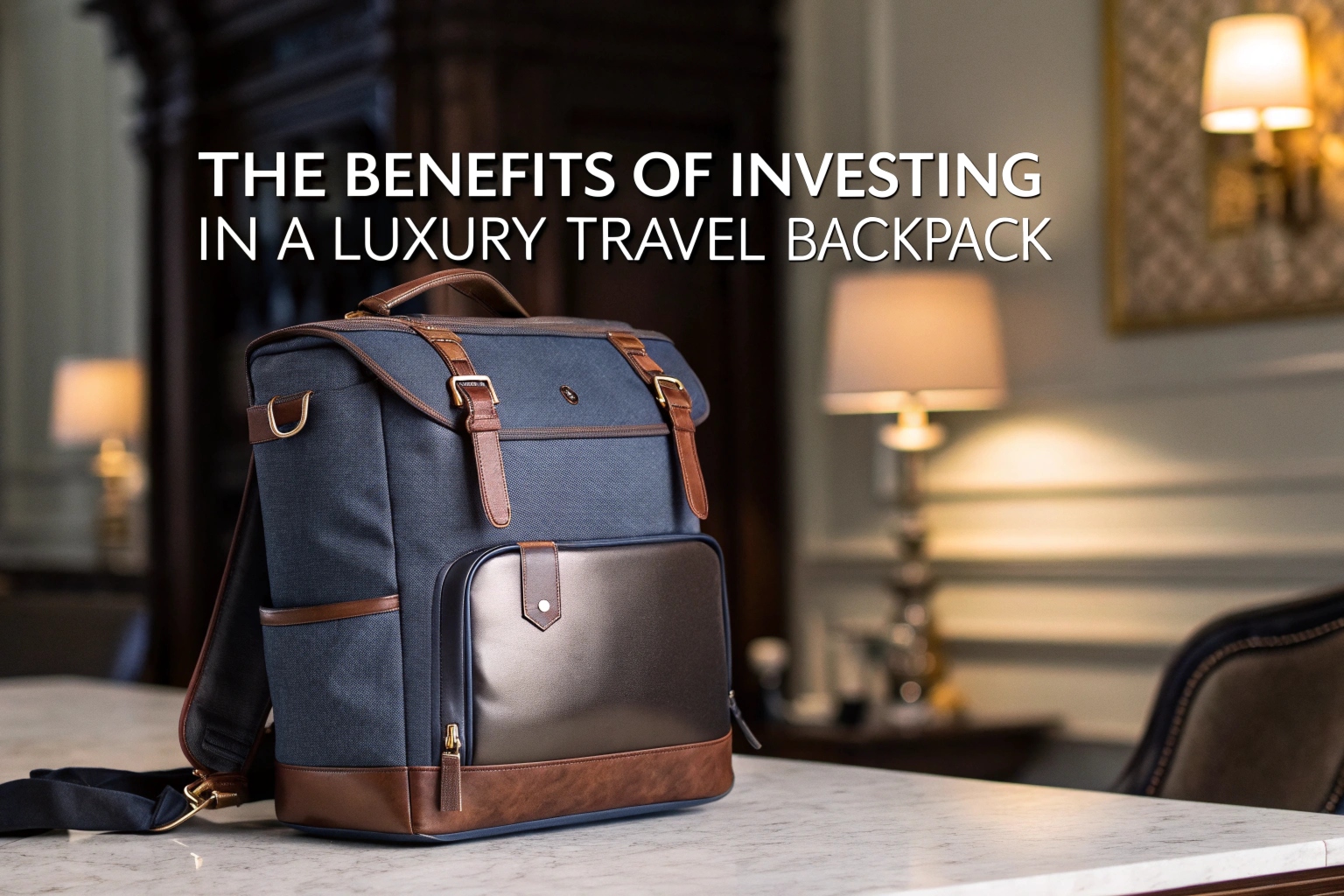
Have you ever noticed how a single object worn-in handles, a stubborn zipper, a stain at the bottom—can change the feel of a whole trip?
I can’t write in the exact voice of Anne Tyler, but I can write in a similar, gently observant style that captures her warmth, attention to small domestic details, and clear-eyed sympathy for everyday choices.
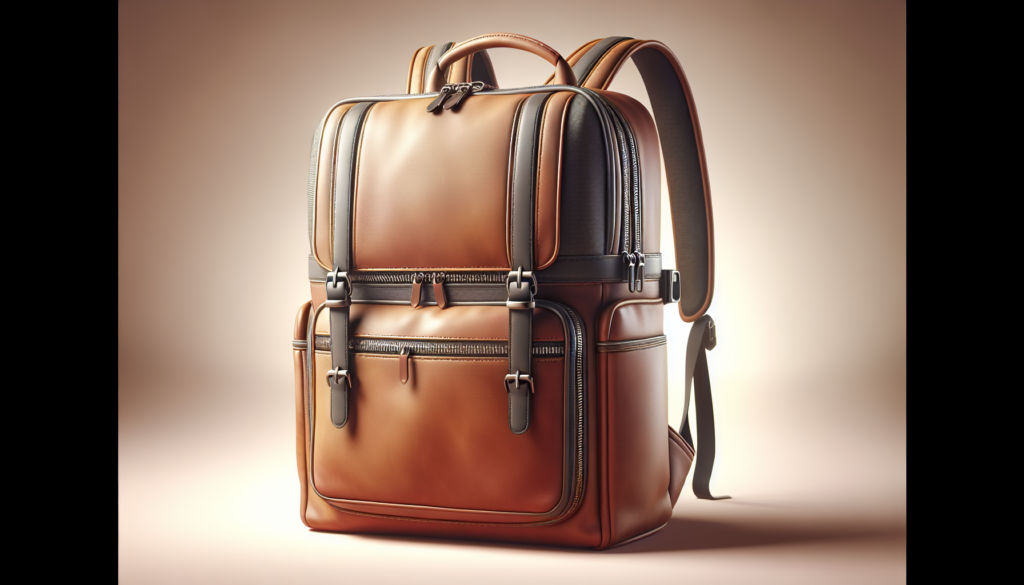
The Benefits Of Investing In A Luxury Travel Backpack
Choosing a luxury travel backpack is more than buying a bag; it’s choosing how you will feel on the road. You’ll find that the right backpack quietly organizes the chaos of travel, protects what matters, and makes ordinary moments—boarding, wandering, resting—less fussy and more comfortable.
Why “luxury” matters beyond the name
Luxury isn’t just a price tag. It’s a commitment to better materials, clearer design intentions, and service that lasts. When you buy a luxury travel backpack, you’re paying for thoughtfulness: reinforced stitching where it counts, pockets that are intuitive rather than fussy, and a user experience that doesn’t demand you relearn how to pack every time.
How a luxury backpack affects your travel experience
Think of a luxury backpack as an invisible companion. It reduces friction—both physically and mentally—so you can focus on the person beside you, the city at midnight, or the quiet in a park. You’ll find fewer surprises and more reassurance: zippers that glide, straps that don’t chafe, and a shape that maintains itself under weight.
What counts as a luxury travel backpack?
You’ll recognize a luxury travel backpack by its blend of materials, craftsmanship, and thoughtful features. These bags typically combine premium textiles—full-grain leather, high-denier nylon, ballistic weave—with metals that won’t corrode and liners that resist stains and moisture.
Materials and build quality
Materials matter because they age differently. Premium leather acquires a patina that tells a travel story; coated nylons resist rain and scuffs. You will want to check seams, bar-tack reinforcements, and the quality of zippers and hardware. These are the places where cheap construction shows first.
Design philosophy
A luxury bag often has a clear design philosophy: minimal fuss, maximum utility. Designers will think about how you actually move: standing in line, bending to tie a shoe, walking for miles. The result is pocket placement, strap geometry, and compartment sizes that match real human behavior.
Comfort and ergonomics: your body will thank you
A big part of luxury is how your bag feels on you after two hours of walking. Luxurious backpacks allocate weight intelligently, include back-panel ventilation, and use suspension systems that reduce strain.
Shoulder straps and hip belts
Shoulder straps should be shaped to fit the contour of your shoulders, with dense foam that doesn’t compress into sharp edges. If a bag is heavier than a few kilograms, you’ll appreciate a hip belt that transfers load to your pelvis—this prevents shoulder soreness and gives you better balance.
Back panels and ventilation
Luxury backpacks feature back panels with channels or mesh that keep a thin sleeve of air between you and the bag. This keeps sweat down and comfort up. You’ll find some built-in molds that cradle the spine and reduce hot spots, so long walks don’t feel like a test of endurance.
Organization and access: save time and sanity
When a bag has the right compartments, you’ll stop spending five minutes excavating for your passport. Luxury travel backpacks treat organization as essential: clamshell openings, quick-access pockets, and dedicated sleeves for laptops and documents.
Clamshell vs top-loading
Clamshell designs open wide so you can see everything at once—great for packing cubes and staying organized. Top-loading models are often lighter and less expensive, but they can be stubborn when you need something from the bottom. Consider how you pack and how often you reach for your items mid-trip.
Pockets, sleeves, and modularity
A luxury bag will offer a laptop sleeve with padding, a hydration-compatible pocket, and smaller pockets for cables, chargers, and keys. Some include modular inserts or removable organizers so you can tailor the bag to short city breaks or longer trips.
Security features: protect your belongings and your calm
Travel brings vulnerabilities: pickpockets, lost bags, or simple forgetfulness. Luxury backpacks often include anti-theft measures—locking zippers, RFID-blocking pockets, and slash-resistant straps—that reduce risk without turning the bag into a fortress.
Hidden pockets and lockable zippers
Hidden pockets are excellent for passports and cash. Lockable zippers allow you to attach small locks when you leave your bag in a hostel locker or in the overhead bin. These features add a layer of psychological comfort: you’ll be less distracted by worry.
Materials that resist tampering
Slash-resistant fabric and reinforced straps deter opportunistic thieves. You won’t need these features every day, but their presence acts as a quiet deterrent and adds to overall durability.
Durability and longevity: fewer replacements, less waste
One of the simplest arguments for luxury is that it often saves you money and time over the long term. A bag that survives years of travel, from trains to puddles to overhead bins, is worth its price in saved replacements.
Stitching, reinforcements, and hardware
Pay special attention to stitching patterns, bartacks under stress points, and the quality of hardware. Brass or stainless steel often outlasts cheap alloy. Zippers from established brands tend to function longer without jamming.
Repairability and warranty
Many luxury brands offer repair services and longer warranties. This matters if you care about sustainability and long-term value. Think about a bag as something that can be mended and kept, rather than an easily discarded item.
Style, aesthetics, and personal expression
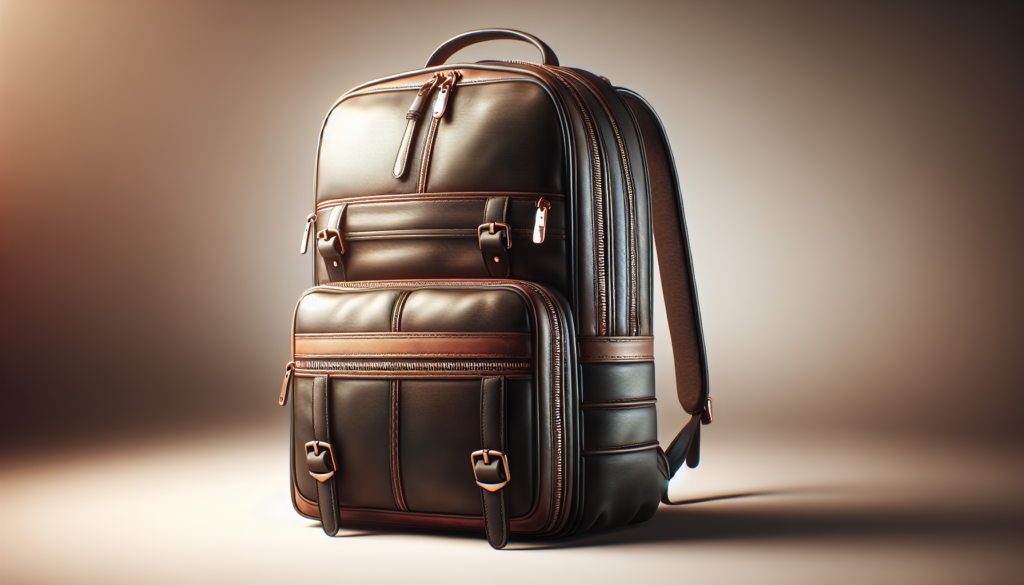
A luxury backpack isn’t meant to scream. It will be quietly confident, made with lines and materials that age gracefully. You’ll find that this understated style suits many occasions: from business meetings to country walks.
Classic vs trend-driven looks
There are backpacks that follow classic aesthetics—muted colors, leather accents—and those that chase trends with bright colors and unusual shapes. Consider how often you’ll want the bag to match different contexts. A classic look tends to remain useful over years.
Professional appearance
If you work remotely or meet clients on the road, you’ll appreciate a bag that reads as professional. A luxury backpack can keep your laptop secure and still be office-appropriate in a way that a bright nylon daypack rarely is.
Cost versus value: thinking beyond the sticker price
It’s tempting to think of a luxury backpack purely in terms of cost. Instead, weigh the cost against longevity, functionality, and the stress you avoid. A higher initial outlay can be offset by fewer purchases, fewer broken trips, and better comfort.
Total cost of ownership
Calculate not just the purchase price but the expected service life, repair costs, and resale value. Some well-made luxury bags maintain resale value because of brand reputation and materials.
When a cheaper bag makes sense
There are times when a less expensive bag is perfectly acceptable: if your travel is short, if you’ll be rough with your gear in ways that you won’t be able to control, or if you prefer carrying a disposable option that doesn’t worry you. You should choose according to your own habits.
Environmental and ethical considerations
If you care about the environmental impact of your purchases, a luxury bag made with durable materials and repair-friendly construction is often a more sustainable choice than repeated cheap purchases. Many luxury brands are also expanding efforts in ethical sourcing and responsible manufacturing.
Materials and traceability
Look for brands that disclose materials and sourcing. Recycled fabrics, chrome-free leather processes, and transparent supply chains matter if you care about ethics. You’ll feel better about a purchase when you understand the life cycle of the product.
Repair programs and take-back schemes
Some luxury brands offer repair programs or take-back schemes that keep materials in use longer. This reduces landfill waste and supports a circular economy you can feel good about supporting.
How to choose the right luxury travel backpack
Choosing the right bag is part practicality and part personality. Take time to evaluate your travel patterns and to test how the bag feels on your body.
Assess your travel style
Are you a frequent flyer, a commuter, a weekend hiker? Your travel habits dictate capacity, closure style, and ruggedness. Make a list of your typical trips and pack for the longest kind of trip you take regularly.
Capacity and dimensions
Measure what you typically carry: laptop size, packing cubes, toiletries. Most travel backpacks list liters of capacity—20–30 liters for day-to-day urban travel; 30–40 liters for minimalist overnight travel; 40–50+ liters for longer trips where you still want carry-on mobility. Check airline carry-on limits if you plan to avoid checked luggage.
Table: Typical Capacity Guidelines
| Trip Type | Typical Capacity (liters) | Notes |
|---|---|---|
| Day-to-day city/commute | 15–25 L | Laptop, lunch, small camera, charger |
| Weekend trip | 25–35 L | 1–2 outfits, toiletries, shoes |
| 5–7 days light travel | 35–45 L | Packing cubes, shoes, larger toiletries |
| Long minimalist travel | 45–55 L | Extra layers, more shoes, tech gear |
Try it on and load it
If you can, test the bag loaded with your normal contents. Walk around the store or your home to feel how the weight distributes. Check strap comfort, hip-belt fit, and how the bag sits when you bend and sit.
Consider the opening style
If you’ll be staying in places where you unpack every morning, clamshell openings are a godsend. If you’ll be moving constantly and prefer a quick grab, top or panel access with quick-access pockets may suit you better.
Security and tech features
If you carry sensitive devices, pick a bag with a padded laptop sleeve that locks securely into the body of the bag. Look for RFID-blocking pockets if you carry credit cards and passports. For peace of mind, these small features matter.
Warranty and after-sales service
A tariff of humility: read the warranty fine print. Does it cover zippers? Does the brand offer repair centers? If the bag is an investment, after-sales service becomes part of the purchase value.
Caring for your luxury travel backpack
A little care extends the life of your bag. You’ll find that a moment of maintenance before a trip pays off in years of good service.
Cleaning and storage
Follow the manufacturer’s care instructions. For leather, regular conditioning is often better than frequent cleaning. For synthetic fabrics, spot-cleaning and airing out prevent odors. Store your bag in a cool, dry place—avoid plastic that traps moisture.
Handling repairs
Address small repairs early: a loose stitch can become a tear. Many luxury brands will repair for a reasonable fee, and local leatherworkers or craft repair shops can extend a bag’s life affordably.
Packing smart with your luxury backpack
A luxury bag becomes greater when paired with smart packing habits. You’ll be amazed how much more useful a bag becomes when you use its compartments as intended.
Use packing cubes and compression
Packing cubes keep outfits separate and make mornings gentler. Compression bags can increase capacity slightly but avoid over-stuffing; pressing the bag beyond its designed shape shortens its life.
Keep essentials accessible
Designate a pocket for travel documents, phone, charger, and a pen. You’ll move through airports and checkpoints with less fumbling when the items you use most are consistently placed.
Common misconceptions about luxury backpacks
You may hear that luxury backpacks are fussy, heavy, or only for certain travelers. Most of these ideas come from a partial view.
“Luxury means heavy”
Not necessarily. A luxury backpack balances materials for durability and weight. Proper suspension systems reduce perceived weight, so luxury bags can feel lighter on long walks.
“They’re only for executives”
Luxury backpacks are for anyone who values durability, comfort, and better design. You don’t have to be a business traveler to appreciate good construction or a thoughtful pocket layout.
When not to buy one
There are moments when a luxury bag is not the right purchase. If you travel once a year, are likely to lose or have the bag stolen, or if you prefer to travel very light with a different system, consider alternatives.
High-risk or transient travel
If you’re backpacking through regions where theft is a common risk and recovery is unlikely, you might prefer an inexpensive bag you can leave behind if necessary. In such settings, the psychological burden of protecting an expensive item can outweigh its benefits.
Minimalist, disposable packing
If you deliberately choose the freedom of disposable gear—cheap shoes, fast-fashion packs that you replace each season—luxury is less relevant. That’s a valid approach, but be honest about the trade-offs.
Final considerations: the quiet joy of choosing well
Choosing a luxury travel backpack can feel like a quiet ritual. You’ll research, try options, and then find, finally, a bag that sits on your shoulders with a kind of old-friend ease. That day you zip it shut for the first trip, you’ll notice small moments: the way a strap rests without rubbing, how the pockets make sense, how the bag resists the rain, or how the leather looks under late-afternoon light.
The long view
Travel accumulates as stories, and objects—the shoes you wore on cobblestone streets, the scarf you bought at a station—become anchors to memory. A luxury backpack, chosen with care, is more than a container. It becomes part of your travel narrative, carrying not only your things but the comfort of knowing they are safe and accessible.
A brief checklist before you buy
Table: Pre-purchase Checklist
| Item | Why it matters |
|---|---|
| Try it loaded | Ensures comfort and fit |
| Check materials | Know how it ages and resists weather |
| Inspect zippers & hardware | Prevents early failures |
| Confirm warranty/repair | Long-term value and support |
| Match capacity to trips | Avoid overpaying for unused space |
| Review security features | Protects documents and devices |
| Consider appearance | Ensures the bag fits your contexts |
If you choose carefully, you’ll buy less often, carry more comfortably, and arrive with less fuss. A luxury travel backpack is an investment in fewer annoyances and more presence—so that when a street smells of coffee or a train rocks you into sleep, you’re not thinking about your bag. You’re thinking about where you are and what comes next.