
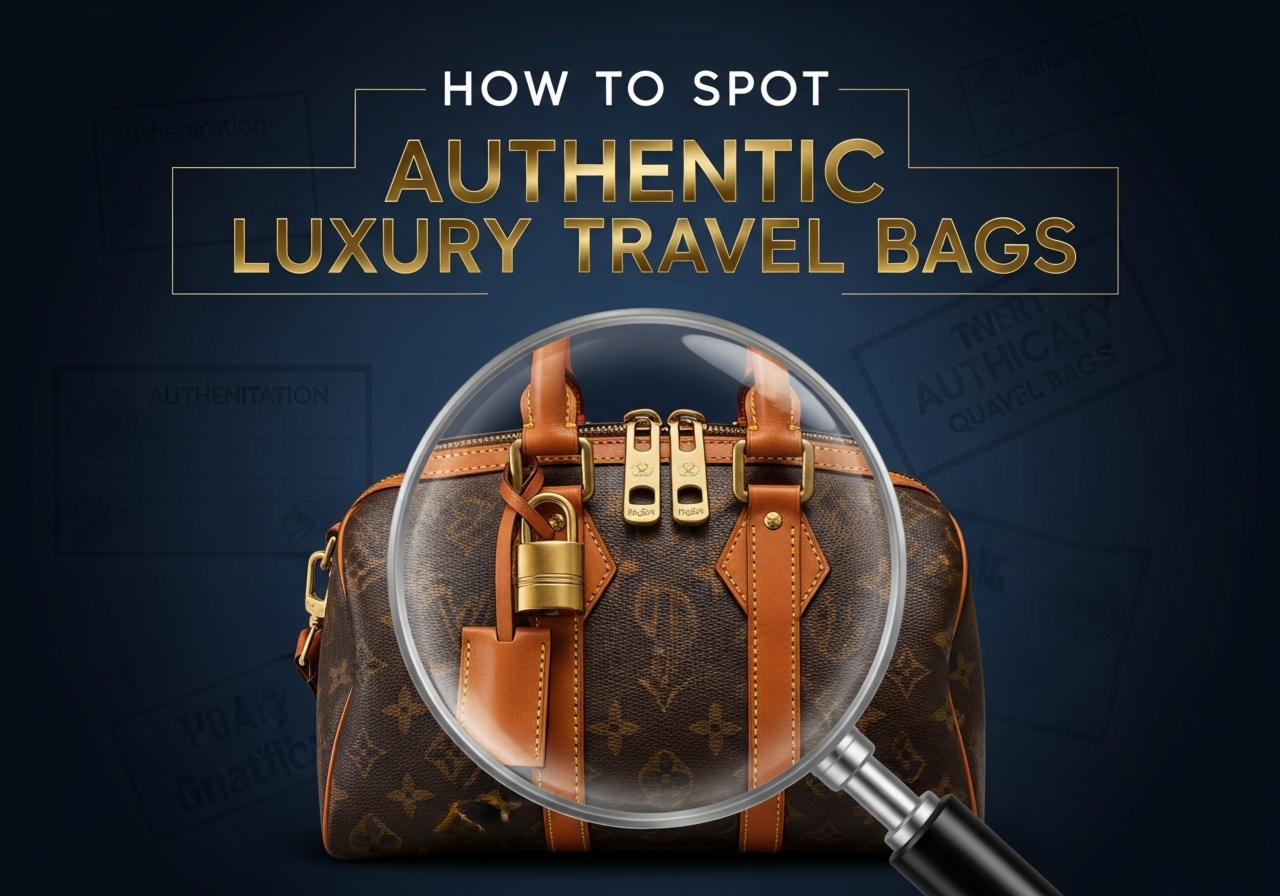
Have you ever held a travel bag in your hands and felt a tug of unease, wondering if what you’ve found is the real thing or a very persuasive mimic?
How To Spot Authentic Luxury Travel Bags
You will find that looking for authenticity is less like solving a riddle and more like listening to a person tell a story. Each luxury travel bag bears a history in its stitch, its hardware, the way leather breathes, and the exact rhythm of its zip. If you pay attention, the bag will offer cues — some loud, some discreet.
Why authenticity matters
Authenticity matters because it shapes expectations about quality, longevity, and value. If you own an authentic luxury travel bag, you’re holding something designed to withstand motion, humidity, and the small cruelties of travel; if you buy a fake, you may get a handsome object that fails you quickly.
You also buy more than material: you buy craft, provenance, and a market value that can be retained and sometimes increased. Paying attention will save you money, time, and a pocketful of regret.
Start with common sense
Before you pry open seams or read microscopic stamps, trust the practical things: the price, the seller, the context. If a barely worn, current-season Keepall is being sold at one-fifth of retail by a private seller with no receipts, you have permission to be suspicious.
You are allowed to walk away from an offer that makes your eyebrows go up. Often, that reflex is the best authentication tool.
Know the brand signatures
Every brand speaks its own visual language. If you study that language for a few minutes, you’ll spot discordant phrases quickly.
- Louis Vuitton favors coated monogram canvas with untreated vachetta leather that darkens with age. Pattern alignment, alignment across seams, heat stamps, and date codes have been used historically.
- Hermès relies on unhurried hand-stitching, blind stamps (letters, shapes), and a quiet absence of flashy logos; authenticity is in the finishing and the exactness of the edges.
- Chanel uses quilting that must match across pockets and seams, hardware engravings, a serial hologram sticker inside the bag, and a matching authenticity card for many models.
- Goyard’s chevrons are hand-painted and slightly irregular in texture; perfect uniformity can be a sign of a machine-printed imitation.
- Bottega Veneta’s signature is the Intrecciato weave; if the weave looks glued or the edges are frayed, that’s a warning.
- Rimowa’s grooves and model plates are precise; aluminium shells will have neat rivets, stamped serials, and polished edges.
- Tumi uses ballistic nylon with a Tracer tag (a small, unique code) that can be registered; hardware and zips should feel robust.
A habit you’ll develop is to compare what’s in front of you with reliable references — official images, boutique displays, and reputable consignment inventories. Brand variations change with seasons, but the quality markers usually persist.
Table: Brand quick-check guide
| Brand | Signature elements to check | What might indicate a fake |
|---|---|---|
| Louis Vuitton | Monogram pattern alignment; vachetta patina; heat stamp; date code | Misaligned monogram; synthetic-feeling “leather”; odd date code format |
| Hermès | Blind stamp letter/shape; immaculate saddle stitching; burnished edges | Sloppy stitching; sticker authenticity card; incorrect stamp shape |
| Chanel | Quilting alignment; serial hologram sticker; matching authenticity card; CC hardware | Missing or mismatched sticker/card; quilting offsets |
| Goyard | Hand-painted chevrons; texture irregularities; internal “Goyard” stamp | Machine-printed canvas; perfect, repeated pattern |
| Bottega Veneta | Tight, consistent Intrecciato weave; seamless edges | Loose weave; visible glue; logo printed on the exterior |
| Rimowa | Model/serial plate; precise grooves; sturdy telescopic handle | Misaligned grooves; flimsy handle; cheap wheels |
| Tumi | Tracer tag; ballistic nylon feel; rugged hardware | Missing tracer; cheap fabric or fraying |
Materials and workmanship: what you should feel and see
Materials are the first, and often the most honest, language a bag uses. Luxury travel bags are composed of layered decisions: hide, canvas, lining, thread, and metal. Each choice should feel purposeful.
Touch every surface. Leather should respond with a quiet suppleness; coated canvas should creak the way an old book does when you open it. Hardware should have weight and a coolness that plastic can’t pretend. Stitching should be regular and tight, without loose threads. When seams meet, motifs and patterns often align; that alignment is not accidental for many high houses.
The sight of sloppy glue oozing out of hems or uneven edge paint is telling. Those small shortcuts are common in counterfeits, because they’re cheaper to make and faster to produce.
Stitching: the silent signature
Stitching reveals more than looks. Count stitches per inch where possible; luxury ateliers tend to have a consistent range for their warm-weather and travel leathers. The stitches are often slightly angled and even in length. Backstitching at ends should be neat, not bulky. You will notice a certain rhythm — a handed-down technique — in genuine items.
When you’re examining a bag, pick a seam and watch the sequence: even tension, no puckering, and symmetry mean steadier hands and more time spent at the bench.
Edge finishing and painting
Edges on a true luxury bag are burnished or painted with precision. If you see fraying, careless brush strokes, or an edge that looks raw and unfinished, that bag has not been through the same craft standards. Polished edges are smooth to the touch and uniform in color — little things that reveal a lot.
Hardware and zippers: small things, heavy truths
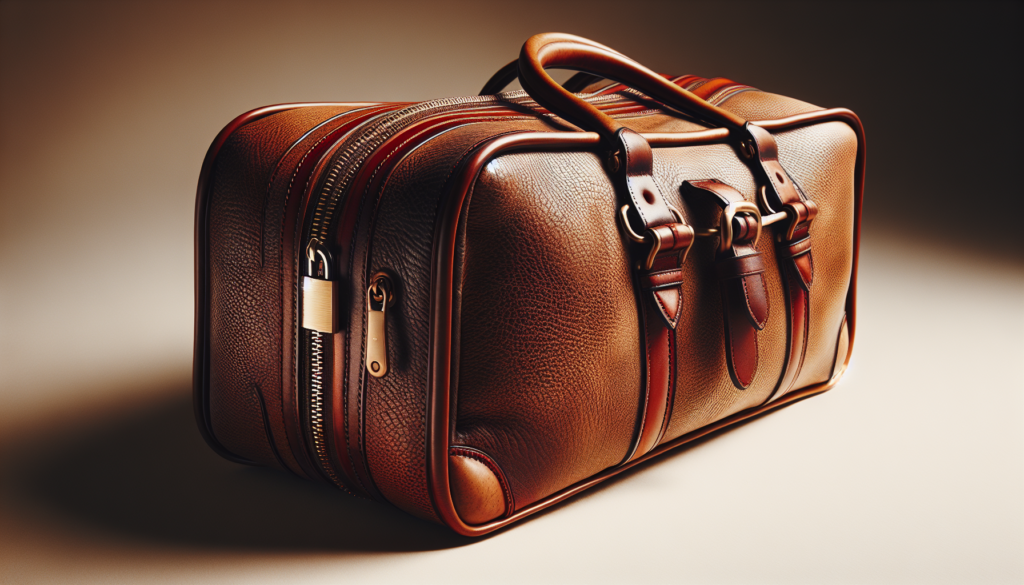
Hardware is where counterfeiters sometimes spend a lot of effort, but a trained touch tells them apart. Luxury hardware is solid, often brass plated, and engraved neatly. Check the weight and the movement: zips should run smoothly without catching; clasps should close with a purposeful snap.
Look for brand engravings — but remember that engraving alone can be faked. The font, placement, and depth of engraving matters. If a zipper pulls easily out of its track or a lock has a rough, gritty feel, it’s probably not original.
Many brands used reputable external zipper makers (RIRI, Lampo) historically, and those makers’ stamps can lend credibility. However, brands update suppliers; use that information as one piece of the puzzle, not the whole answer.
Logos, stamps and serial numbers
Logos and stamps are useful, but subtle changes through the years mean you must know the era of your bag. A serial number or date code is valuable only if it’s in the right format for the production year and if its location is correct for that model.
Some brands have observable signs:
- Chanel often has a hologram sticker inside the bag and a matching card (for certain years/models). The sticker’s style has evolved across decades.
- Hermès uses a blind stamp with a letter and occasional shape to indicate year; Hermès does not issue authenticity cards.
- Louis Vuitton historically used date codes in various formats; brands change systems, so a date code alone is not definitive.
- Goyard tends not to use serial numbers visible to the owner; its uniqueness is in its hand painting.
If you’re dealing online, ask for a clear photograph of any holograms, stamps, serials, and interior tags. Compare their style with trustworthy references.
Table: Where to look for the serials and stamps
| Brand | Typical location for serial/stamp | Notes |
|---|---|---|
| Louis Vuitton | Inside pocket, leather tag, or seam | Format varies by era; alignment and stamp font matter |
| Chanel | Inside flap or interior corner (hologram sticker) | Must match authenticity card when present |
| Hermès | Blind stamp inside pocket or under strap | No plastic cards; blind stamp is subtle |
| Gucci | Leather tag inside bag (rectangular) | Numeric sequence, often two rows |
| Goyard | Often no visible serial; artisanal marks | Hand-painted dots and internal marks are common |
| Rimowa | Metal model and serial plate on shell | Plate will include model name and serial |
| Tumi | Metal or sewn-in Tracer tag | Tracer code can be registered with Tumi |
Linings and interior details
The interior of a travel bag often shows the most honest side of manufacture. Linings in luxury travel bags are usually sturdy, well-fitted, and of materials that suit travel: alcantara, fine canvas, microfiber, or wool blends. Look for neat edges where lining meets leather, for symmetrical pocket placement, and for consistent stitching through inner seams.
A cheap, thin, or ill-fitted lining is a major red flag. Also check interior hardware attachments: they should be reinforced, often with a hidden stitch or a rivet, not merely glued.
Packaging and paperwork
A box, dust bag, or original receipt won’t prove authenticity by itself, but their absence can make you ask questions. Luxury houses use specific dust bag fabrics, box colors, ribbons, and care booklets. The texture and printing quality of these items is part of the brand’s language.
Keep in mind: some vintage and boutique bags were never supplied with the same packaging; Hermès vintage pieces may arrive with different wrappings than modern ones. Authenticity is cumulative — good packaging helps, but it’s not proof on its own.
Price and the “too-good-to-be-true” rule
Price is the simplest authentication filter. If a current-season bag is listed at a fraction of its retail price, compare it with prices from reputable consignment shops and auctions. For older pieces, look at realized auction results and specialized resale platforms.
You should know that the most convincing fakes can still cost much less than retail, but the best authentic used items hold value. If you can afford to be patient, you will often find legitimately priced gems with documentation from trustworthy resellers.
Buying secondhand: where to trust and which questions to ask
Reputable consignment stores, brand boutiques that accept pre-owned pieces, and established online platforms are your best friends. Ask about guarantees, return policies, and whether an independent authentication was performed. If a seller claims their expert is right in the room but can’t show credentials or give you a certificate, be cautious.
When you message a seller, ask for:
- High-resolution photos of the entire bag and all hardware.
- Close-ups of logos, stamps, stitch work, and interior tags.
- Photographs of the bag serial number / date code.
- Clear images of edges and the underside.
- Proof of purchase if available (original receipt).
Trust platforms that offer in-house or third-party authentication certificates and buyer protection policies.
Authentication services and how to use them
There are professional authentication services that analyze photos or use microscopic imaging. Some use AI and microscopic texture analysis (Entrupy is a well-known example), while others rely on experienced human experts. These services can be helpful for online purchases far from your local market.
Understand the service limitations: they often charge per item, and results are only as good as the available reference material. Some brands are protective and will not provide official authentication outside their boutiques.
Common red flags to watch for
Certain signs repeat across counterfeit goods. If you notice several of these, it’s a strong indicator the bag is not authentic:
- Fonts that look “off” on heat stamps, or letters spaced unevenly.
- Misaligned monograms where a repeated pattern should center properly.
- Stitching that is irregular, loose, or with visible glue.
- Edge paint that is bubbled, flaking, or uneven.
- Hardware that is light, hollow-sounding, or easily scratched to reveal base metal.
- Linings that are cheap or miscut to fit.
- Tags or cards that use an incorrect logo, font, or printing quality.
- Packaging that feels flimsy or is printed on low-quality paper.
- Smell of paint thinner or chemical solvents; a genuine leather bag smells like leather and time.
If you see even a couple of these, ask more questions or walk away.
How to examine a bag in person: a step-by-step checklist
Face-to-face inspections are the best way to learn. Use a calm, organized approach and avoid handling a bag roughly. You are a careful visitor looking for evidence, not an impatient inspector trying to catch someone out.
- Feel the bag: check the weight and texture of leather or canvas.
- Open zippers: notice smoothness and any resistance.
- Inspect stitching: look for regularity and tension.
- Look at logo placements and heat stamps: compare with trusted images.
- Examine the hardware: engravings, weight, and functional smoothness.
- Check interior: linings, tags, and hidden signs like blind stamps.
- Smell gently: detect leather, adhesives, or chemical odors.
- Ask for paperwork: receipts, authentication certificates, and original tags.
Table: In-person inspection checklist
| Item | What to check | Pass / Fail |
|---|---|---|
| Exterior material | Texture, patina, pattern alignment | |
| Stitching | Evenness, backstitching, tension | |
| Hardware | Weight, markings, movement | |
| Zippers | Smooth operation, brand marks | |
| Heat stamp / logo | Font, placement, clarity | |
| Interior lining | Fit, pockets, tags | |
| Serial / date code | Location, format, clarity | |
| Packaging | Dust bag fabric, box quality | |
| Smell | Leather vs chemical odor |
Fill this checklist slowly; the slow observer sees more.
How to authenticate when buying online
You are two steps removed from your object, so reduce uncertainty with more data. Ask for live video if possible; a short clip of someone running the zipper or showing the inside can reveal more than photos. Require multiple high-resolution images from different angles, including macro shots.
Ask the seller to place the bag next to a dated item (newspaper, smartphone date, etc.) to prove photos are recent. Verify the seller’s identity on the marketplace — long histories and positive feedback matter. Use payment methods that offer buyer protection and consider third-party escrow for high-value purchases.
Get an independent authentication before committing funds. Services that analyze micro-photos can provide additional peace of mind.
Authentication technologies and their limits
Microscopic image analysis and AI-based services are useful, but not infallible. They often compare material textures, stitch patterns, and surface microstructures against large databases. They can spot printing inconsistencies and material anomalies invisible to the naked eye.
However, counterfeits evolve and databases must keep up. No service is 100% definitive; treat their reports as strong evidence, not the absolute word. When in doubt, combine technological authentication with human expert review.
What to do if you suspect a fake after purchase
If you suspect the bag you bought is fake, act methodically. Re-read the listing and seller’s terms. Contact the seller with specific, calm questions backed by evidence (photos, matched comparisons). Use the marketplace’s dispute or return process immediately and provide your authentication results.
If the seller refuses to cooperate, escalate to your payment provider or platform for buyer protection. Keep all correspondence and photographs. For very expensive items, consider legal advice; consumer fraud laws vary by jurisdiction but many places have strong protections against counterfeit sales.
Repair, restoration, and preserving value
Authentic luxury bags can often be restored; many houses and reputable repair shops offer services to maintain value. If you plan to travel with the bag, learn how to protect it: use dust bags, avoid overpacking, keep it away from direct sunlight and humidity, and store it stuffed with acid-free tissue.
If a bag is vintage, accept some patina as part of the charm. Too much “fixing” can reduce value; tasteful restoration that respects original finishes is usually better.
When boutiques and brands can help — and when they can’t
Some brands will authenticate items brought into their boutiques, but many will not offer official authentication for pre-owned goods. Hermès, for example, historically avoids certifying outside purchases. Chanel sometimes assists but may only confirm obvious signs.
If you intend to consult the brand, call ahead, explain what you need, and ask whether they offer pre-owned authentication. Don’t expect a purchased “certificate” from every house. Use brand help as one tool among many.
Negotiation and buying tips
If you’re comfortable negotiating, use your authentication observations as bargaining points. Point out small issues you found, but be polite and factual — sellers are human, and a friendly tone goes a long way. For in-person purchases, suggest an independent authentication before finalizing or ask for a short return period.
For online buys, ask the seller if they’d be willing to accept authentication results as part of the return policy. Reputable sellers often state flexibility if a recognized service proves a bag is inauthentic.
Legal and ethical considerations
Buying counterfeit goods supports illegal networks and harms craft communities. When shopping secondhand, you bear a responsibility to be careful. If you are confronted post-purchase with evidence that an item is counterfeit, returning it upfront is the ethical option.
Report listings of suspected counterfeit goods to marketplaces; many platforms have processes for removing such items and penalizing sellers.
Final thoughts and a gentle method
There is a small thrill in learning to tell the real from the fake, but the best way to approach authenticity is with patience and curiosity. Let the bag tell you what it is by how it reacts under your fingers: the calm of a good zipper, the hush of a well-stuffed lining, the deliberate weight of brass. Collect small facts and add them up. A genuine bag rarely needs to shout.
If you’re starting out, build a reference folder: clear photos of genuine items, notes on stamping fonts, and the names of trusted authentication services. Over time, your eye will become steadier. You’ll notice the way particular brands breathe in their own peculiar rhythm. When you learn that rhythm you will no longer be an anxious purchaser; you’ll be someone who listens well.
Above all, be kind to yourself in the process. Making mistakes teaches you what to look for next time. Trust your instincts, arm yourself with questions, and remember that a careful purchase is often a small domestic triumph — a tidy, consoling thing you’ll enjoy carrying down the terminal stairs on a good day.