
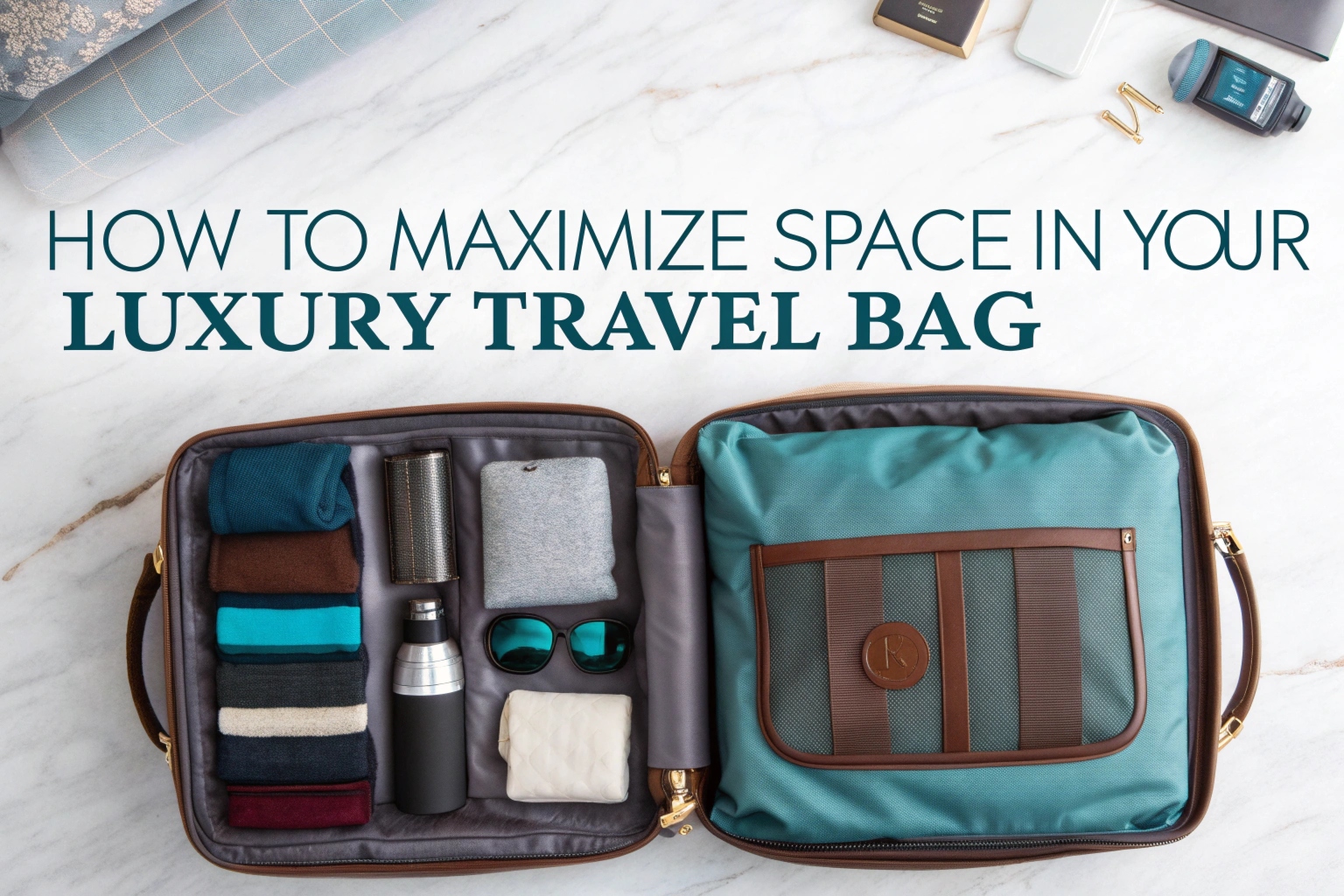
Have you ever stood in front of your luggage and wondered how someone else manages to fit so much without the result looking like a crumpled confession?
How To Maximize Space In Your Luxury Travel Bag
You buy something lovely, elegant, and perfectly made, and then you worry it will be wasted on bad packing. You’re not trying to be frugal with space for the sake of thrift; you want to keep the things that matter — silk blouses, cashmere sweaters, structured blazers — looking as calm and intact as they did when you first admired them in the boutique. This article is written with that small, stern affection you give your best things: practical, precise, and kind.
Begin with the Right Bag
Selecting the correct bag is an exercise in generosity toward yourself; it’s about giving your clothes and accessories the room they need to travel with dignity. Your luxury bag should be chosen not only for appearance but for internal layout, materials, and how it supports what you pack.
Consider Size and Compartments
Choose a size that matches your trip length and plans. A bag that is too large invites overpacking; a bag that’s too small forces you to fold and squeeze until garments protest.
- For weekend stays, a mid-size carry-on or duffel with structured compartments is ideal.
- For week-long trips, a carry-on-sized hard-shell or soft-sided roll with a gusseted main compartment will serve you well.
- Separate compartments protect shoes, toiletries, and delicate items, preventing them from rubbing against your evening wear.
Material and Structure Matter
Luxury materials like full-grain leather and durable canvas provide structure and longevity, but also add weight. Consider the balance between weight and protection.
- Hard-shell cases protect suiting and structured garments better but may lack flexibility.
- Soft-sided rolling luggage or a structured weekender bag often allows more tactical packing and easier slotting into overhead bins or trunks.
Weight Distribution and Handles
A bag that tips when fully loaded is discourteous to both you and the people who help you lift it into overhead compartments. Look for even weight distribution features like reinforced bottoms, well-placed handles, and smooth wheels.
Plan What You Really Need
Before you even open your closet, decide what this trip will require of you. A considered wardrobe reduces the load and increases the number of outfits you can assemble with grace.
Make a Purpose-Based Wardrobe
Make choices around your itinerary rather than ideals of possible mishaps. You are more likely to wear fewer, more meaningful pieces when each one answers a real need.
- List events by day and note dress codes.
- Anticipate weather using a reliable forecast the day before packing.
- Choose pieces that transition across contexts, like a blazer that works for daytime meetings and evening dinners.
Build a Mini Capsule Wardrobe
A capsule wardrobe is an excellent strategy for maximizing space in a luxury bag. It encourages you to select pieces that work together harmoniously.
- Limit your palette to three to four colors so everything mixes and matches.
- Include neutral foundation pieces (trousers, blouse, blazer) and one or two statement items to create interest.
- Pack layers rather than heavy single garments, letting you adapt without filling the bag.
Folding, Rolling, and Bundling: Choose the Right Technique
There are many methods of arranging clothing, each with different benefits. Choosing the wrong technique for your materials can turn crisp hems into permanent creases.
Rolling: Soft and Space-Savvy
Rolling is forgiving and excellent for casual fabrics like cotton and jersey. It reduces wrinkles and maximizes linear space.
- Roll shirts and knitwear tightly, smoothing creases as you go.
- Use a soft roll for silk and fragile fabrics — not tight enough to cause tension across the weave.
The Folder Method: For Suits and Evening Wear
Use flat folding or a garment folder for structured pieces. This method preserves silhouette and reduces the need for pressing.
- Fold along natural seams rather than forcing new creases.
- Insert tissue paper between folds to prevent friction and sheen marks on silk or satin.
Bundling: For Compact, Low-Wrinkle Packs
Bundling wraps smaller items around a central core, minimizing creases and creating an even surface.
- Place a smaller, soft core (a pouch or shoe bag) in the middle, and wrap shirts and trousers around it.
- It works well for medium-length trips when you want a low wrinkle count but no garment folder.
Table: When to Use Which Method
| Garment Type | Best Method | Why |
|---|---|---|
| Cotton T-shirts, knits | Rolling | Saves space, reduces wrinkles |
| Silk blouses, satin | Soft rolling or flat fold with tissue | Protects delicate fabric from friction |
| Suits, blazers | Flat fold or garment folder | Preserves structure and shoulders |
| Jeans, trousers | Roll or fold along crease | Durable fabric tolerates rolling |
| Dresses (formal) | Large flat fold with tissue | Minimizes creases on delicate fabrics |
Use Packing Aids Strategically
Packing aids are not just trendy accessories; they’re tools that save both space and sanity. Treat them as small servants: useful but unobtrusive.
Packing Cubes: Order in Miniature
Packing cubes compartmentalize your bag, giving you quick access to categories without disrupting everything else.
- Use different sized cubes for tops, bottoms, and undergarments.
- Color-code cubes by outfit or function to make mornings faster.
Compression Bags: Pros and Cons
Compression bags can dramatically reduce volume. Use them thoughtfully because some compression methods are too aggressive for luxury fabrics.
- Vacuum bags are excellent for bulky items like cashmere but may flatten knit texture.
- Roll-style compression bags are gentler; they squeeze air out by rolling rather than sucking it out.
Shoe Bags, Garment Bags, and Jewelry Cases
Protective pouches keep things from rubbing together and transfer of perfume or dust.
- Use shoe bags to separate soles from delicate garments.
- A slim garment bag for suits prevents shoulder mishaps when you must check a bag.
- A travel jewelry case with compartments avoids tangles and loss.
Protect Luxury Fabrics and Finishes
Luxury garments deserve small courtesies: tissue paper, modest extra room, and careful placement. These courtesies pay off in fewer returns to the hotel iron.
Silk, Satin, and Chiffon
These fabrics show creases easily and may suffer from friction.
- Layer tissue paper between garments to reduce surface friction.
- Pack these items flat in a top-level compartment to avoid being squashed.
Wool and Cashmere
These fibers are resilient but can be compressed carefully.
- Fold along natural lines and use breathable bags or cubes; avoid airtight vacuuming that could flatten the loft.
- For cashmere, don’t roll too tightly; rather, bundle loosely to retain softness.
Structured Jackets and Suits
Keep shoulders and silhouette in mind. The way you place a blazer in your bag should honor its architecture.
- Use a flat fold or lay the jacket over the top of other packed items to preserve shape.
- Consider a lightweight foldable hanger to hang the suit in the hotel upon arrival.
Optimize Footwear Packing
Shoes are the trickiest items because they’re non-negotiable in shape and relatively space-consuming. You’ll want to reconcile their needs with both cleanliness and form.
Choose Shoes Versatilely
Limit shoe choices to two or three well-considered pairs that cover walking, formal events, and occasional comfort.
- If you must pack bulky boots, wear them on travel days to conserve space.
- Choose heels with slim profiles and loafers that tuck easily into corners.
Use Shoe Trees and Stuffing
Maintain shoe shape and make use of internal space simultaneously.
- Insert collapsible shoe trees to preserve heels and avoid creases.
- Stuff shoes with socks, scarves, or small accessories to use interior space effectively without losing form.
Table: Shoe Priority and Packing Tips
| Trip Type | Shoe Pairing Priority | Packing Tip |
|---|---|---|
| Business | One pair dress shoes + one pair comfortable walking shoes | Wear the heavier pair while traveling |
| Urban leisure | Stylish sneakers + flats/loafers | Nest smaller items inside shoes |
| Formal event | Heels or dress shoes + backup flats | Protect soles with shoe bags |
Toiletries, Cosmetics, and Liquids
Liquid rules are a built-in constraint. Luxury travel doesn’t mean an indulgent overflow of full-sized bottles; it means careful selection and secure packing.
Choose Travel-Friendly Sizes
Transfer your favorite products into travel bottles or purchase travel-sized versions that maintain quality.
- Keep liquids in a clear, resealable bag for easy inspection at security checkpoints.
- For fragrance, decant a small atomizer for elegance without risk.
Organize by Frequency of Use
Place daily items in an easily reachable pocket or a top-of-bag toiletry pouch.
- Store evening skincare and treatments in a lower compartment or checked luggage.
- Use small containers for creams and serums, and label them to avoid confusion in dim hotel bathrooms.
Spill Prevention
Use plastic wraps between lids and tighten caps to avoid perfume leaks and lotion mishaps.
- Seal bottles in ziplock bags if you must pack them with delicate garments.
- Choose TSA-approved, leak-proof cosmetic cases for makeup.
Packing Electronics and Cords
Your electronic items are smaller than shoes but require even more deliberate organization because of the tangle factor and fragile nature.
Consolidate Chargers and Adaptors
Bring a single multi-port charger rather than several single chargers, and pack adaptors that fit your sub-region rather than a grab-bag of plugs.
- Use a cable organizer to keep cords from unspooling and tangling.
- Label chargers with tape if you travel with similar devices.
Protect Fragile Devices
Pad laptops and tablets with a slim padded sleeve and keep them near the top of your bag for easy removal at security.
- Put headphones and small items in dedicated pouches to avoid scratches.
- Consider a protective hard case for delicate cameras or lenses.
Smart Layering and Outfit Planning
Layering is not only about weather; it’s a space strategy. Thin layers take less room than single bulky items, and they let you change your look without extra pieces.
Pack Lightweight Over Heavy
A down vest or thin cashmere sweater takes less space and provides warmth comparable to a heavy coat. You can wear heavier items on the plane to save luggage space.
- Use breathable layers so you can adapt to hot or cold without changing the whole outfit.
- Choose fabrics that don’t wrinkle easily for outer layers you may wear on arrival.
Plan Outfits by Day, Not by Item
Wrap outfits together so that you can pull a single cube or pouch and find a complete set ready to wear.
- Pack shoes next to the outfit they complement to save morning time.
- If you change between daytime and evening styles, reserve one cube for evening essentials only.
Laundry and Wear Rotation
You’ll never need to double the number of garments if you have a plan for freshening what you bring.
Bring Laundry Essentials
A small packet of detergent, a sink stopper, and a travel clothesline let you launder strategically.
- Wash items like underwear, camisoles, and light tops overnight and they’ll be dry by morning in most climates.
- Choose quick-drying fabrics when traveling for longer trips to reduce the need for packing extras.
Wear Things More Than Once (Nice and Clean)
Many luxury fabrics improve with gentle repeated wearing when properly aired. Rotate garments to keep a fresh appearance.
- Use an evening airing ritual: hang clothes, use a portable steamer, and turn garments inside out if needed.
- Keep a small lint roller and stain remover pen handy to handle spots quickly.
Security, Insurance, and Care
You’re traveling with valuables. Protect them physically and administratively.
Insurance and Documentation
Insure high-value items, and keep photographs and receipts in a secure cloud folder.
- Register serial numbers for electronics and consider travel insurance that covers theft and loss.
- Keep copies of critical documents in encrypted storage.
In-Transit Care
Always carry jewelry, documents, and small electronics in your personal item, not in checked luggage.
- Use a discreet money belt or inside pocket for passports and important cards.
- If you must check designer garments, ask the airline about priority garment handling.
Tactical Tips at the Airport and During Transit
How you handle your bag during transit affects both space and the condition of what’s inside.
Carry-On and Gate Strategies
Gate checking sometimes saves you from checked bag fees and reduces the risk of crushing your bag by airport handlers.
- If your bag is at capacity, gate check it. If not, carry it on and claim control over your possessions.
- Use overhead bins efficiently: put heavier items on the bottom and flatter items on top.
Repack During Layovers
Layovers are excellent times to rebalance weight, remove items you no longer need, and reorganize for the next leg.
- Move things from checked luggage to carry-on if you’ll need them at destination.
- Take advantage of calmer moments to smooth garments and arrange cubes for the final segment.
Create a Personalized Packing System
The longer you travel, the more you’ll refine your method. A personalized system will save time and space because it reflects your habits and priorities.
Keep a Master Packing List
Maintain a digital master list that you adapt slightly for each trip rather than starting from scratch every time.
- Mark what was useful and what was not after each trip.
- Keep a “travel-ready” cube or set of clothes pre-packed for spontaneous travel.
Practice Makes Tidy
Bring your bag into the living room and pack for an imaginary trip. You’ll see the gaps and redundancies clearer in a domestic light.
- Time yourself the first few tries; you’ll get faster and more efficient.
- Notice the small habits that cause overflow and correct them (e.g., impulse packing of extra shoes).
Sample Packing Lists (Practical Templates)
Here are sample lists you can adapt for common trip lengths. They show the logic between necessity and luxury.
Two-Day City Trip (Minimalist Luxury)
- 1 blazer (neutral)
- 2 blouses or shirts
- 1 pair tailored trousers
- 1 pair evening-worthy shoes (wear heavier pair on plane)
- 1 casual shoe for walking
- Undergarments for two days + 1 extra
- Lightweight scarf and compact umbrella
- Toiletry kit, jewelry case, laptop or tablet
- Packing cube for outfits, shoe bag, small electronics pouch
Seven-Day Mixed Business and Leisure
- 1 suit (jacket + trousers or skirt)
- 2 blouses for meetings
- 2 casual tops
- 2 pairs trousers or one pair + one skirt/dress
- 1 evening dress
- 3 pairs shoes (dress shoes, comfortable walking shoes, evening sandals)
- Sweater or light coat
- Toiletries in travel sizes, small sewing kit, laundry essentials
- Packing cubes: tops, bottoms, undergarments; compression bag for bulky sweaters
- Jewelry case, shoe bags, cable organizer, multi-port charger
Final Thoughts: Travel with Intention
Maximizing space in your luxury travel bag is less about tricking physics than about making deliberate, small choices that protect what you value. You’ll find that when you plan deliberately, your bag becomes less a burden and more an extension of your life — tidy, efficient, and tasteful.
Occasionally, the most luxurious thing you can do for an object is to give it a little room to breathe. When you pack thoughtfully, you give your clothes and accessories the dignity they deserve. You will arrive with less fuss, fewer wrinkles, and the quiet satisfaction of someone who travels well and knows what matters.