
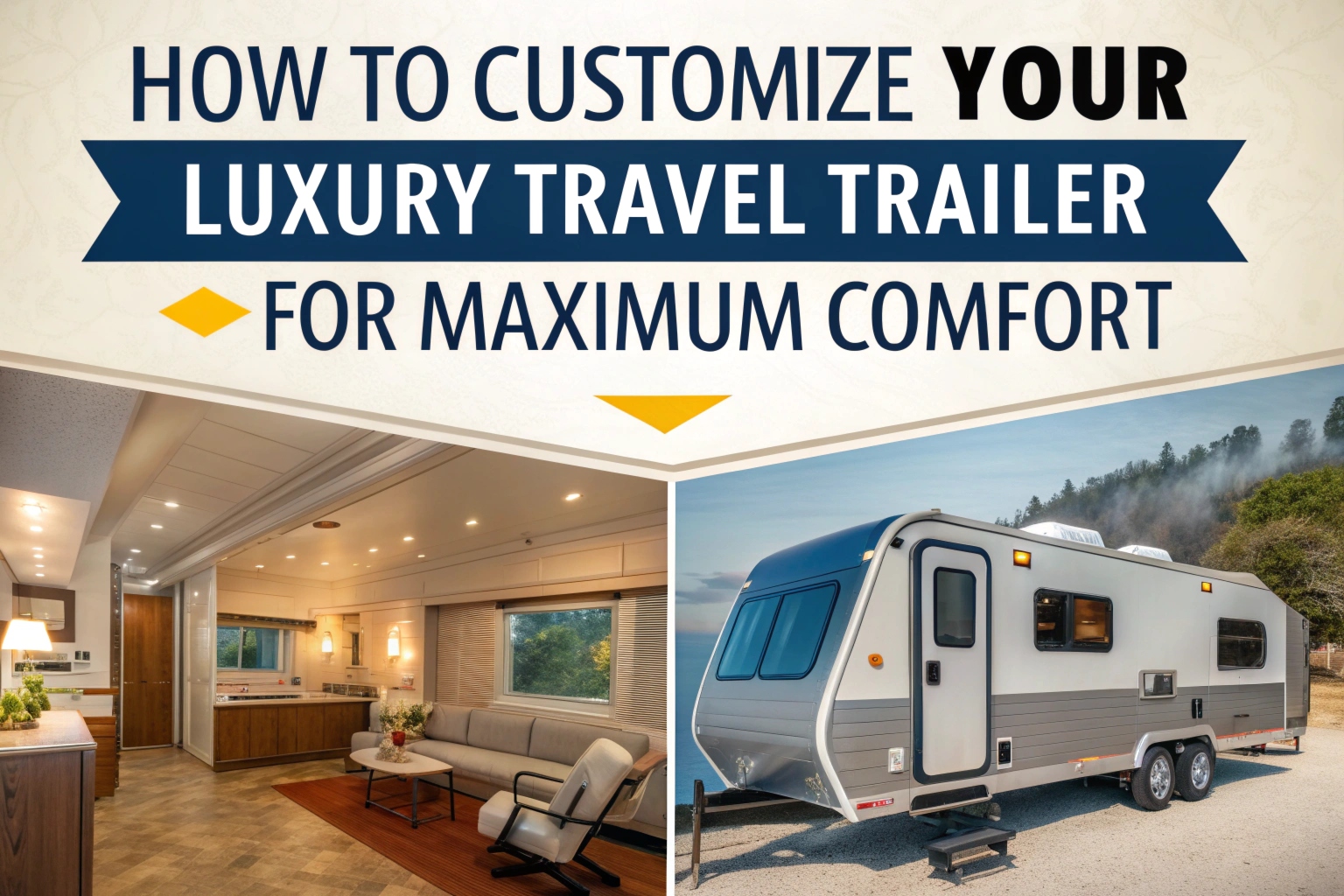
Have you ever imagined turning your luxury travel trailer into an oasis of comfort that feels like a five-star hotel on wheels?
How To Customize Your Luxury Travel Trailer For Maximum Comfort
Introduction
You’re about to learn how to transform your luxury travel trailer into a space that reflects your comfort priorities and travel lifestyle. This guide walks you through practical upgrades, smart design choices, and systems improvements so you can enjoy longer, more comfortable stays on the road.
Assess Your Needs and Space
Before you start buying upgrades, you’ll want to define how you use your trailer and what comfort means to you. Taking time to measure, plan, and prioritize will keep upgrades focused and cost-effective.
Define Your Comfort Priorities
Decide whether you want better sleep, quieter interiors, more reliable power, or a higher-end kitchen experience. By ranking priorities, you’ll make trade-offs that deliver the most comfort for your budget and space.
Measure and Map Your Layout
You should create a scaled floor plan with measurements of every cabinet, door, and usable wall. Knowing exact dimensions helps you pick mattresses, appliances, and furniture that fit without unnecessary modifications.
Weight and Balance Considerations
Always factor in weight distribution and gross vehicle weight rating (GVWR) before adding heavy items. You’ll want to keep your trailer stable on the road and avoid exceeding the manufacturer’s limits to ensure safety and preserve ride handling.
Insulation and Climate Control
Your comfort starts with the shell: good insulation and climate control systems keep interior temperatures stable and reduce energy costs. Upgrading insulation and HVAC components is one of the best ways to improve year-round comfort.
Insulation Materials Comparison
Choosing the right insulation depends on your budget, space, and climate. Below is a comparison that will help you pick wisely.
| Material | R-Value per inch | Pros | Cons |
|---|---|---|---|
| Closed-cell spray foam | ~6.0 | High R-value, moisture barrier, structural rigidity | Higher cost, requires professional install |
| Rigid foam board (XPS/PIR) | 3.5–6.5 | Good R-value, relatively easy to fit in cavities | Needs careful sealing at seams |
| Fiberglass batts | ~3.1 | Low cost, easy DIY | Prone to moisture, lower R-value |
| Reflective foil/insulation | N/A (radiant barrier) | Lightweight, good for hot climates | Works best combined with other insulation |
You should select materials that match the climates you frequent and the areas inside the trailer you want to insulate most, such as walls, roof, and underfloor.
Windows and Ventilation
Upgrading windows to double-pane glass or adding thermal curtains will reduce heat loss and noise. You should add roof vents with power fans and consider installing insect-screened vents to balance airflow without sacrificing comfort.
HVAC Upgrades
A more efficient AC or a ducted mini-split can provide quieter, more even cooling than a basic rooftop unit. You’ll want to match HVAC capacity to trailer size and insulation quality for best results.
Heating Solutions
For colder conditions, consider a diesel or propane furnace, electric hydronic systems, or radiant floor heating. You should pick a heating solution that integrates with your power setup and offers consistent, comfortable heat without excessive noise.
Flooring and Surfaces
Your floor impacts both comfort and noise. Choose materials that are warm underfoot, durable, and easy to clean so you can enjoy the interior whether you’re barefoot or wearing shoes.
Durable, Comfortable Flooring Options
Below is a quick comparison of popular flooring types that balance comfort and practicality.
| Flooring Type | Comfort | Durability | Maintenance |
|---|---|---|---|
| Luxury vinyl plank (LVP) | Moderate to high | Very durable | Easy to clean |
| Engineered hardwood | High | Durable with care | Sensitive to moisture |
| Cork | High (warm, sound dampening) | Moderate | Needs sealing periodically |
| Carpet | High comfort | Wears in traffic areas | Harder to clean, traps moisture |
You should prioritize LVP or cork for most travel trailers because they are resilient and comfortable, while engineered hardwood gives a high-end look but needs moisture management.
Radiant Floor Heating
Installing low-profile electric radiant mats can make floors feel warm and luxurious. You’ll want to ensure electrical capacity supports this and pair it with good insulation under the floor for efficiency.
Noise Reduction Techniques
Add sound-deadening underlayment beneath floors and acoustic panels in walls to minimize road noise and make conversational volume comfortable. You should also isolate noisy appliances and use soft furnishings to absorb sound.
Lighting and Ambience
Proper lighting creates a mood and supports all the activities you’ll do inside your trailer, from cooking to reading to relaxing. Layer your lighting and add controls so you can tailor brightness and color temperature.
Layers of Lighting
Use ambient, task, and accent lighting to build a flexible lighting plan that supports different activities. You should map lighting zones and ensure switches are placed for convenience.
Smart Lighting Systems
Smart bulbs and dimmers allow you to adjust color temperature and brightness from your phone or voice assistant. You’ll appreciate setting warm, dim lighting for evening relaxation and bright, cool lighting for cooking.
Fixtures and Dimmers
Install LED fixtures with dimming capability and choose fixtures that match your trailer’s interior style. You should use low-profile ceiling lights where headroom is limited and adjustable task lights in the kitchen and reading areas.
Bedding and Sleep Comfort
Sleeping comfortably is essential for enjoying travel. Upgrading your mattress, bedding, and window treatments can make a dramatic difference.
Mattress Upgrades and Options
A quality mattress transforms sleep quality, but size and thickness must fit your existing bed platform. Here’s a comparison of common mattress types.
| Mattress Type | Comfort | Thickness | Considerations |
|---|---|---|---|
| High-density foam | Firm support, good contouring | 6–8″ typical | Lightweight, good for RV use |
| Memory foam | Pressure relief, conforms to body | 6–12″ | Retains heat unless gel-infused |
| Hybrid (foam + coils) | Support and bounce | 8–12″ | Heavier, excellent comfort |
| Latex | Responsive, cooler than memory | 6–10″ | Natural options, durable |
You should measure your bed platform and account for mattress pads and sheet tuck space to ensure fit. Custom-cut mattresses can be made for odd sizes, though they cost more.
Bedding, Pillows, and Thermal Curtains
Choose breathable sheets and a comforter suited to your climate. Thermal blackout curtains will improve sleep by keeping light and drafts out, so you should pair them with insulated window coverings when possible.
Bed Platforms and Storage
Raising the bed on a platform gives you large storage areas underneath without sacrificing sleeping comfort. You’ll want to design access points (lift-up platforms, drawers) that match how you pack and unpack.
Furniture and Layout Optimization
How you arrange seating and storage determines how comfortable your trailer feels during both travel and camp life. Thoughtful choices can make a small space feel roomy and luxurious.
Multi-functional Furniture
Choose convertible sofas, fold-away tables, and nesting units to maximize flexibility. You should favor pieces that combine comfort with storage to keep clutter under control.
Fixed vs Modular Layouts
Fixed furniture provides stability and integrated storage, while modular systems allow you to reconfigure space for different trips. You’ll choose based on how often you change travel companions or activities.
Seating Comfort and Ergonomics
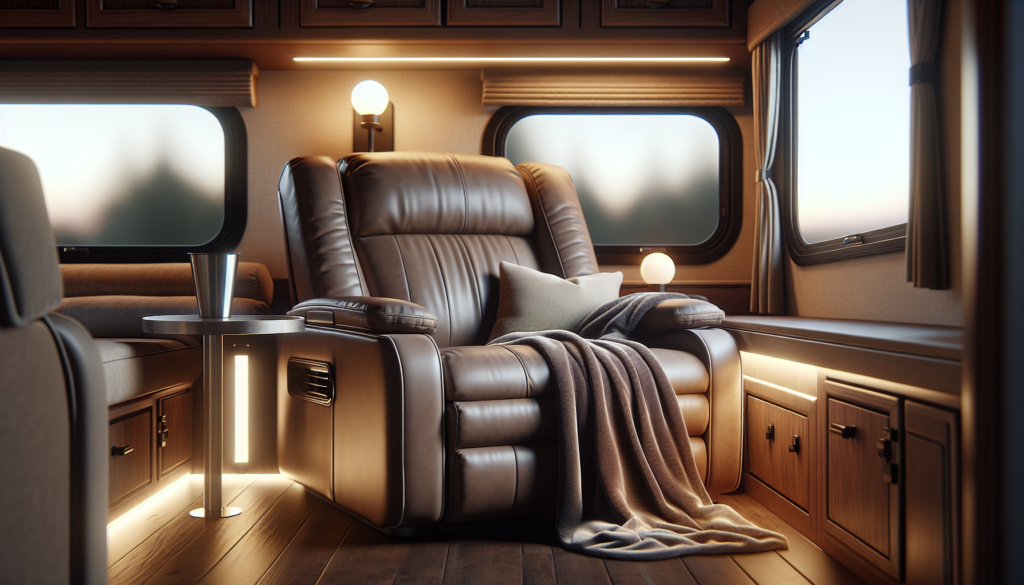
Choose seating with good lumbar support and quality cushions; reclining functions and swivel captain’s chairs can make long stints inside more comfortable. You should test cushions and materials for both feel and durability.
Kitchen Upgrades
A well-equipped kitchen encourages happier meals and easier hosting in your luxury trailer. You’ll want appliances and surfaces that hold up to travel and enhance cooking comfort.
Appliances Comparison and Choices
Selecting the right appliances depends on size, power source, and how you cook. The table below summarizes common options.
| Appliance | Power Source | Pros | Cons |
|---|---|---|---|
| 3-4 burner induction cooktop | Electric (inverter/shore) | Fast, clean, efficient | Requires inverter/shore power |
| Propane stove | Propane | Reliable off-grid | Open flame, ventilation needed |
| Convection microwave oven | Electric | Multi-function, compact | Limited capacity |
| Full-size residential fridge | Electric (12V/120V/propane) | Better capacity, quiet | Heavier, higher power draw |
| Residential oven | Electric/propane | Full baking capability | Requires space and power venting |
You should balance off-grid independence and on-grid luxury when choosing appliances, keeping power availability and weight in mind.
Countertops, Sinks, and Backsplashes
Choosing solid surface, quartz, or durable laminate countertops gives both a premium look and functional resilience. You’ll want an undermount sink with covers for added counter space and a practical backsplash that’s easy to clean.
Storage and Pantry Solutions
Pull-out pantry shelves, spice racks, and vertical drawer organizers maximize usable space. You should use soft-close drawers and secure latching hardware to keep everything in place while traveling.
Bathroom Comfort
A luxury bathroom in a trailer makes daily life easier and adds value. Focus on water efficiency, more attainable water heating, and creating a comfortable, private space.
Shower and Fixture Upgrades
Consider a larger shower pan, a thermostatic shower valve, and a high-quality handheld head for a spa-like experience. You should add a glass or high-quality acrylic surround that resists stains and is easy to clean.
Hot Water Systems
Tankless instant water heaters or larger-capacity tank heaters provide sustained hot water for showers. You’ll want to size the system to your typical use and consider fuel type (propane vs electric) that integrates with your energy plan.
Ventilation and Privacy
A quiet, high-flow roof vent and quality exhaust fan will manage humidity and odors. For privacy, frosted glass or shades are useful, and you should ensure the bathroom lock is sturdy and reliable.
Storage and Organization
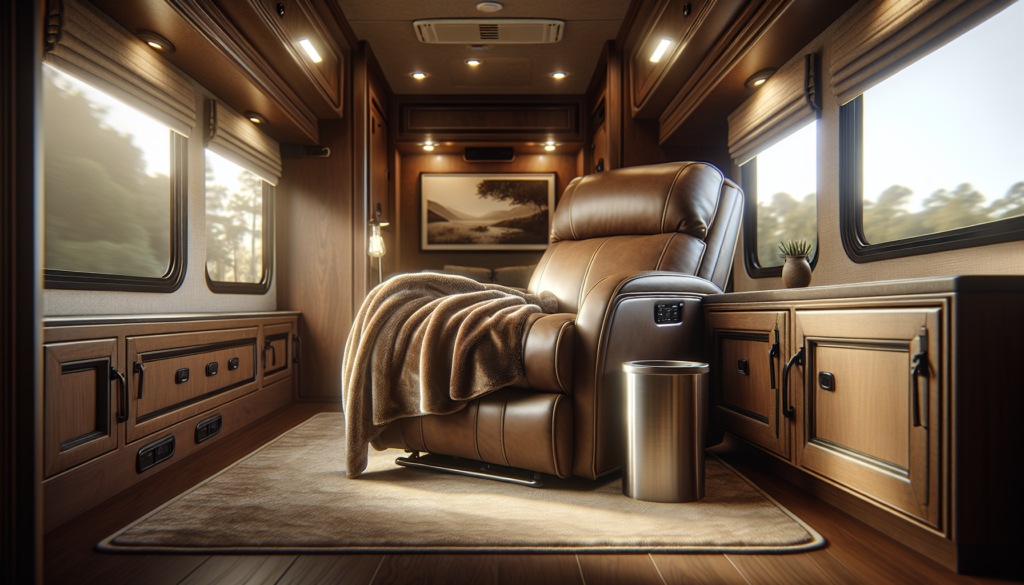
Clutter reduces comfort, so designing efficient storage is critical. You’ll aim for accessible, secure storage that keeps essentials organized and easy to retrieve.
Smart Storage Solutions
Use vertical spaces, toe-kick drawers, and overhead cubbies to maximize capacity. You should incorporate labeled bins, Velcro mounts, and slide-out trays to keep items secure during travel.
Exterior Storage and Gear Racks
Exterior compartments that are insulated or lined help store gear and appliances. Consider mounting bike racks, awning-mounted storage, or a rear cargo carrier, and you should ensure weight distribution remains safe.
Closet Systems and Small Item Organization
Install modular closet organizers and shoe racks to make the most of tight spaces. You’ll appreciate having a place for each item to reduce morning searches and maintain an organized living area.
Power Systems and Tech
Comfort depends on reliable power for heating, cooling, cooking, and entertainment. Upgrading batteries, solar, inverters, and smart control systems ensures you can run the systems that matter.
Battery Types and Solar Options
Comparing battery chemistries and solar setups helps you pick a configuration that meets your energy needs. Use the table below to understand common choices.
| Component | Pros | Cons |
|---|---|---|
| Lead-acid (AGM/Flooded) | Lower upfront cost | Heavy, shorter cycle life |
| Lithium LiFePO4 | High usable capacity, lightweight | Higher upfront cost |
| Solar PV panels (monocrystalline) | High efficiency, compact | Requires mounting space |
| MPPT charge controller | Efficient solar charging | Higher cost than PWM |
You should calculate daily energy demands (in amp-hours) to size your battery bank and solar array appropriately, then pick components compatible with your inverter and charging systems.
Inverter/Charger and Power Management
A quality inverter/charger lets you run AC appliances and manage shore power charging. You’ll want an inverter with adequate surge capacity and integrated battery management to protect your investment.
Smart Controls and Monitoring
Install a central energy monitor and smart thermostat to keep tabs on power use and climate controls. You should be able to check battery state-of-charge, water tank levels, and system alerts from your phone or a handy control panel.
Entertainment and Sound Systems
High-quality speakers, a TV with swivel mount, and a multi-zone audio system make relaxing simple. You’ll enjoy having audio zones so you can play music outside while keeping the bedroom quiet.
Water and Waste Systems
Comfortable water systems hinge on reliable supply, clean filtration, and efficient waste handling. Plan for capacity that matches showering and cooking habits.
Fresh Water and Filtration
Install a practical onboard fresh water tank and a multi-stage filtration system to ensure water tastes and smells good. You’ll want UV or sediment+carbon filters to handle most campground water sources.
Grey and Black Tanks
Choose tank sizes that match your usage patterns; larger tanks increase dry-camp days but add weight. You should also install efficient tank-level sensors and accessible valves to make maintenance easier.
Winterization and Freeze Protection
If you plan cold-weather travel, use heated tanks, insulated piping, and tank heaters to prevent freezing. You’ll want accessible bypass valves and a clear winterization process to protect plumbing.
Safety, Security, and Regulations
Comfort includes the security of knowing your trailer is safe and compliant with regulations. Addressing safety upgrades reduces stress and keeps you legally roadworthy.
Weight Ratings and Legal Limits
Verify your trailer’s GVWR, axle ratings, and tongue weight limits before adding heavy items. You should check local and state towing regulations to ensure compliance.
Tires, Suspension, and Brake Upgrades
Choose high-quality tires rated for your load and maintain proper inflation to improve comfort and safety. Consider upgraded shocks, sway bars, and electric/hydraulic brakes for better handling and stopping power.
Security Systems and Monitoring
A combination of GPS tracking, door sensors, and motion-activated cameras gives peace of mind. You should also add window locks, deadbolts, and secure storage for valuables.
Detectors and Fire Safety
Install carbon monoxide, propane, and smoke detectors in strategic locations. Keep a fire extinguisher accessible and ensure you know how to shut off propane and electrical power in emergencies.
Exterior Comfort and Functionality
The exterior of your trailer contributes to how you live outdoors. A well-designed exterior setup increases usable living space and comfort while camping.
Awnings and Outdoor Living Areas
A durable, retractable awning creates shade and shelter, and adding outdoor carpets and furniture builds an additional living area. You’ll want easy-to-use lighting and insect control solutions to improve evening comfort.
Outdoor Kitchens and Grills
An exterior kitchen setup with a grill, sink, and refrigerator is perfect for social cooking. You should verify propane rerouting, drainage, and ventilation for safety and ease.
Leveling, Stabilization, and Entry Comfort
Automatic leveling systems and high-quality steps make setup quick and stable. You’ll want tactile handles and non-slip surfaces for safe entry and exit during all weather.
Finishes and Aesthetics
Comfort is also about how your space looks and feels. Choose finishes and textiles that are durable and appealing so you’ll enjoy living in the trailer every day.
Color Schemes and Materials
Select calming color palettes and contrast with warm accents to make interiors feel spacious and inviting. You’ll want durable upholstery and finishes that resist sun fading and moisture.
Textiles, Rugs, and Window Treatments
Layer rugs, throw blankets, and pillows to add warmth and texture while improving acoustics. You should use machine-washable textiles where possible and select materials that dry quickly.
Personal Touches and Customization
Add photos, artwork, and modular shelving to reflect your personality without creating clutter. You’ll enjoy personalized touches like custom cabinetry pulls or decorative trim that still meet practical needs.
Budgeting and Project Planning
A realistic budget and timeline will help you manage upgrades without overspending. Prioritize critical comfort improvements and schedule larger projects for seasons when you won’t be traveling.
Prioritization and Phased Upgrades
Start with insulation, power, and sleeping upgrades for immediate comfort gains, then phase in cosmetic and luxury touches. You should prepare a three-phase plan: essentials, performance, and luxury.
DIY vs Professional Work
DIY saves money but can risk warranty voids or systems failure if not done correctly. You’ll want professionals for complex electrical, propane, or structural changes to ensure safe, code-compliant work.
Timeline and Permit Considerations
Some upgrades may require permits or inspections, especially for electrical or structural modifications. You should plan projects during off-peak travel months and confirm local regulations early.
Maintenance and Longevity
Comfortable systems last longer when you maintain them properly. Regular service prevents small issues from becoming costly and preserves resale value.
Regular Inspections and Preventive Care
Inspect seals, roof membranes, and mechanical systems seasonally. You should maintain batteries, check for leaks, and keep moving components lubricated.
Seasonal Preparation
Prepare for summer and winter by testing HVAC, winterizing plumbing, and refreshing sealants. You’ll want a checklist for spring startup and fall storage to keep systems in good repair.
Resale Value and Documentation
Keep records of upgrades, services, and parts to preserve resale value and demonstrate proper maintenance. You should also retain manuals and receipts for warranty and future owners.
Quick Checklists and Sample Build Plans
Use this checklist and sample plans to help organize your upgrades into manageable stages and know what to prioritize based on budget.
Essential Comfort Upgrade Checklist
- Improve insulation in roof and walls.
- Upgrade mattress and bed window coverings.
- Add reliable heating and quiet roof vent.
- Install battery bank and basic solar charging.
- Replace flooring with LVP or cork for comfort and durability.
You should tackle these first to gain immediate comfort benefits.
Mid-Level Comfort Upgrade Checklist
- Replace rooftop AC with high-efficiency unit or ducted solution.
- Install radiant floor heating mats.
- Upgrade to lithium batteries and MPPT solar controller.
- Add residential-style refrigerator and induction cooktop.
You’ll notice a significant lift in living quality at this stage.
Premium/Luxury Upgrade Checklist (Sample Build Plan)
- Full spray-foam insulation or closed-cell retrofit.
- Ducted heat pumps and integrated climate control system.
- Full hybrid mattress and custom bedding setup.
- High-capacity LiFePO4 battery bank with inverter/charger and 1–2 kW solar array.
- Custom cabinetry, engineered hardwood, and integrated entertainment system.
You should expect higher cost here, but comforts approach residential standards.
| Tier | Estimated Cost Range (USD) | Main Benefits |
|---|---|---|
| Essentials | $2,000–$8,000 | Better sleep, basic power, insulation |
| Mid-Level | $8,000–$25,000 | Improved HVAC, power independence, kitchen upgrades |
| Premium | $25,000+ | Near-residential comfort, high-end systems and finishes |
You should adapt these ranges to your trailer’s size and local labor costs, but they give a reasonable planning framework.
Conclusion
Customizing your luxury travel trailer for maximum comfort is an investment in how you live and travel. By prioritizing insulation, climate control, power systems, and ergonomic interiors, you’ll create a mobile retreat that supports rest, cooking, entertaining, and relaxation.
You’re now equipped with the knowledge to plan upgrades, choose materials, and schedule work that turns your trailer into a comfortable home on wheels. Start with the changes that will make the biggest immediate difference to your comfort, and build toward a fully customized space that fits your travel life.