
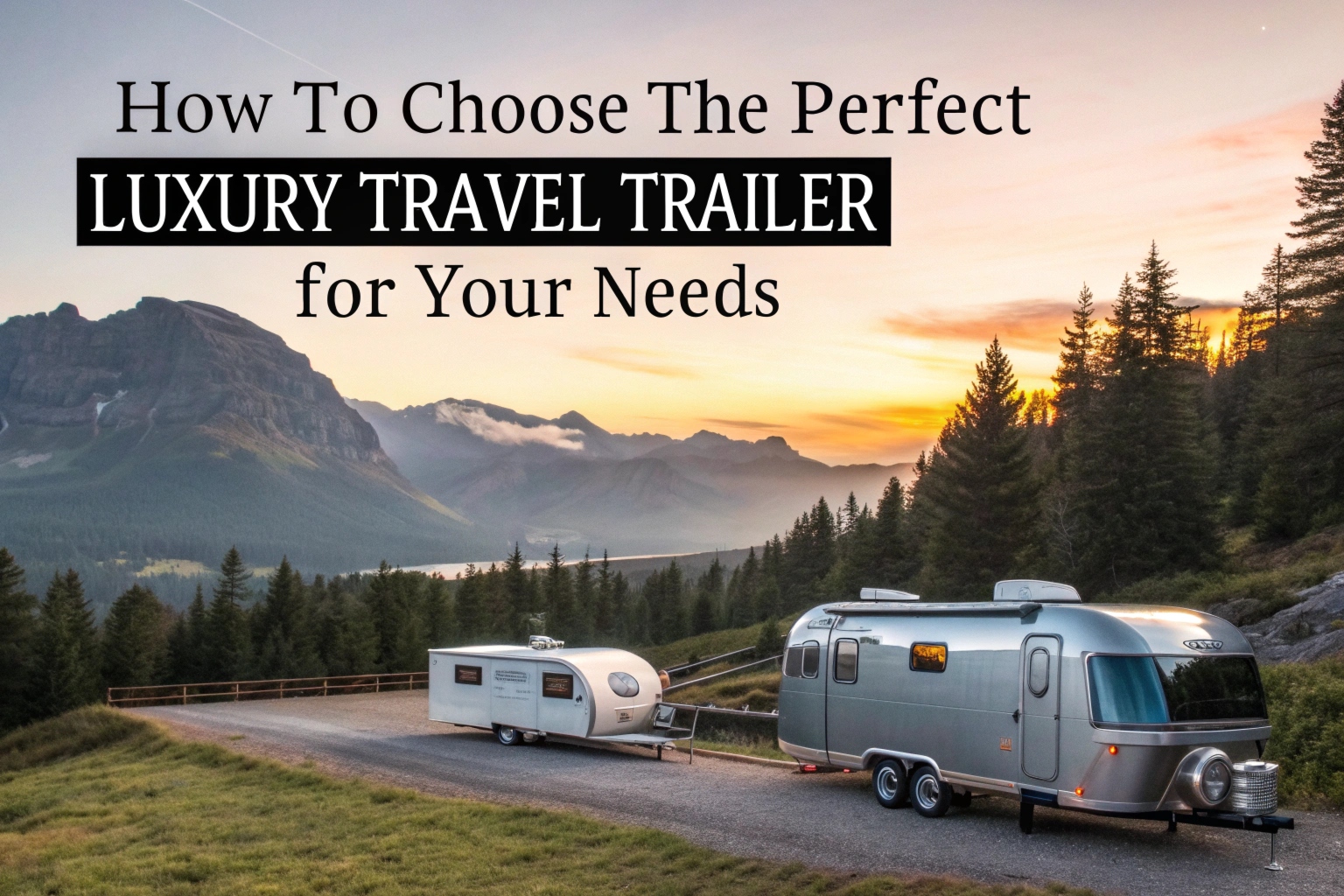
Are you ready to find the luxury travel trailer that fits your lifestyle, driving preferences, and budget?
How To Choose The Perfect Luxury Travel Trailer For Your Needs
Choosing a luxury travel trailer is a big decision. You want comfort, durability, and features that match your travel style without overpaying or ending up with something your tow vehicle can’t handle. This guide walks you through every step, so you can make an informed choice and feel confident in your purchase.
Why Choose a Luxury Travel Trailer?
Luxury travel trailers offer higher-quality materials, better insulation, premium appliances, and thoughtful layouts that make extended stays enjoyable. If you value comfort, long-term reliability, and upscale finishes, a luxury trailer can feel like a second home on wheels.
You should understand what makes a trailer “luxury” so you can decide which premium features matter most to you. Luxury isn’t just about price — it’s about how well the trailer meets your needs.
Define Your Travel Style and Priorities
Before comparing brands and floorplans, identify how you’ll use the trailer. Will you take weekend trips, full-time travel, seasonal stays, or remote off-grid adventures? Your travel style will determine which features and systems are essential.
List your top priorities: sleeping capacity, kitchen quality, bathroom layout, storage, towability, off-grid capability, heating/cooling performance, and towing compatibility. Rank them so you can make trade-offs when necessary.
Usage Scenarios
Short trips and long-term stays require different designs. For weekend trips you might prioritize maneuverability and lower weight. For long-term living you’ll want larger tanks, more storage, and robust heating and cooling.
Think about how often you’ll relocate, the types of roads and campgrounds you’ll visit, and whether you want resort hookups or self-contained off-grid capability.
Occupant Count and Layout Needs
Decide how many people will regularly travel with you. Sleeping capacity affects floorplan choice and the size of the trailer. If you frequently host guests or travel with family, prioritize multiple sleeping areas and flexible seating.
Consider whether you need a dedicated master bedroom, convertible furniture, bunkhouses, or multi-purpose spaces that adapt to work, leisure, and sleep.
Understand Tow Vehicle Compatibility
Your tow vehicle determines the maximum trailer weight you can safely haul. Always check your vehicle’s Gross Vehicle Weight Rating (GVWR), Gross Combined Weight Rating (GCWR), hitch rating, and payload capacity.
Exceeding these limits is unsafe and can cause mechanical damage and legal issues. Ensure the trailer’s tongue weight and hitching system match your vehicle’s capabilities.
Matching Trailer Weight to Your Vehicle
Consider both the trailer’s dry weight and its fully loaded weight. Luxury trailers often include heavier appliances and more materials, which raises their loaded weight.
Use the following table to match common vehicle types with typical travel trailer weight ranges. These are general guidelines; always confirm with your specific vehicle’s manual.
| Vehicle Type | Typical Towing Capacity | Suitable Trailer Weight (Loaded) |
|---|---|---|
| Compact SUV | 1,500–3,500 lbs | Up to 3,000 lbs |
| Mid-size SUV / Light Truck | 4,000–7,000 lbs | 3,000–7,000 lbs |
| Full-size Truck / Heavy-Duty SUV | 8,000–15,000+ lbs | 7,000–14,000+ lbs |
| Medium Duty / 1-ton Truck | 15,000+ lbs | 12,000–20,000+ lbs |
Hitch Types and Brake Systems
Most luxury trailers require a weight-distributing hitch and a trailer braking system. Electric or hydraulic brakes are standard for heavier trailers. Make sure your tow vehicle is equipped with or can be fitted with the proper wiring and controllers.
Consider trailer sway control and upgraded suspension if you plan to tow in windy conditions or on long hauls.
Learn About Weight Ratings and Construction Specs
Understanding weight ratings and construction is crucial for safety and practicality. Learn basic terms: dry weight (unloaded), GVWR (maximum legal weight), gross axle weight rating (GAWR), and payload capacity.
Quality construction often correlates with longevity and resale value. Look at frame materials, axles, suspension, and the method used to attach walls and roofs.
Floorplan Size vs. Practicality
Bigger trailers provide more amenities but can be harder to tow and park. Think about whether you’ll frequently use small campgrounds or stay in large RV resorts. Wider trailers require wider campsites and may be limited by road access.
Consider a layout that gives you essential space where you need it, such as a larger kitchen if you love to cook or a bigger bathroom if you plan to live aboard for extended periods.
Compare Interior Features and Finish Levels
Luxury interiors vary widely. High-end trailers often have solid-surface countertops, residential refrigerators, premium flooring, hardwood cabinets, and upgraded lighting. Decide which interior elements add real value to your travel experience.
Kitchen and Appliances
The kitchen is the heart of your trailer. Features that often appear in luxury models include convection microwaves, induction cooktops, residential ovens, large-capacity refrigerators, deep sinks, and abundant counter space.
If you cook often, prioritize a well-laid-out kitchen with quality appliances and storage. If you prefer eating out, a compact but efficient kitchen may be fine.
Bathroom and Laundry Options
Luxury trailers often have spacious bathrooms with full-size shower stalls, porcelain toilets, and solid-surface vanities. Some include washer/dryer combos or prep hookups.
If you plan to live aboard or travel in cold weather, choose robust plumbing and heated holding tank features to prevent freezing.
Sleep and Living Spaces
Luxury trailers offer comfortable mattresses, blackout shades, theater seating, and premium entertainment systems. Consider whether you want a dedicated bedroom with a solid door or a convertible living area.
Multi-zone climate control and soundproofing improve comfort during longer stays and while traveling.
Focus on Insulation and Climate Control
Insulation quality influences comfort, energy efficiency, and off-season usability. Luxury trailers usually have better insulation (higher R-values), dual-pane windows, and insulated underbellies.
Choose a unit with strong HVAC systems: efficient air conditioning, reliable furnaces, and sometimes heat pumps. If you’ll travel in extreme climates, consider trailers with four-season packages.
Off-Grid and Cold Weather Packages
If you plan to boondock or travel in the winter, a four-season package typically includes thicker insulation, heated tanks, upgraded seals, and protection for plumbing. Solar panels, lithium batteries, and efficient inverters enhance off-grid stay length.
Verify the capacity of solar systems and battery banks; bigger batteries and higher-wattage solar arrays let you run more appliances off-grid.
Electrical Systems, Batteries, and Generators
Luxury trailers often have advanced electrical systems: high-capacity inverters, integrated power management, shore power options, and built-in generators. Decide what level of independence you want from hookups.
Lithium batteries (LiFePO4) are becoming popular because they last longer, weigh less, and allow deeper discharge than lead-acid batteries. Combine batteries with a quality inverter and smart battery management system.
Generators vs. Solar
Generators provide reliable power for high-demand appliances but require fuel and generate noise. Solar plus batteries is quieter and cleaner but takes an upfront investment and space for panels.
Consider a hybrid approach: a solar array and battery bank for daily use plus a generator for high-demand or backup use.
Water Systems, Tanks, and Waste Management
Tank capacity and plumbing quality affect how long you can stay off-grid. Luxury trailers usually have larger freshwater, gray, and black tanks and better pump systems.
Heated holding tanks and insulated enclosures prevent freezing in cold climates. Onboard water filtration systems enhance water quality for longer stays.
Typical Tank Capacities by Trailer Size
| Trailer Size | Fresh Water | Gray Water | Black Water |
|---|---|---|---|
| Compact (<25 ft)< />d> | 30–50 gal | 25–50 gal | 15–40 gal |
| Mid-size (25–35 ft) | 50–90 gal | 40–80 gal | 40–70 gal |
| Large (>35 ft) | 90–150+ gal | 80–150 gal | 70–150+ gal |
Tailor tank sizes to your camping style. Larger tanks are essential for extended off-grid stays or large families.
Suspension, Axles, and Chassis Quality
The frame and chassis determine ride quality and long-term durability. Look for heavy-duty frames, corrosion-resistant finishes, and quality axle manufacturers like Dexter.
Independent suspension and upgraded shock absorbers improve ride smoothness. Brakes should be robust and balanced for the trailer’s weight class.
Underbody Protection and Warranty
Check for underbody protection against road debris and corrosion. Many luxury manufacturers offer extended warranties on structural components; read the fine print to understand coverage.
Materials and Build Techniques
High-end trailers use welded frames, aluminum or laminated sidewalls, fiberglass or composite exteriors, and hardwood cabinetry. Check how walls and roofs are joined and sealed.
Look for UV-resistant finishes, high-quality slide room systems, and insulation techniques that avoid thermal bridging.
Roof Types and Maintenance
Roof material affects longevity and maintenance. Common materials include TPO, EPDM rubber, and metal roofs. Each has pros and cons regarding durability, seam integrity, and susceptibility to punctures.
Ask about recommended maintenance intervals and whether the roof is easily serviceable.
Slide-Outs and Mechanisms
Slide-outs expand living space but add mechanical complexity and potential leak points. Luxury trailers often use precision-engineered slide systems with robust seals and weather stripping.
Assess the number of slide-outs you want and whether they create layout conflicts. Many luxury models include multiple slides for living, bedroom, and kitchen areas.
Entertainment and Technology Features
Modern luxury trailers come with integrated entertainment systems, smart control panels, Wi-Fi boosters, and satellite hookups. Decide what tech you need versus what’s a luxury add-on.
Smart monitoring systems let you check tank levels, battery state, and battery charging status remotely. Consider integrated thermostats and app-based controls for convenience.
Safety Features and Security
Important safety features include smoke and CO detectors, fire extinguishers, propane leak detectors, and integrated security systems. Luxury trailers may include backup cameras, tire pressure monitoring, and vehicle tracking.
Also factor in built-in safes, lock quality, and window security for peace of mind during stays.
New vs. Used: Pros and Cons
New trailers offer the latest features, full warranties, and customization but come with higher depreciation in the first few years. Used trailers can be more affordable but require careful inspection for wear, hidden damage, and previous repairs.
If buying used, review service records, check for water damage, test all systems, and consider a professional inspection.
Inspection Checklist for Used Luxury Trailers
Use the following table as a quick inspection guide when evaluating a used trailer.
| Item | What to Check |
|---|---|
| Water Damage | Stains, soft spots, musty odors, ceiling seams |
| Roof | Seams, patches, integrity, leaks after test spray |
| Slide-Outs | Smooth operation, seals, motor health |
| Appliances | Functionality, age, maintenance records |
| Chassis | Rust, frame cracks, axle condition |
| Electrical | Battery health, inverter test, shore power |
| Plumbing | Pump operation, tank vents, leaks |
| Tires/Brakes | Tread wear, age, brake function |
| Interior | Upholstery, cabinets, HVAC operation |
| Documentation | Title, service records, warranty transfers |
Warranty and After-Sales Support
Review manufacturer and dealer warranties. Luxury brands often provide better structural and component warranties. Understand what is covered, for how long, and which parts require regular maintenance to keep warranty valid.
Local dealer service quality matters. Choose a brand with a reputable dealer network near your home or travel routes.
Budgeting: Purchase Price, Operational Costs, and Depreciation
Factor in the total cost of ownership: purchase price, taxes, registration, insurance, maintenance, campsites, storage, and fuel. Luxury trailers often cost more to insure and maintain, especially with high-end appliances and materials.
Depreciation can be significant in the first few years. Keep a realistic resale value expectation and consider buying slightly used to avoid steep initial depreciation.
Rough Price Ranges
| Luxury Level | Typical Price Range (New) |
|---|---|
| Entry-Level Luxury | $50,000 – $80,000 |
| Mid-Level Luxury | $80,000 – $140,000 |
| High-End Luxury | $140,000 – $300,000+ |
Prices fluctuate based on size, amenities, brand reputation, and optional packages.
Financing and Insurance
Shop for financing options from banks, credit unions, and manufacturer lenders to compare interest rates and terms. Pre-approval gives you negotiating leverage.
Insurance for luxury trailers may require specialized coverage, including contents, full replacement value, and liability. Get quotes from multiple insurers and confirm what’s covered for theft, accidental damage, and off-grid usage.
Storage and Parking Considerations
Consider where you’ll store the trailer when not in use. Covered storage protects finishes and roofing; indoor storage is best for long-term preservation. Storage availability and fees affect ongoing costs.
Think about parking logistics at campsites and whether you’ll use a truck camper or tow vehicle when unhitched. Maneuvering space should be adequate for your chosen trailer length.
Test Driving and On-Site Evaluation
Always perform a full walk-through and a towed test if possible. Check how the trailer tracks, how easy it is to hitch/unhitch, and how smooth the suspension feels when towing.
Inspect interior functionality: run appliances, test water systems, operate switches, open/close slide-outs, and check for drafts or rattles.
Checklist for a Dealer Walk-Through
- Confirm the VIN and manufacturer specs match the listing.
- Run the onboard systems: lights, HVAC, appliances, and electronics.
- Test water pump and inspect tank levels and seals.
- Check drawers, cabinets, and door operations.
- Examine tire age (DOT code) and condition.
- Ask about factory-installed options and service history.
Negotiation Tips and Buying Strategy
Research invoice prices and dealer incentives. Use comparable listings to gauge fair market value. If you’re trading in or financing, be cautious about dealer markups.
Negotiate on value-added items like extended warranties, service packages, roadside assistance, and accessories. Getting maintenance included or a full tank of propane can be valuable additions.
Maintenance Plan and Seasonal Preparation
Develop a maintenance schedule to extend the life of your trailer: check roof seals annually, service brakes, rotate tires, test battery systems, and winterize or de-winterize plumbing depending on season.
Maintain a log of repairs and upgrades. Proper maintenance helps preserve resale value and ensures safe travels.
Accessories and Must-Have Add-Ons
Think about practical add-ons: weight-distribution hitches, sway control, power tongue jacks, leveling systems, awnings, exterior kitchens, outdoor TV systems, and security devices.
Make a list of what you’ll use regularly and prioritize those upgrades. Many accessories can be installed aftermarket at lower cost than factory options.
Resale Value and Brand Reputation
Brand reputation, build quality, and popular floorplans help maintain resale value. Keep the interior and exterior in good condition and keep detailed maintenance records.
Certain brands hold value better due to perceived quality and dealer support. Research owner forums and reviews to understand long-term ownership experiences.
Environmental and Legal Considerations
Check local and national regulations for emissions, towing limits, and campsite restrictions. If you plan to boondock or park long-term, understand land-use rules and environmental impacts.
Consider eco-friendly options like solar power, low-flow fixtures, and energy-efficient appliances to reduce your environmental footprint.
Final Buying Checklist
Use this final checklist before signing:
| Category | Action |
|---|---|
| Needs Match | Confirm layout and features match your top priorities |
| Tow Compatibility | Verify vehicle towing capacity and hitch setup |
| Systems Test | Test electrical, plumbing, HVAC, and appliances |
| Structural Check | Inspect roof, frame, slide-outs, and seals |
| Warranty | Review manufacturer and dealer warranties |
| Costs | Confirm total purchase price, taxes, and fees |
| Financing | Get pre-approved or compare lender offers |
| Insurance | Obtain insurance quotes and confirm coverage |
| Accessories | List necessary add-ons and price them |
| Inspection | Consider professional inspection if used or high-value |
Next Steps and Practical Tips
Plan a realistic timeline: research, visit dealerships, test-tow models, and allow time for inspections and financing. If buying used, arrange a trusted inspector to check the trailer thoroughly.
You’ll make the best decision by combining a clear understanding of your travel habits with careful comparison of specs, construction, and dealer support.
Conclusion
Choosing the perfect luxury travel trailer is about balancing comfort, capability, and practicality. By defining your travel style, matching trailer weight to your tow vehicle, prioritizing essential amenities, and carefully inspecting construction and systems, you’ll find a trailer that enhances your travel lifestyle for years to come.
Take the time to research, test, and compare. With thoughtful planning and the right priorities, you’ll land on a luxury travel trailer that feels like home wherever you go.