
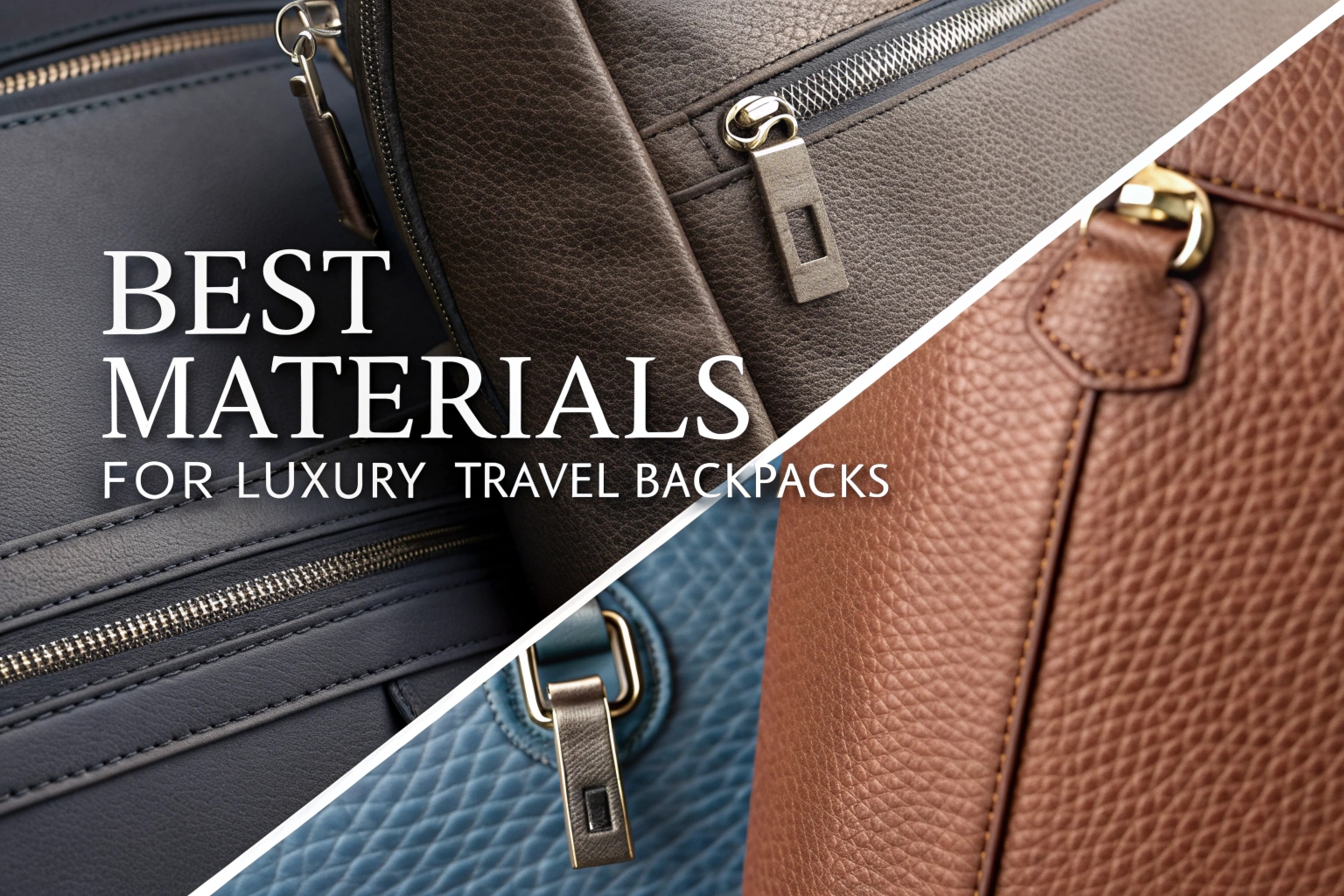
Have you ever picked up a backpack, felt its weight in your hands, and wondered whether the material would keep up with you on the road — or simply show its history like a patient companion?
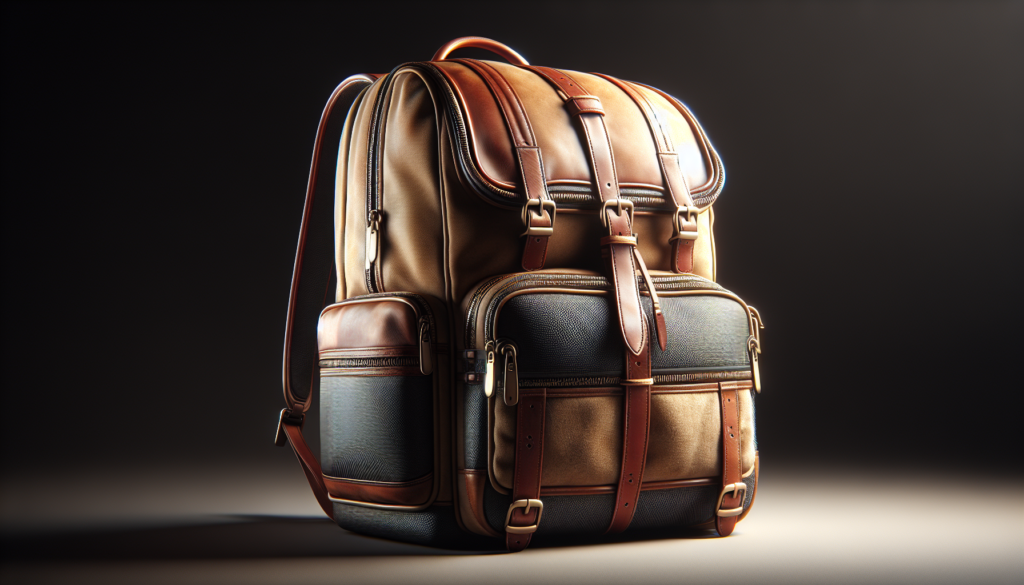
Best Materials For Luxury Travel Backpacks
You care about how things feel against your skin and how they look after a year of commuting and a month of travel. Material is not just a technical specification; it determines how your pack behaves, how it ages, and how it fits into the small rituals of travel you keep. This article helps you choose by describing the materials most commonly found in luxury travel backpacks, explaining their strengths and weaknesses, and giving you practical advice on care, matching to your travel style, and what to expect over time.
Why material matters — more than you think
Material affects more than durability. It affects how your backpack responds to weather, whether it gains character or merely looks worn, how comfortable it is to carry, and how easily it can be repaired. In the right material, a backpack can feel like an old friend; in the wrong material, it will frustrate you at the airport and disappoint you on a rainy afternoon.
You’ll learn to read the cues — grain of leather, weave of canvas, stiffness of nylon — so you can choose a pack that suits not only the places you go but the person you want to be when you’re there.
How materials influence performance and feel
- Durability: Some fabrics resist abrasion and tears; others are strong but scuff easily.
- Weight: Luxury does not always mean heavy. Materials range from ultralight Dyneema to robust full-grain leather.
- Water resistance: Coated fabrics, waxed canvas, and certain nylons shed rain; leathers vary depending on treatment.
- Aesthetics and patina: Some materials develop an attractive patina (full-grain leather), others retain their original look or show scuffs that don’t age gracefully.
- Maintenance: Leather needs conditioning, waxed canvas may be rewaxed, synthetics usually require merely gentle cleaning.
- Cost and repairability: Natural materials often cost more but can be repaired or restored; some synthetics are cheaper to replace.
Luxury materials explained
Below you’ll find an itemized tour of the materials you’ll see on high-end travel backpacks. Each entry gives you the essentials: what it is, who it’s for, the pros and cons, and how to care for it.
Full-grain leather
What it is: The highest-quality leather taken from the outer hide; retains natural grain and imperfections.
Why you might like it: It ages beautifully, developing a rich, unique patina. It feels substantial and luxurious, and it’s extremely durable when cared for.
Pros:
- Ages into a pleasing patina
- Very durable and repairable
- Luxurious tactile and visual quality
Cons:
- Heavy compared with technical fabrics
- Requires regular conditioning and protection from prolonged moisture
- Can be expensive
Care: Wipe with a damp cloth for daily dirt. Condition occasionally with a leather conditioner and use a waterproofing spray or cream for wet climates. Avoid prolonged sun exposure to prevent drying and cracking.
Best for: Urban travelers, business trips, those who prefer an heirloom aesthetic.
Top-grain leather
What it is: Leather that has been sanded and corrected to remove imperfections; thinner and more uniform than full-grain.
Why you might like it: It looks refined and is softer to the touch while retaining many benefits of leather at a slightly lower cost.
Pros:
- More uniform appearance
- Softer, lighter than full-grain
- Easier to clean and stain-resistant if finished
Cons:
- Does not patina as beautifully as full-grain
- May not be as durable in the very long term
Care: Similar to full-grain but less frequent conditioning may be needed depending on finish.
Best for: Those who want leather’s look with less maintenance and a sleeker aesthetic.
Vegetable-tanned leather
What it is: Leather tanned using natural tannins from tree bark and plants; the process is traditional and slower.
Why you might like it: It develops a deep patina and often carries a warm, organic smell. It’s prized for artisanal goods.
Pros:
- Exceptional patina over time
- Natural, traditional production methods
- Repairable and long-lasting
Cons:
- More susceptible to water marks unless treated
- More expensive and may require frequent care
Care: Condition with natural oils and oils sparingly; seal with wax or appropriate waterproofing in wet climates.
Saffiano and other embossed leathers
What it is: Leather stamped with a crosshatch pattern and usually coated for extra protection.
Why you might like it: It resists scratches and stains, and it offers a structured, modern appearance.
Pros:
- Scratch and stain resistant
- Low maintenance
- Polished, consistent look
Cons:
- Lacks the organic patina of untreated leathers
- Less tactile warmth
Care: Wipe clean; avoid harsh chemicals. Minimal conditioning needed due to coating.
Nubuck and suede
What it is: Buffed or sanded leather that has a napped surface.
Why you might like it: Soft and tactile, with a rich appearance.
Pros:
- Luxurious texture
- Attractive matte finish
Cons:
- Very susceptible to water and staining
- Difficult to clean — appeals mainly to careful users
Care: Use protective sprays designed for nubuck/suede; brush regularly with a suede brush; avoid wet conditions.
Waxed canvas (or waxed cotton)
What it is: Cotton canvas treated with wax to provide water resistance and a unique texture.
Why you might like it: It gives a classic, rugged aesthetic and develops character as it scratches and fades.
Pros:
- Good water resistance without rigid coatings
- Re-waxable to restore performance
- Attractive aging: marks blend into character
Cons:
- Can be heavy
- Requires rewaxing for long-term waterproofing
- Can stain if not maintained
Care: Clean with a damp cloth; avoid machine washing; reapply wax with a soft cloth or iron-in method according to manufacturer instructions.
Coated canvas (PVC/PVC-free alternatives)
What it is: Canvas with a polymer (PVC, PU) coating for high water resistance.
Why you might like it: Durable, cleaner-friendly, and more weatherproof than untreated canvas.
Pros:
- Very water-resistant
- Easy to clean
- Maintains structure
Cons:
- Can be less breathable
- Not as natural-feeling; limited patina
Care: Wipe clean; avoid high heat which can damage coatings.
Ballistic nylon
What it is: Heavy-duty nylon originally developed for military use; dense weave gives high abrasion resistance.
Why you might like it: It’s tough, resists tearing, and holds up to rough handling and abrasion.
Pros:
- Extremely durable
- Good for heavy travel loads
- Resists punctures and abrasion
Cons:
- Heavy relative to lighter nylons
- Not very water-resistant unless treated
Care: Wipe with mild soap and warm water; apply water-repellent sprays if necessary.
Cordura (e.g., 500D, 1000D)
What it is: Brand name for a family of nylon fabrics known for durability and abrasion resistance; denier indicates thickness.
Why you might like it: Combines strength with relatively light weight; widely used in performance and luxury backpacks.
Pros:
- Excellent balance of weight and strength
- Good abrasion resistance
- Often treated with water-repellent coatings
Cons:
- Lower-end deniers show wear sooner
- Limited patina — ages by fading, not by developing a sheen
Care: Clean with gentle soap and warm water; re-apply durable water repellent (DWR) as needed.
Ripstop nylon
What it is: Nylon woven with reinforcement threads at intervals to slow the spread of tears.
Why you might like it: Lightweight with good strength — often used for ultralight packs.
Pros:
- Light and tear-resistant
- Packs down easily
- Suitable for weight-conscious travelers
Cons:
- Less luxurious in appearance
- Needs coatings for water resistance
Care: Hand wash with gentle detergent; air dry. Reapply DWR for water resistance.
Dyneema (UHMWPE) and other ultra-high-molecular-weight polyethylenes
What it is: Extremely strong, lightweight fibers used in high-end ultralight or expedition gear.
Why you might like it: You get outstanding strength-to-weight ratio — the backpack can be incredibly light but still tough.
Pros:
- Ultra-light and extremely strong
- Excellent puncture resistance
- Minimal stretch
Cons:
- Typically expensive
- Less forgiving visually; scratches show differently
- Difficult to repair in some cases
Care: Hand wash gently. Repair patches are possible but might need specialist service.
Kevlar and aramid fabrics
What it is: High-strength synthetic fibers known for cut and heat resistance.
Why you might like it: Good for extreme durability and protective uses.
Pros:
- High cut and abrasion resistance
- Good for rugged or protective builds
Cons:
- Can be stiff and noisy
- Heavier and more expensive than many nylons
Care: Similar to heavy-duty synthetics; avoid high-heat exposure.
Neoprene and softshell fabrics
What it is: Stretchy, cushioned synthetic materials often used for sleeves, exterior pockets, or comfortable back panels.
Why you might like it: They protect electronics and add a soft touch where you need it.
Pros:
- Soft, protective, cushioned
- Good for laptop or tablet sleeves
Cons:
- Not typically used for main structure — heavy when overused
- Aesthetic leans sporty rather than classic
Care: Spot clean; air dry.
Microfiber suede and other linings
What it is: Synthetic suede-like materials used for interior linings and pockets.
Why you might like it: Soft on delicate items like sunglasses and gadgets; easy to clean.
Pros:
- Soft and protective
- Often water-resistant on the interior
- Easier to clean than natural suede
Cons:
- Not as breathable as natural materials
- Can trap moisture if wet items are stored inside
Care: Spot clean, vacuum, or wipe with damp cloth.
Waterproof membranes and laminates (Gore-Tex, eVent, PU laminates)
What it is: Thin membranes laminated to fabric to provide waterproof breathability.
Why you might like it: Keeps contents dry in heavy rain while reducing condensation.
Pros:
- High-performance water protection
- Breathable in many cases
Cons:
- Adds cost
- If seams and zippers aren’t sealed, performance is limited to fabric
Care: Clean according to manufacturer; avoid heavy abrasion which can damage laminates.
Hardware: zippers, buckles, and trims
What it is: Components like YKK zippers, brass hardware, and anodized aluminum used on luxury packs.
Why you might like it: Good hardware keeps your backpack functioning for years; brass ages attractively, while stainless steel resists corrosion.
Pros and cons depend on material:
- YKK zippers: reliable, replaceable
- Brass hardware: ages to patina but heavier
- Anodized aluminum: light and corrosion-resistant
Care: Lubricate zippers occasionally with silicone or beeswax; wipe metal parts to remove salt and dirt.
Recycled and alternative leathers (recycled PET, Piñatex, mushroom leather)
What it is: Materials aiming to mimic leather or reduce environmental footprint — often used in eco-luxury products.
Why you might like it: Lower environmental impact and modern aesthetics; many are durable and light.
Pros:
- Sustainable credentials
- Often water-resistant and lighter than animal leather
Cons:
- Varying longevity compared with top leather
- Patina and repairability differ from animal leather
Care: Follow manufacturer instructions — many are easy to clean, but heat and solvents can harm them.
Quick comparison table
| Material | Typical look/feel | Weight | Water resistance | Patina/Aging | Care level | Best use |
|---|---|---|---|---|---|---|
| Full-grain leather | Rich, heavy, natural grain | Heavy | Low unless treated | High; beautiful patina | High | Urban/biz travel |
| Top-grain leather | Smooth, refined | Medium-heavy | Medium | Moderate | Medium | Business trips |
| Vegetable-tanned leather | Warm, artisanal | Medium-heavy | Low unless treated | High | High | Heritage styles |
| Saffiano leather | Structured, coated | Medium | High | Low | Low | Polished urban |
| Waxed canvas | Rugged, matte | Medium | High (re-waxable) | High | Medium | Casual travel |
| Coated canvas | Structured, sleek | Medium | Very high | Low | Low | Moist climates |
| Ballistic nylon | Rugged, technical | Heavy | Medium | Low | Low | Heavy-duty travel |
| Cordura (500–1000D) | Technical, robust | Medium | Medium-high | Low | Low | Everyday carry, adventure |
| Ripstop nylon | Lightweight, crisp | Light | Low-medium | Low | Low | Ultralight travel |
| Dyneema | Minimal, slick | Very light | Low-medium (depends) | Low | Low | Ultralight/exploration |
| Neoprene | Soft, cushioned | Medium | Medium | Low | Low | Electronics protection |
| Recycled fabrics | Varies | Varies | Varies | Varies | Varies | Eco-conscious travel |
What to look for when choosing a luxury travel backpack
The material is central, but construction and details matter just as much. When evaluating a bag, look for:
- Seams and stitching: Double stitching, bartacks at stress points, and binding on edges indicate longevity.
- Zippers: YKK or equivalent; water-resistant zippers for wet climates.
- Hardware: Solid metal hardware with smooth action; test buckles and adjusters.
- Add-ons: Removable straps, luggage pass-through, and modular pockets increase utility.
- Padding and suspension: Quality foam, ergonomic straps, and ventilated back panels improve comfort.
- Lining and pocket layout: Soft-lined tech pockets and organized compartments can be as valuable as the outer material.
- Warranty/repair policy: Luxury brands often repair rather than replace; that’s a sign of long-term value.
Matching materials to travel styles
You’re the kind of traveler who packs a personality into your luggage. Here’s how to match material to a travel profile.
| Travel style | Material recommendation | Why |
|---|---|---|
| Urban business travel | Top-grain or saffiano leather with Cordura base | Polished look with practical reinforcement |
| Weekend escapes | Waxed canvas with leather trim | Rugged, characterful, re-waxable |
| Frequent flyers/commuters | Cordura (500–1000D) or ballistic nylon | Durable, light, resists scuffs |
| Ultralight backpacker | Dyneema or ripstop nylon | Minimal weight, strong |
| Adventure travel | Cordura or ballistic nylon with sealed seams | Tough, abrasion-resistant |
| Eco-conscious traveler | Recycled PET or mushroom-based leather | Lower footprint, modern aesthetic |
| Photographer | Cordura with neoprene-lined compartments | Protection, durability |
How materials age and develop character
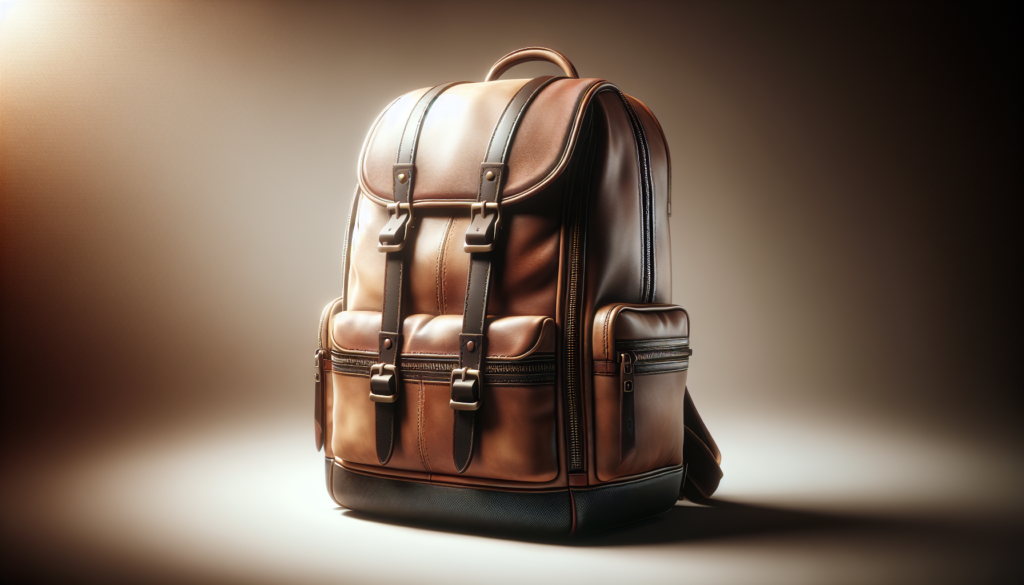
You may prefer a backpack that gains a story over time rather than one that looks new and then frays. Full-grain leather and waxed canvas are celebrated because of this. Leather develops a rich sheen and softens where you hold it; waxed canvas shows scuffs that blend into an appealing texture. Synthetics tend to fade rather than patina; they can look younger longer but may reveal abrasive wear (pilling, fibers rubbing away).
Understanding how a material ages will tell you whether you’re buying an heirloom or a tool. If you like the idea of repairs, look for leather with quality stitching; if you prefer low maintenance, choose coated canvas or Cordura.
Care and maintenance by material
It helps to keep a small maintenance kit with you: soft cloth, mild soap, leather conditioner, wax for canvas, and zipper lubricant. Here’s a material-by-material guide.
Leather (full-grain, top-grain, vegetable-tanned)
- Clean: Wipe with a damp cloth and mild soap for stains.
- Condition: Use a neutral leather conditioner every 3–6 months depending on use and climate.
- Protect: Apply a leather protector for wet weather; in heavy rain, limit exposure.
- Repair: Scuffs and scratches can often be minimized with conditioner; a professional can restore deeper damage.
Waxed canvas
- Clean: Brush off dirt; spot clean with cold water and mild soap.
- Rewax: Use the same wax product or a recommended compatible wax when water no longer beads.
- Avoid: Machine washing and hot dryers can remove wax.
Cordura, ballistic nylon, ripstop
- Clean: Spot clean with warm water and mild detergent. For heavy soiling, gentle hand wash.
- Restore DWR: Apply a durable water repellent spray when water stops beading.
- Repair: Use patches or professional fabric repair for tears.
Coated fabrics
- Clean: Wipe with damp cloth; mild soap for stains.
- Avoid: Do not iron or expose to high heat.
- Repair: Small punctures often repairable with patch kits.
Dyneema, Kevlar
- Clean: Gentle hand wash.
- Repair: Specialist repair may be required; small punctures can be patched.
Hardware and zippers
- Clean: Remove salt and grime with a damp cloth.
- Lubricate: Use wax or zipper lubricant to prevent sticking.
- Replace: Choose repairable backpacks with replaceable zippers/parts.
Sustainability and ethics — what to watch for
Luxury need not imply environmental cost. When assessing sustainability, consider:
- Material source: Is the leather vegetable-tanned or chrome-tanned? Is the leather certified (e.g., from traceable suppliers)?
- Recycled content: Look for recycled PET fabrics and certified recycled nylons.
- Alternative leathers: Piñatex (pineapple fiber), mycelium leather, and other plant-based leathers can reduce animal use.
- Manufacturing practices: Transparent supply chains and fair labor practices matter.
- Repairability: Longevity is a major sustainability factor. Brands offering repair services increase product lifetime and reduce waste.
Many luxury brands now publish material origin and environmental commitments; read those notes and ask questions about lifetime repair services.
Budget and value: when to spend more
Spending more can be justified when:
- The material is long-lasting and repairable (full-grain leather, top-end Cordura).
- The backpack gets daily use and needs superior construction.
- You value repair, replacement parts, and a warranty that indicates long-term brand commitment.
You may spend less if:
- You need something seasonal or for limited use.
- You prefer a lightweight, inexpensive piece for short-term travel.
Think in terms of cost-per-year rather than purchase price. A well-maintained leather pack can serve for decades and become more beloved with time.
Repair, warranty, and post-purchase service
A luxury purchase should come with aftercare options. Check:
- Warranty duration and what it covers.
- Availability of replacement parts (zippers, buckles, straps).
- Repair centers or manufacturer repair programs.
- Local craftspeople who can re-stitch leather or replace patches.
A brand that stands behind its work often makes that clear in documentation and visible service options online.
Choosing the right combination: hybrid constructions
Many luxury backpacks use hybrids: leather trim with Cordura body, waxed canvas with reinforced nylon bottom, or coated canvas with leather straps. These combine the visual warmth of natural materials with the performance of synthetics.
Advantages:
- You get the best of both worlds — aesthetics plus durability.
- Reinforced areas (bottom panel, shoulder straps) use tougher fabric where most abrasion occurs.
- Trim materials provide style cues while keeping overall weight manageable.
If you’re unsure, choose a hybrid: leather accents for character without burdening the entire pack with leather’s weight and care needs.
Practical shopping checklist
When you see a backpack you like, run through this checklist:
- What is the main fabric and denier (for nylons)?
- Are critical areas reinforced (bottom, straps)?
- Are zippers YKK or equivalent and are they water-resistant?
- Does the bag have structured padding where you need it?
- Can you access the interior easily at the airport? (front vs top loaders)
- What is the warranty and repair policy?
- Does the brand offer replacement parts?
- How will the bag fit with your typical outfits and travel rituals?
Bring your tech and try placing it inside: laptops, chargers, a sweater. That will tell you more than the label.
Common myths about materials
- Myth: More expensive always means better materials. Not always — some price comes from brand carving out a niche or marketing.
- Myth: Synthetic means disposable. Many modern synthetics are highly durable and repairable.
- Myth: Leather is always superior. Leather is beautiful and durable, but it’s not best for wet or extreme conditions.
Final recommendations
- If you want an heirloom: Choose full-grain leather with reinforced seams and quality hardware. Expect weight and care, and prepare to love the patina.
- If you want everyday reliability: Choose Cordura 500–1000D or ballistic nylon with leather accents. It balances look and lifespan.
- If you travel light and far: Consider ripstop or Dyneema for ultralight strength and minimal bulk.
- If you prefer character and casual style: Waxed canvas with leather trim gives you weather resistance and a lived-in look.
- If you care about the planet: Investigate recycled fabrics and responsibly produced leathers; prioritize brands that repair.
Wherever you land, think about how the bag will behave in the small rituals of travel: the rainy commute, the overnight flight, the airport carousel, the café where you slide it under the table. Choose a material that will match those moments, not just a photograph.
Care routine to extend life a short plan
- Monthly: Wipe down and check zippers and hardware.
- Quarterly: Condition leather or reapply DWR/wax where appropriate.
- Annually: Deep clean and inspect seams. Consider professional leather conditioning or repair if needed.
- Before long trips: Test waterproofing and reinforce any loose stitching.
A final thought on companionship
You keep a backpack close to your body, and it carries not just things but the memories you collect on the way. The material you choose becomes part of that narrative. Some travelers prefer the crisp anonymity of a coated fabric; others like the slow, honest aging of leather and waxed canvas that announces the routes you’ve traveled without needing to explain them. Choose something that will feel right on the third day of a long trip as much as it does the first.
If you keep the pack clean, mend its small wounds, and choose materials suited to the kind of journeys you make, it will return the favor by simply being there — reliable, familiar, and a little more telling of your life with every mile.