
Have you ever stood in front of a closet full of suitcases and felt that a single, well-made backpack might be the only sensible companion you need for most travels?
Beginner’s Guide To Luxury Travel Backpacks
Choosing a luxury travel backpack can feel like choosing a friend: you want someone dependable, good-looking, and a little discreet about their virtues. This guide will help you think through what matters, what matters less, and how to match a backpack’s character to your own travel habits.
Why choose a luxury travel backpack?
You travel with a certain rhythm, and a luxury backpack is often designed to match that rhythm: thoughtful compartments, quality materials, and finishing touches that make routines feel easier. You pay more upfront, but you usually get durability, refined comfort, and a kind of quiet pride every time you sling it on.
Luxury doesn’t only mean logo or price. It means attention to small details — zippers that glide, seams that don’t fray, leather that softens with time instead of cracking. If you value time saved at security checks, fewer repairs, or an item that ages gracefully, a luxury backpack can be worth it.
Who benefits most from a luxury backpack?
If you travel often for work, prefer carry-on-only trips, or want a stylish yet practical bag for city weekends, a luxury backpack will reward you. You’ll notice the difference at the airport and on the street, when pockets are in the right place and the weight sits where it should.
When a luxury backpack might not be necessary
If you travel infrequently, only backpack for outdoor rugged adventures, or need the absolute lowest price, you can get by with mid-range packs. Luxury is a choice about experience as much as function.
Key features to look for
A luxury travel backpack is seldom defined by a single feature. Look at the whole: materials, organization, comfort, and aftercare. You want a backpack that anticipates small inconveniences and solves them quietly.
Size and capacity
Size is often the first question: will it fit as a carry-on? Does it hold your laptop and a change of clothes? Think in liters and in the way you pack. A useful size guide:
| Approx. Capacity (L) | Typical Use | What you can expect to fit |
|---|---|---|
| 15–20 L | Daily bag / commuter | Tablet, small laptop (13″), wallet, water bottle, lunch |
| 20–30 L | Carry-on minimalist | Laptop (13–15″), a few clothing layers, toiletries, documents |
| 30–40 L | Weekend trips | Laptop, 2–3 outfits, chargers, toiletries, shoes (bulky items limited) |
| 40+ L | Longer trips / flexible | Several outfits, shoes, jacket; may exceed carry-on limits |
Remember that designer backpacks can be deceptively roomy or deliberately slim. If you carry technical gear or shoes, err toward higher capacity.
Laptop and tech protection
You’ll want a padded, well-fitted sleeve that closes securely and keeps the laptop flat against your back for comfort. Look for dedicated cable-routing channels, quick-access pockets for chargers, and water-resistant lining for the laptop compartment.
Organization and access
Luxury bags often offer nuanced organization: a quick-access top pocket, a folded-clipboard sleeve for documents, a hidden passport pocket, and large zippered sections. Ask yourself whether you prefer more compartments (for neatness) or fewer (for flexibility).
Security features
Lockable zippers, RFID-blocking pockets, and discreet hidden pockets can all reduce small anxieties. These features won’t stop a determined thief, but they do make casual pickpocketing less likely and make you feel safer in crowded spaces.
Comfort and ergonomics
Look for contoured shoulder straps, a sternum strap, and a supportive back panel that encourages airflow. If you’ll be carrying heavy loads, a padded hip belt makes a tangible difference. Luxury bags often have better materials and padding that age well.
Durability and water resistance
High-quality stitching, reinforced seams, water-resistant zippers, and treated fabrics add to longevity. Full-grain leather can be beautiful and long-lived but requires more care. Technical fabrics like ballistic nylon resist abrasion and weather more readily.
Weight and portability
Ironically, some luxury backpacks are heavier because of premium materials and hardware. Balance weight with durability: a slightly heavier bag that lasts a decade is often a better investment than a light bag that frays after a season.
Style and aesthetics
A luxury backpack should suit your personal style. Some brands favor minimalist, almost hermetic designs; others add distinctive signatures like contrast stitching, polished hardware, or woven textures. Choose a look you’ll want to carry in many settings, from cafés to client meetings.
Popular luxury backpack materials
Materials set the tone. They also affect care, weather resistance, and how the bag ages.
Leather
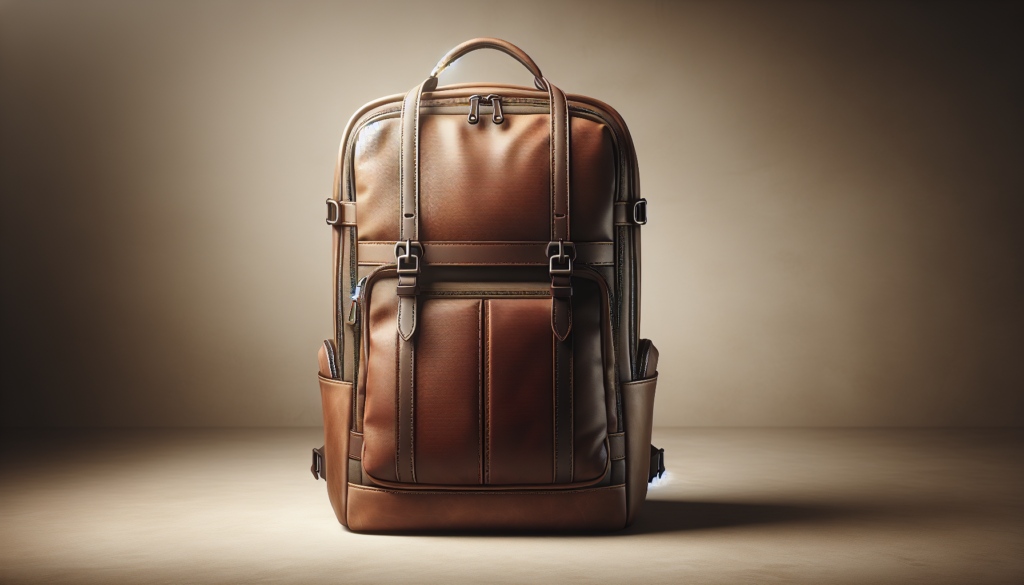
Full-grain or top-grain leather reads as classic and ages into a patina. It’s excellent for business travel, but it can be heavy and sensitive to moisture. You’ll need leather conditioner and storage care to keep it supple.
Ballistic nylon
Originally developed for military use, ballistic nylon is robust and resistant to abrasion. It’s practical, weather-tolerant, and often the choice for performance-luxury hybrids.
Waxed canvas
Waxed canvas has a tactile, lived-in look. It’s fairly water-resistant and softens with use. Care involves occasional rewaxing to maintain weather protection.
Technical fabrics (Cordura, ripstop)
These synthetic fabrics balance light weight and high tear resistance. They are often used in travel-focused luxury backpacks for durability without bulk.
Vegan leather and sustainable fabrics
If you prefer animal-free or eco-conscious options, look for high-quality synthetic leathers and recycled technical fabrics. These materials can perform well but may wear differently than animal leather.
| Material | Look and Feel | Durability | Water Resistance | Care |
|---|---|---|---|---|
| Full-grain leather | Luxurious, ages to patina | High | Moderate (needs treatment) | Clean, condition, store dry |
| Ballistic nylon | Matte, technical | Very high | High | Spot clean, air dry |
| Waxed canvas | Rustic, soft | Moderate-high | Good (when waxed) | Rewax periodically, spot clean |
| Cordura / ripstop | Technical, lightweight | High | High (with coatings) | Gentle washing, air dry |
| Vegan leather | Smooth, uniform | Moderate | Variable | Wipe clean, avoid heat |
Matching bag features to travel styles
Different journeys demand different compromises. Think about your typical trip and match features accordingly.
Business travel
You’ll prioritize laptop protection, document pockets, a clean exterior that complements formal attire, and a bag that fits under the seat or in the overhead bin without fuss. A leather or clean ballistic nylon bag with a trolley sleeve is often ideal.
City hopping and weekends
You’ll prefer a bag that’s light, stylish, and offers quick-access pockets for transit cards and maps. Consider bags that compress neatly and don’t feel overly formal.
International long-haul
You’ll value capacity, comfort, and durability. A bag with supportive straps, a hip belt option, and a larger central compartment will serve you better on longer trips.
Outdoor-adjacent travel
If your travel balances city and light trail activity, choose a rugged fabric, waterproofing, and an easily cleanable interior. Luxury here means technical performance plus refined finishes.
How to choose the right size and fit
Choosing the right size is as much about your packing habits as it is about the backpack’s dimensions.
Measure what you normally pack
Lay out what you usually carry on a typical overnight or three-day trip: clothing, electronics, shoes, toiletries. Try packing those into a bag at home to test fit.
Consider airline limits
Most domestic and international airlines allow carry-ons roughly 22 x 14 x 9 inches (56 x 36 x 23 cm), but small differences exist. If you plan to travel tight, choose a bag that fits those dimensions when packed.
Test the fit physically
If possible, try backpacks in-store with a weighted load to see how they sit on your back. Even a luxury bag can be uncomfortable for certain body types if straps aren’t adjustable enough or the back panel is too narrow.
Packing techniques for a luxury travel backpack
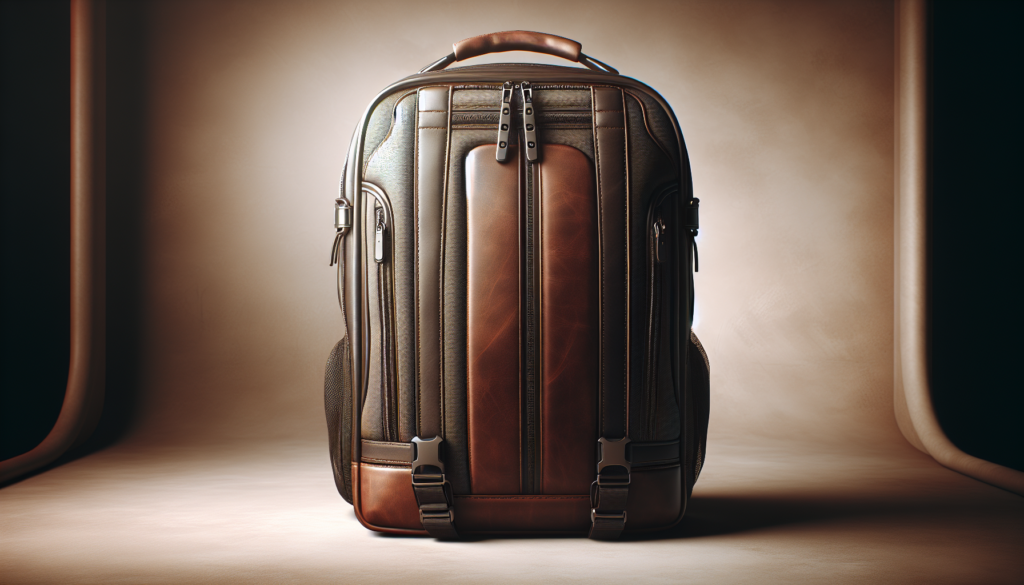
Packing well preserves both contents and the backpack. Thoughtful packing also reduces rummaging and makes security lines easier.
Use packing cubes and organizers
Packing cubes compress clothing and keep outfits separate. Tech organizers reduce cable chaos. They also protect the interior lining from scuffs.
Pack heavy items close to your back
Place shoes and heavier items near the rear panel to maintain a stable center of gravity. This makes the bag feel lighter when you walk.
Keep essentials in quick-access pockets
Passport, phone, a small notebook, and transit cards should be reachable without opening the main compartment, especially during airport security and short stops.
Toiletries and liquids
Use a leakproof toiletry bag and place it in an exterior compartment if available. For security, remember 100 ml (3.4 oz) rules for carry-on liquids.
Here’s a simple packing checklist for different trip lengths:
| Item / Trip Length | 1 Day | Weekend (2–3 days) | Short Business Trip (3–5 days) |
|---|---|---|---|
| Laptop / Tablet | ✓ | ✓ | ✓ |
| Jackets | Small | 1 lightweight | 1–2 (blazer + casual) |
| Shirts / Tops | 1 | 2–3 | 3–4 (include dress shirts) |
| Pants / Shorts | 1 | 1–2 | 2 |
| Underwear / Socks | 1 | 2–4 | 4–6 |
| Shoes | 1 | 1 (plus flip-flops) | 1–2 (dress + casual) |
| Toiletry kit | Small | Medium | Medium (with travel-sized) |
| Chargers / Adapters | ✓ | ✓ | ✓ (include power bank) |
| Documents / Wallet | ✓ | ✓ | ✓ (with business cards) |
Maintenance, cleaning, and repairs
A luxury backpack is an investment; treating it well keeps it beautiful and functional.
Routine cleaning
- Leather: Wipe with a damp cloth, use specialized leather cleaner and conditioner sparingly. Avoid submerging in water.
- Nylon and technical fabrics: Spot clean with mild soap and water; air dry away from direct heat.
- Waxed canvas: Wipe with a damp cloth; retouch wax with canvas wax when the water repellence wanes.
Storage
Store in a cool, dry place. If the bag came with a dust bag, use it. For leather, stuff with paper to maintain shape but avoid newspaper ink transfer.
Repairs and warranty
Check the brand’s repair policy and warranty. Many luxury brands offer repair services that extend a bag’s useful life, which adds to the long-term value.
Sustainability and ethical considerations
Many luxury brands are improving transparency and material sourcing. If ethics matter to you, research how materials are sourced, what kind of factory audits are in place, and whether the brand offers repair programs or takes back old items.
Buying pre-owned
A pre-owned luxury backpack can be a smart way to access higher craftsmanship at a lower cost. Authenticate carefully: look for consistent stitching, hardware markings, and correct brand details. Consider using reputable resale platforms that offer authentication.
Where to buy and what to watch for
Purchase from authorized retailers, brand boutiques, or vetted second-hand dealers. Beware of discounts that seem too good to be true on new models; counterfeits are crafted to look convincing.
Questions to ask when buying
- What materials are used and where are they sourced?
- Is the bag covered by a warranty or repair program?
- Are replacement parts (zippers, buckles) available?
- How does the bag perform in rain and daily wear?
A few recommended model archetypes
You don’t need a model list to pick a backpack, but understanding archetypes helps clarify your choice: think of them as personalities.
| Archetype | Typical Features | Best For |
|---|---|---|
| The Business Briefback | Sleek leather or ballistic nylon, laptop sleeve, trolley pass-through | Frequent flyers, meetings |
| The City Minimalist | Slim profile, quick-access pockets, understated design | Urban commuters |
| The Weekend Companion | 30–40 L, expandable, shoe pocket | Short leisure trips |
| The Tech Organizer | Multiple tech pockets, power bank compartment, reinforced laptop bay | Digital nomads |
| The Rugged Luxury | Technical fabric, water resistance, reinforced base | Outdoor-adjacent travel with polished aesthetics |
Cost expectations and value
Luxury backpacks vary widely in price. Expect to see:
- Entry-luxury: $200–$500 — great materials, good organization, brand recognition beginning.
- Mid-luxury: $500–$1,000 — superior materials, refined hardware, warranties.
- High-luxury: $1,000+ — premium leather, heritage craftsmanship, bespoke details.
Think in terms of cost per year. If a $700 backpack lasts ten years and you use it frequently, that’s often a sound investment compared with replacing cheaper bags every couple of seasons.
Common mistakes to avoid
You’ll save yourself trouble by avoiding a few predictable mistakes:
- Buying for looks only — without testing fit and organization.
- Choosing the biggest bag possible “just in case” — which encourages overpacking and can be physically draining.
- Ignoring repair policies — a small tear can become irreversible if you don’t know where to get it fixed.
- Neglecting care — leather in particular requires periodic maintenance.
Frequently asked questions
You’ll have practical questions; here are answers to common ones.
Q: How much should I spend on a first luxury backpack? A: Spend what feels sustainable for you. Consider how often you’ll use it; if travel and daily commuting are frequent, mid-luxury (around $500–$1,000) often balances quality and value.
Q: Can a leather backpack be used in rain? A: You can, but limit exposure. Treat with water-repellent products, and dry gently if it gets wet. For persistent wet conditions, choose coated fabrics instead.
Q: How do I know if a backpack fits me? A: Try it with weight in it. Check strap adjustability, how the back panel aligns with your torso, and whether the bag rides too low or high when walking.
Q: Is it better to choose more pockets or fewer? A: That depends on your habits. More pockets help keep things tidy; fewer pockets give flexibility for varied items. Many luxury bags strike a middle balance with modular organizers.
Q: Can I check a luxury backpack? A: You can, but it’s often better to keep luxury items with you. Checked bags face rougher handling, which can lead to cosmetic damage.
Q: Are vegan materials less durable? A: Not necessarily. High-quality synthetic leathers and recycled technical fabrics can be quite durable; they may wear differently but can be long-lasting.
Q: How often should I clean my backpack? A: Light cleaning as needed; thorough cleaning several times a year depending on use. Leather requires periodic conditioning.
Q: How do I authenticate a pre-owned luxury backpack? A: Compare serial numbers, craftsmanship details, and hardware markings to brand references. Use trusted resale services that include authentication.
Final thoughts
A luxury travel backpack should fit into the life you lead, not make you change it. You want a bag that eases routines, resists small annoyances, and quietly tells the world you travel thoughtfully. If you choose carefully, maintain it gently, and treat it like the practical object it is, it will repay you with years of calm confidence.
You’ll notice the difference in small moments: when a zipper glides, when your laptop slides in without a fight, when you can find your passport with one hand. Those moments add up into a smoother trip and a quieter sort of pride — precisely the kind of companionship you want from a good backpack.