
Are you ready to plan a luxury travel bus trip that feels effortless and comfortable from booking to return?

Best Tips For Booking A Luxury Travel Bus Experience
You want the best experience possible when you book a luxury travel bus, and that means planning, asking the right questions, and paying attention to details most people miss. This guide walks you through everything you need to know so you can book confidently and enjoy the ride.
Why choose a luxury travel bus?
You may be weighing options between trains, planes, or private cars. A luxury travel bus gives you space, comfort, and customizability with costs that often make sense for groups. You’ll get more control over the route, schedule, and onboard amenities compared with standard motorcoach services.
Types of luxury buses and common uses
Different bus types suit different trip profiles. Choosing the right class will affect comfort, capacity, and price. Below is a comparative table to help you match bus type to your needs.
| Bus Type | Typical Capacity | Typical Amenities | Best Use Cases | Approx. Price Range* |
|---|---|---|---|---|
| Luxury Motorcoach | 30–56 | Reclining seats, restroom, Wi‑Fi, TV, power | Long-distance group travel, tours, corporate trips | $$$ |
| Mini-Luxury Coach | 12–28 | Lounge seating, small kitchenette, upgraded AV | Small corporate teams, family trips, bachelor/bachelorette groups | $$ |
| Sleeper Coach | 8–30 | Bunks or lie-flatbeds, private compartments, restroom | Overnight routes, long-distance tours where sleeping is required | $$$$ |
| Double-Decker Luxury Coach | 40–80 | Spacious upper deck, panoramic windows, premium seating | Sightseeing tours, large groups wanting more space | $$$$ |
| Party / VIP Shuttle | 10–40 | Dance floor options, sound system, open layout | Nightlife transfers, events, concerts | $$–$$$ |
*Price ranges vary by region, season, and amenities. Use the table as a relative guide.
Amenities to prioritize
When you make choices, think about what will impact comfort, convenience, and the overall vibe of the trip.
Seating and sleep options
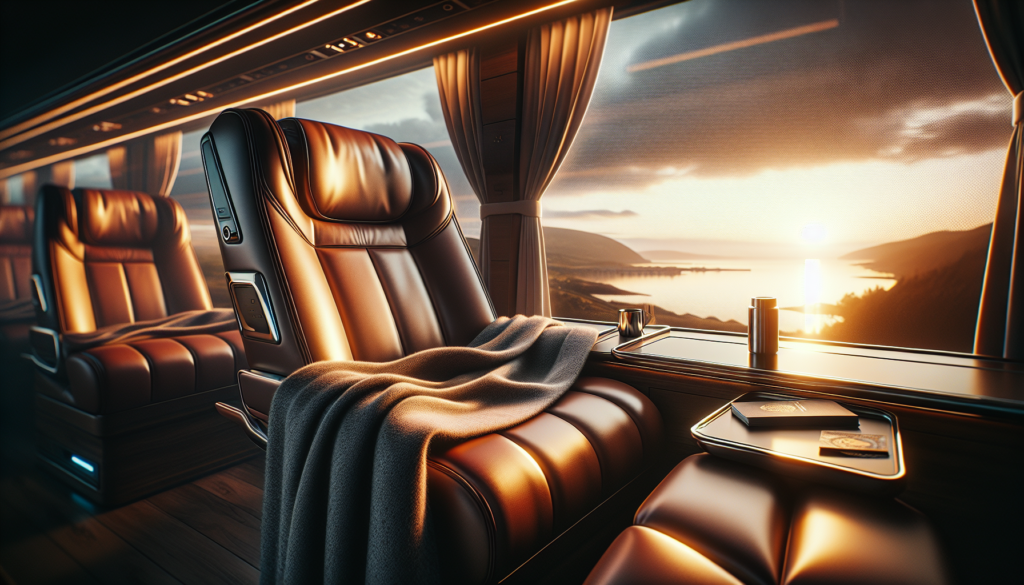
Good seats make a huge difference. Look for ergonomically designed recliners, leg rests, and layout choices that support conversation and privacy for longer trips.
Onboard restrooms and sanitation
A clean, well-maintained restroom is non-negotiable for multi-hour travel. Confirm cleaning frequency and availability of hand sanitizer or wipes.
Climate control and air quality
Modern HVAC systems and proper ventilation keep everyone comfortable. Ask about zoned controls so temperature can be adjusted without affecting the whole coach.
Entertainment and AV systems
High-quality audio, multiple monitors, and compatibility with streaming devices reduce boredom. Verify the provider’s capabilities for live presentations if you plan to work onboard.
Connectivity and power
Fast, reliable Wi‑Fi and plenty of USB and AC outlets are essential for business groups and anyone wanting to stay connected. Understand any bandwidth caps or usage limitations.
Kitchen/catering and storage
If you plan to serve meals, know whether the bus has a kitchenette, warming ovens, or just refrigeration. Also confirm exterior and interior storage capacity for luggage and gear.
Accessibility and support needs
Wheelchair lifts, accessible seating, and restroom accessibility matter if anyone in your group has mobility limitations. Ask for specifics and perhaps test on inspection.
Planning and researching providers
You should approach research like due diligence. The right provider will be professional, transparent, and flexible.
Online reviews and reputation
Read multiple review platforms and look for consistent patterns—both praise and complaints. Reviews can reveal how a company handles delays, cancellations, or disputes.
Ask for references and testimonials
Request recent client references for similar trips. Contact those references and ask about service quality, communication, and any unexpected issues.
Verify licensing and certifications
Confirm state or national transport authority registration, commercial licensing, and any special certifications the company claims to have.
Request photos, floor plans, and a virtual walkthrough
Photos can be staged or outdated. Ask for current images and floor plans, and request a live video walkthrough when possible so you can verify amenities and layout.
Determining your needs
Before you contact providers, clarify what you need so you can get accurate quotes and avoid surprises.
Group size and composition
Accurate passenger counts and knowledge of group composition (children, older people, accessibility needs) will determine bus size and seating configuration.
Route, stops, and timing
Define your primary route, any planned detours, and turnaround times. Buses cost more when routes are inefficient or run off the main highway.
Trip duration and overnight stays
Longer trips may require sleeper coaches or more frequent rest stops. Overnight itineraries may require driver lodging and per diem, affecting cost.
Purpose of the trip
Business, leisure, special events, or tours will change amenity needs—corporate groups often need AV and power; leisure groups may prefer lounge areas and premium sound.
Special requests
Pets, live animals, sports equipment, or fragile cargo should be communicated early so the provider can assign appropriate storage and handling.
Booking window and timing
The timing of your booking affects availability and price. Here are practical rules of thumb.
Peak season vs off-peak
High season and major event dates require earlier reservations. Expect higher deposits and less price flexibility during peak travel windows.
How far in advance to book
For small groups, 4–8 weeks may be adequate. For large groups, holidays, or specialty coaches, book 3–6 months in advance to secure specific buses and drivers.
Last-minute booking strategies
If you must book late, be flexible about bus type and schedule, and prepare to pay premium charges. Smaller luxury coaches are sometimes more available at short notice.
Understanding pricing and contracts
Pricing can be complex. You should understand the components that lead to a final invoice.
Common pricing models
- Flat day rate: Good for local charters and event shuttles.
- Per-mile or per-kilometer: Standard for point-to-point travel.
- Per-hour: Often used for short hops or when stops are frequent.
- Per-seat charter: Used when the bus is sold by seat rather than whole-vehicle hire.
Typical additional charges
Fuel surcharges, tolls, parking fees, driver lodging, overtime, cleaning fees, and gratuity are common. Make sure these are clearly itemized in writing.
Deposits and payment schedules
Expect a deposit to secure the booking, often 10–30% of the estimate. Final payment terms vary—some require final payment before departure, others send a final invoice after the trip.
Cancellation and refund policies
Understand the provider’s refund timeline and any penalties. Extreme weather, strikes, or other force majeure events may have specific clauses.
Contract essentials
Your contract should include itinerary, price breakdown, cancellation terms, insurance details, driver hours and rest schedules, vehicle ID (VIN or license), and agreed amenities.
| Pricing Model | Best For | Typical Pros | Typical Cons |
|---|---|---|---|
| Flat Day Rate | Local or event charters | Predictable cost, easy budgeting | May be inefficient for long-distance routes |
| Per-Mile | Point-to-point travel | Fairly transparent, scales with distance | Fuel and detour costs can inflate total |
| Per-Hour | Short trips, many stops | Flexibility for changes | Can become expensive if delays occur |
| Per-Seat | Festival shuttles, public sales | Cost-effective for individuals | Less privacy and control for your group |
Negotiation tips
You should treat quotes as starting points. Here are ways to keep costs reasonable without sacrificing quality.
Ask for bundled services
Bundling driver lodging, catering, and parking into the contract can bring savings. Providers often give discounts for guaranteed multi-day bookings.
Request off-peak discounts
Ask about reduced rates for departures at non-peak times or mid-week travel. Many companies will offer lower prices to fill gaps.
Reduce extras you don’t need
Remove unnecessary amenities or shorten the scheduled driver hours to lower the base price. You can always add last-minute upgrades if needed.
Compare multiple quotes
Get at least three written quotes to compare itemized costs. Use the details to negotiate better terms or match competitor offers.
Insurance and liability
Protect your group by making sure coverage is adequate and transparent.
Insurance types to verify
- Commercial vehicle insurance with appropriate liability limits
- Passenger liability insurance
- Workers’ compensation for drivers and staff
- Cargo insurance if you’re transporting valuable gear
What to ask the provider
Request certificates of insurance naming your organization as an additional insured when appropriate. Confirm policy limits and how claims are handled.
Consider supplemental insurance
For high-value trips or expensive cargo, you may want event insurance or special rider coverage to fully protect the group.
Safety and compliance
You’re responsible for your group’s safety; the provider is responsible for theirs. Verify both sides understand responsibilities.
Driver qualifications and background checks
Ask for proof of driver credentials, clean driving records, and relevant endorsements. Companies should conduct criminal background checks and regular driver training.
Hours-of-service and fatigue management
Drivers are subject to national or regional limits on continuous driving hours. Confirm the provider’s scheduling ensures legal rest periods and back-up drivers for long trips.
Vehicle maintenance and inspection records
Request recent maintenance logs, inspection certificates, and proof that the coach passes safety standards. Look for up-to-date brake, tire, and emissions checks.
Safety features onboard
Verify presence and condition of seatbelts, emergency exits, fire extinguishers, first-aid kits, and any onboard monitoring systems.
Onboarding and trip management
You’ll have smoother trips with a clear plan for the day-of and someone dedicated to coordination.
Pre-trip briefing
Hold a brief call or in-person meeting with the driver and any event staff to review the route, schedule, stops, and emergency procedures. Clear roles reduce the chance of confusion.
Seat assignments and luggage tags
Create a seating plan and label luggage for efficient loading and unloading. That saves time at stops and reduces missing-item incidents.
Communication plan
Share the driver’s contact, a roster with emergency contacts, and a backup point person from your group. Use group messaging apps to keep everyone informed.
Contingency plans
Have alternate routes, nearby lodging options, and backup transportation vendors in mind in case of mechanical issues or delays.
Catering and food service
Food is a highlight on many trips, but it comes with logistics and rules.
Onboard catering options
Decide whether you’ll use the bus provider’s catering partner, hire an external caterer, or bring your own supplies. Confirm refrigeration and warming capabilities.
Dietary restrictions and labeling
Label food clearly and accommodate allergies. Keep a record of any severe allergies and communicate them to the driver and catering staff.
Clean-up and waste management
Understand who is responsible for cleanup during and after the trip. Some providers charge an extra cleaning fee for heavy mess.
Alcohol policies
If you plan to serve alcohol, check the company’s policy. Some providers allow it with conditions, others prohibit it. Consider responsibility and local laws.
Entertainment and connectivity management
You’ll want reliable AV and internet when the group relies on connectivity or plans to enjoy media.
Test equipment before departure
Stream tests and AV checks should happen during the inspection or pre-trip walkthrough. Confirm device compatibility and input options.
Backup entertainment
Bring offline options—downloaded playlists, movies, or a physical game kit—because Wi‑Fi on the road can be inconsistent.
Manage expectations on bandwidth
Even “high-speed bus Wi‑Fi” can be limited by cell coverage. Set expectations for streaming and large uploads, and consider a dedicated hotspot for priority needs.
Comfort, sleep, and well-being
You’ll increase overall satisfaction by focusing on human comfort.
Schedule rest stops strategically
Plan scheduled breaks every 2–3 hours to stretch, use facilities, and refresh. Long drives without breaks lead to fatigue and discomfort.
Control noise and light
Bring blankets, eye masks, earplugs, and portable white-noise devices to help resting passengers. Blackout curtains are a big plus for daytime sleeping on sleeper coaches.
Motion sickness precautions
If anyone is prone to motion sickness, advise seating near the front and keep fresh air flowing. Offer ginger candies, motion-sickness bands, or medication as needed.
Hydration and first aid
Keep plenty of water and a stocked first-aid kit onboard. Confirm where the nearest medical facilities are along your route.
Sustainability and green options
You can reduce the trip’s environmental impact with a few choices.
Fuel-efficient and alternative-fuel coaches
Ask if the company operates buses with Euro 6 engines, hybrid systems, or biofuel compatibility. These options may reduce emissions.
Waste and recycling plans
Request a plan for managing trash and recyclables during the trip. Minimal single-use packaging keeps waste down.
Carbon offset opportunities
Some providers offer carbon-offset programs. If sustainability matters to you, consider offsetting emissions from the trip.
Common pitfalls and how to avoid them
Knowing what goes wrong most often helps you avoid it.
Relying on old photos or promises
Always request current vehicle documentation and an inspection. Photos may not reflect current condition.
Not reading the contract thoroughly
Hidden fees or ambiguous language can cause disputes. Read every clause and ask for clarifications in writing.
Ignoring driver rest and legal limits
A driver working excessive hours is a safety risk. Confirm driving schedules are legal and include backups.
Booking based solely on price
Lowest bids can mean older vehicles, lower insurance, or fewer amenities. Balance cost with verified service quality.
Day-of-trip checklist
Use this checklist to confirm everything goes as planned before boarding.
| Item | What to Verify |
|---|---|
| Vehicle ID & registration | License plate, VIN, registration number match the contract |
| Driver credentials | Driver license, endorsements, and separate ID present |
| Insurance certificates | Current and adequate coverage; add you as additional insured if needed |
| Fuel level | Confirm full tank or agreed fuel status |
| Cleanliness & supplies | Restroom stock, sanitation items, first-aid kit |
| AV & Wi‑Fi | Test TV, microphone, Wi‑Fi, and power outlets |
| Luggage loading | Confirm labeled bags and storage plan |
| Itinerary confirmation | Confirm stops, times, and emergency contacts |
| Payment & paperwork | Deposit balance, payment method, final contract signed |
| Safety devices | Check fire extinguishers, emergency exits, seatbelts |
After the trip: closing tasks
Finish strong by addressing post-trip details promptly so you maintain relationships and protect your finances.
Final inspection and damage report
Walk the vehicle with the driver to note any damage. Document with photos and signatures to avoid later disputes.
Final invoice and payment
Match the final invoice with your agreed contract and receipts for extras. Resolve discrepancies quickly and respectfully.
Driver gratuity and feedback
If service was good, gratuity is customary. Provide constructive feedback to the company and driver for future improvements.
Leave a review and keep records
Good reviews help reputable vendors; negative reviews push quality up across the industry. Keep contract copies and receipts for your records.
Sample questions to ask every provider
Use this checklist when you call or email providers to ensure you get full information.
- What specific bus model and year will you assign?
- Can you provide recent photos and a current floor plan?
- What is the exact quoted pricing structure and what’s included?
- What are the deposit, final payment, and cancellation terms?
- What are your insurance limits and can I be added as an additional insured?
- What are the driver’s qualifications and hours-of-service procedures?
- How is vehicle maintenance documented and how often is it done?
- Are restrooms stocked and regularly cleaned during long trips?
- What AV and internet capabilities do you provide?
- What is your policy on alcohol, pets, and outside catering?
- How do you handle delays, mechanical failures, or emergency reroutes?
- What COVID or health protocols do you currently enforce, if any?
- Do you offer carbon offset options or green fleet coaches?
- What is your policy on gratuity and extra staffing charges?
- Can you provide references for similar trips you’ve completed?
Final tips and summary
You’ll get the best experience by planning early, choosing the right bus type, and confirming details in writing. Your priorities should be safety, clear communication, documented contracts, and realistic expectations about connectivity and timing. Don’t hesitate to ask for references, inspect the vehicle, and make contingency plans.
Booking a luxury travel bus can transform group travel from stressful to seamless. With proper research, a thorough checklist, and clear agreements, you’ll set the stage for a comfortable, enjoyable journey that your group will remember for all the right reasons.