
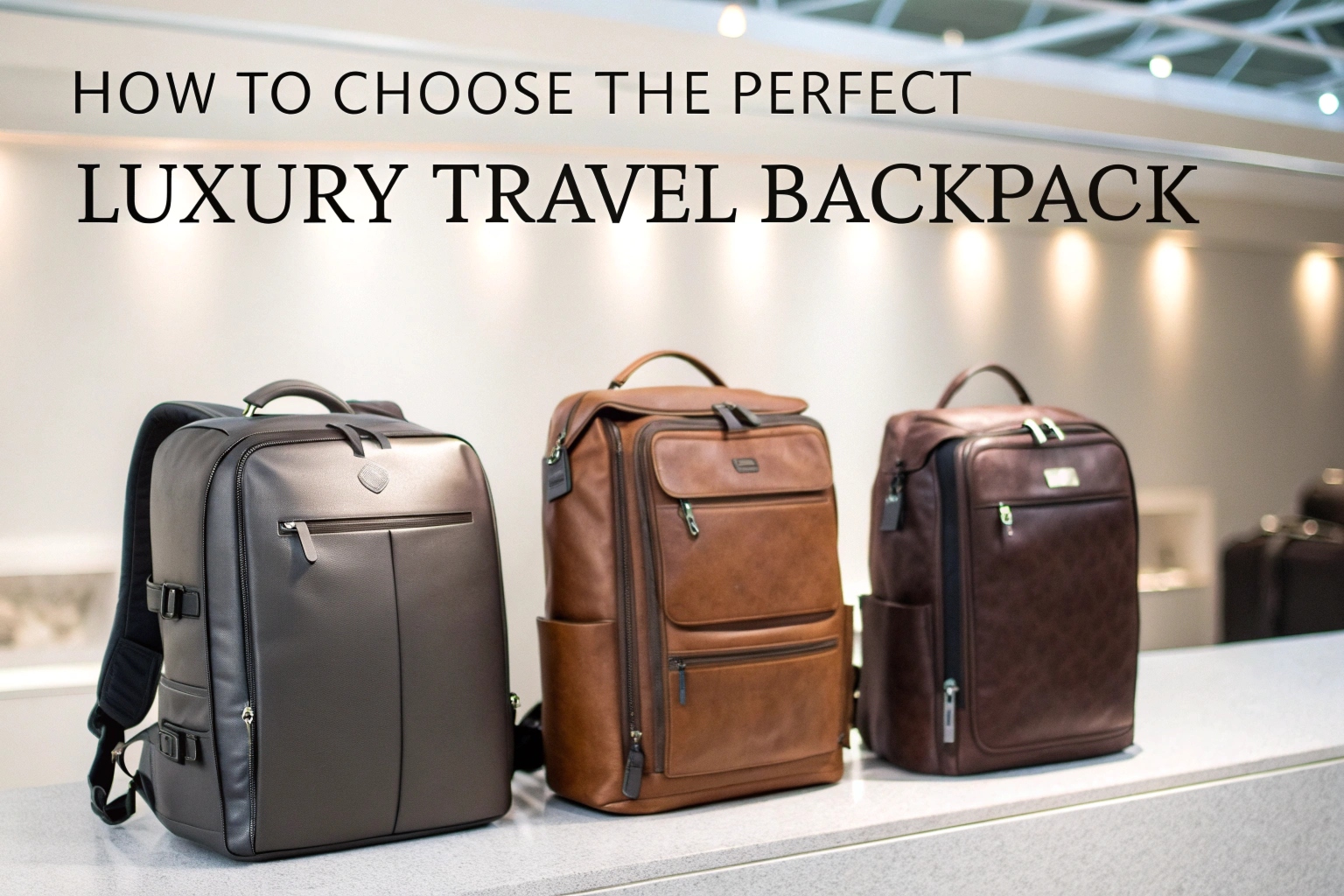
Are you ready to find a luxury travel backpack that fits your lifestyle, gear needs, and travel habits?
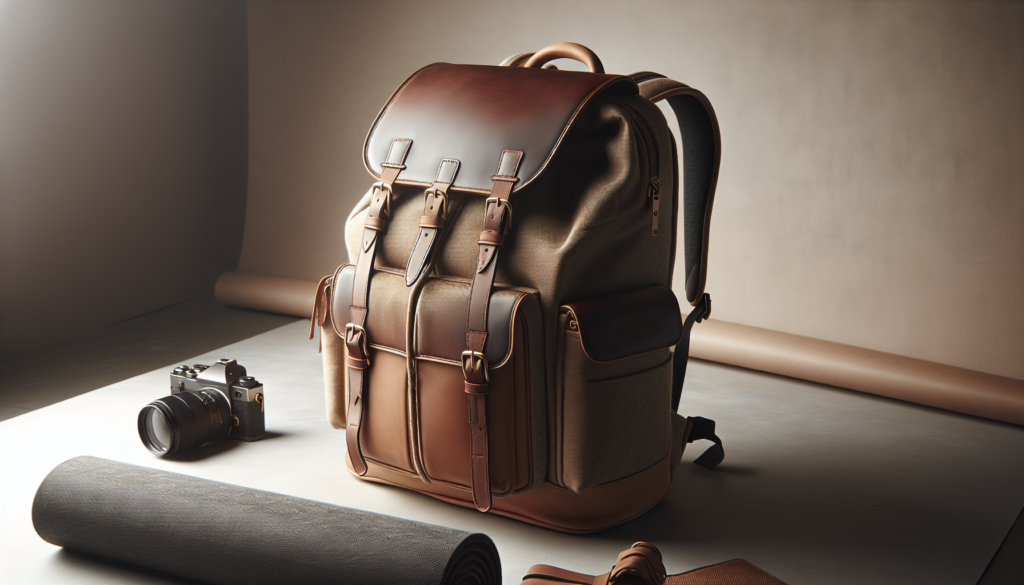
How To Choose The Perfect Luxury Travel Backpack
Choosing a luxury travel backpack is about much more than brand labels or a high price tag. You want a bag that looks great, lasts a long time, protects your items, and feels comfortable when you’re on the move.
Why choose a luxury travel backpack?
You prioritize quality, longevity, and details when you buy a luxury item, and a backpack is no different. A properly chosen luxury travel backpack will combine premium materials, refined hardware, and thoughtful organization so your trips become easier and more pleasant.
Who benefits from a luxury travel backpack?
If you travel frequently for business or pleasure, carry valuable tech, want something stylish for city travel, or simply prefer premium craftsmanship, a luxury travel backpack will likely repay its cost over time. You’ll also appreciate it if you want an item that transitions from airport to office or to an evening out without looking out of place.
What defines “luxury” in a travel backpack?
Luxury in a backpack means attention to detail, superior materials, and craftsmanship that improves durability and aesthetics. It also usually includes better warranties, thoughtful organization, and design touches that make everyday use more enjoyable.
Materials and fabrication
Luxury bags often use full-grain leather, high-denier nylon, Cordura, ballistic nylon, premium canvas, or refined synthetic blends. Stitching, edge finishing, and lining quality all matter as much as the outer material.
Hardware and zippers
High-end zippers (like YKK Excella or riri), metal hardware, and reinforced strap attachments are hallmarks of a luxury bag. They help the bag endure frequent use and look better longer.
Design and finishing details
Small details—like cut leather edges, hand-finished seams, hidden pockets, and branded hardware—communicate a higher level of craftsmanship. You’ll also see intentional design for function: external quick-access pockets, smooth opening clamshell designs, or integrated laptop sleeves.
Sizing and capacity: choosing the right volume
Picking the right size is the single most practical decision you’ll make. Too small and you’ll struggle to fit essentials; too large and you’ll carry wasted space and excess weight.
How to measure capacity
Backpacks are often described in liters. Think about the length of your trips:
- 15–20 liters: best for daily carry or minimalist day trips.
- 20–30 liters: ideal as a daypack or short overnight trips.
- 30–45 liters: good for multi-day trips when you pack light.
- 45+ liters: suitable for longer journeys or if you combine travel backpack with checked luggage alternatives.
Table: Typical Uses by Capacity
| Capacity (liters) | Typical Use |
|---|---|
| 15–20 L | Daily essentials, camera kit, urban commuting |
| 20–30 L | Weekend trips, carry-on personal item for light packers |
| 30–45 L | Short trips (3–7 days) for light packers, adventure travel |
| 45+ L | Longer trips, when you need more gear or plan to travel without checked luggage |
Carry-on limits and airline considerations
If you plan to use the bag as carry-on, check airline dimensions, not just liters. Most international carriers accept bags around 20–22 inches tall for overhead bins; others restrict personal items to smaller dimensions. A luxury backpack that converts between carry-on and daypack styles is particularly useful.
Fit and comfort: how the bag should perform on your body
Comfort often determines whether you’ll actually use the bag. A luxury bag can be well-padded, ergonomically shaped, and balanced to reduce strain.
Shoulder straps and back panels
Look for contoured shoulder straps with dense foam, breathable mesh, and tapered tops that allow free shoulder motion. Back panels should combine airflow channels with firm support, preventing the bag’s load from pressing directly against your spine.
Hip belts and load distribution
If you’ll carry heavy loads frequently, a hip belt transfers weight to your hips, reducing shoulder strain. Some luxury travel backpacks include detachable or hidden hip belts so you can choose between a sleeker look and better weight distribution.
Adjustable torso length and sternum straps
Luxury bags sometimes offer adjustable harnesses for torso length or customizable straps to fine-tune the fit. Sternum straps stabilize the shoulder straps and can be particularly helpful in windy conditions or when moving fast.
Organization and pockets: keeping your gear accessible
A thoughtful internal layout is one of the most valuable features in a luxury travel backpack because it saves time and protects fragile items.
Laptop and tech compartments
Look for a padded laptop sleeve that fits your device snugly but allows fast access at airport security. Many luxury backpacks include additional pockets for tablets, chargers, and small accessories.
Clamshell opening vs. top-loading
A clamshell (zip-around) opening gives suitcase-style access, which is excellent for packing and locating items quickly. Top-loading bags can be simpler and lighter but harder to organize. Decide which style meshes with how you pack and move.
Hidden and security pockets
Hidden pockets for passports, valuables, and cash are a common luxury feature. These are often placed on the back panel, behind the laptop compartment, or within a zipped internal compartment.
Durability and weather resistance: protecting your investment
A luxury travel backpack should last years, even with frequent use. Material choice and protective features determine how resilient the bag will be.
Fabric resistance and waterproofing
Ballistic nylon, high-denier Cordura, waxed canvas, and high-grade leather each offer different protection levels. Many luxury backpacks apply DWR coatings or laminate membranes to resist rain; full waterproofing often requires a roll-top or waterproof cover.
Material Comparison Table
| Material | Pros | Cons | Care |
|---|---|---|---|
| Full-grain leather | Timeless look, ages beautifully | Heavy, needs conditioning | Leather cleaner/conditioner |
| Ballistic/Cordura nylon | Extremely durable, lightweight | Can look utilitarian | Spot clean, occasional DWR reapply |
| Waxed canvas | Classic aesthetic, water-resistant | Can be heavier, patinas with use | Re-wax occasionally |
| Laminated synthetics | Waterproof, easy to clean | Less breathable, may crack over time | Wipe clean, avoid extreme heat |
Zippers and seam construction
Water-resistant zippers protect against moisture; double-stitching and reinforced seams prevent split seams at stress points. Check strap attachment points closely—those are often the first areas to fail on cheaper bags.
Security features for luxury travel
When you carry expensive electronics and documents, security becomes more than a convenience.
Lockable and hidden zippers
Lockable zippers and two-way pulls give you options to secure openings with small locks. Hidden zipper positions and panel placements can make it hard for pickpockets to access your valuables.
RFID-blocking pockets
If you’re concerned about digital theft, look for a pocket lined with RFID-blocking fabric that prevents unauthorized scans of passports and contactless cards.
Discreet design for low-profile travel
Luxury bags that don’t scream “expensive” can actually be more secure when you travel. Neutral colors and restrained branding reduce the chance of attracting attention from thieves.
Style and aesthetics: balancing fashion and function
Your bag should match your personal style while still serving its primary function. Luxury brands often manage to combine both.
Color and finish choices
Classic colors like black, navy, olive, or brown are versatile and timeless. Leather finishes, matte nylon, or waxed canvas each provide a different look—choose what fits your wardrobe and travel profile.
Brand identity vs. subtlety
Some brands are bold with logos; others are restrained. Think about whether you prefer a visible designer logo or a minimal design that emphasizes craftsmanship over branding.
Hardware specifics: what to check before buying
The small metal and plastic parts determine how well the bag works over time.
Buckles, clips, and swivels
Check that buckles open easily, clips don’t jam, and swivels allow natural movement. Metal hardware generally outlasts plastic but can add weight.
Zipper quality matters
Zippers are the most used parts of a backpack. Smooth action, robust teeth, and durable pulls avoid frustrating jams. Ask for brands or models that use premium zippers.
Tech integration and charging
If you rely on devices while on the go, tech features can make travel simpler.
External USB ports and charging pockets
Some luxury backpacks include an external USB charging port with an internal pocket for a power bank. This is convenient for charging while walking but check cable routing and pocket security.
Cable routing and headphone routing
Small openings for routing charger or headphone cables are thoughtful touches that prevent tangled cords and allow device use while keeping the bag closed.
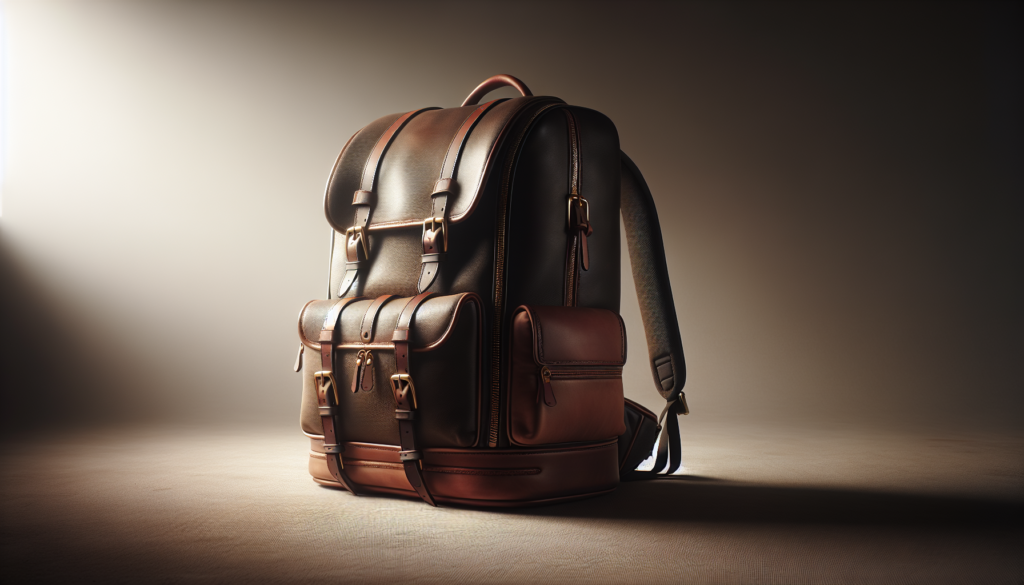
Care and maintenance: keeping your bag looking new
A luxury bag is an investment, and proper maintenance preserves its look and function.
Leather care
Use a pH-balanced cleaner and conditioner for leather; avoid harsh detergents. Treat stains quickly and keep leather away from prolonged direct sunlight when possible.
Fabric and hardware maintenance
For textiles, follow manufacturer instructions—usually spot clean with mild soap, reapply DWR treatments as needed, and avoid machine washing. Lubricate zippers with wax or specialized lubricants if they stiffen.
Storage when not in use
Store the bag in a breathable dust bag or pillowcase in a cool, dry place. Stuff the bag with tissue paper to maintain shape for long-term storage.
Warranty, repairs, and aftermarket service
Luxury brands often offer superior warranties and repair services, which can be a deciding factor.
What to expect from warranties
Look for warranties that cover manufacturing defects and hardware failures for multiple years. Lifetime warranties exist with some brands and indicate manufacturer confidence.
Repair networks and spare parts
Find out if the brand offers a repair service, replacement straps, or spare parts. A global repair network can be crucial if you travel internationally and need service.
Sustainability and ethical considerations
If sustainability matters to you, evaluate the brand’s sourcing, materials, and manufacturing practices. Many luxury brands are incorporating recycled materials, vegetable-tanned leathers, and ethical production transparency.
Material sourcing and traceability
Ask about where materials come from and how suppliers are audited. Vegetable-tanned leather, recycled synthetics, and responsibly sourced fabrics reduce environmental footprint.
Longevity as sustainability
Buying a well-made bag that lasts decades is one of the most sustainable choices you can make. Consider repairability and lifetime use when weighing eco-credentials.
Price vs. value: assessing whether a luxury backpack is worth it
Price alone isn’t the right measure—value comes from longevity, usability, and emotional satisfaction.
What justifies a higher price?
Premium materials, robust hardware, superior comfort, and extended warranties justify higher costs. The less tangible benefits include pride of ownership and the bag’s look as a part of your travel image.
When to save and when to invest
If you travel infrequently or carry minimal gear, a mid-range bag might be enough. Invest when you travel often, carry valuable items regularly, or want a bag that will last for years and look appropriate in professional settings.
How to test backpacks in-store or at home
Trying a bag before you buy is crucial when possible. Use these practical tests.
Pack it the way you travel
Bring the items you typically carry—laptop, charger, toiletry pouch, clothes—and load them into the bag. Check how items fit and how the bag balances when lifted.
Wear it and walk around
Adjust shoulder straps, sternum strap, and hip belt. Walk, bend, and simulate travel motions—stairs, boarding a bus—to assess comfort.
Open and close everything
Zip and unzip all compartments, test the laptop sleeve’s accessibility, and examine pocket placement for convenience. Make sure the zippers move smoothly with a full load.
Packing tips for your luxury travel backpack
A well-packed bag improves comfort and access to essentials.
Use packing cubes and compression
Packing cubes keep clothing tidy and make changing itineraries simpler. Compression cubes reduce bulk and help you fit more without overstuffing the bag.
Keep heavy items close to your back
Place heavier items like laptops and shoes near your back to maintain stability. Light items and soft clothing can go toward the outer parts of the pack.
Quick-access items
Store passports, boarding passes, snacks, and a small water bottle in external or top pockets for fast access while moving through transit points.
Accessories that complement a luxury travel backpack
The right accessories can tailor a bag to your travel style and further protect your investment.
Rain covers and protective sleeves
Even water-resistant bags benefit from rain covers during heavy storms. Laptop sleeves add extra protection and are useful when you want a sleeker look in meetings.
Packing organizers and tech pouches
Dedicated pouches for chargers, batteries, and cables keep things tidy and avoid scratching electronics. Leather valet trays or small pouches are useful for daily carry items.
Strap extenders and luggage straps
If you carry larger loads or need to attach extra gear, strap extenders or compression straps help secure items. A luggage pass-through lets you mount the backpack on a rolling suitcase for easier airport navigation.
Brand selection and where to buy
Choosing a brand depends on your priorities: aesthetics, reputation, warranty, or fit.
Trusted luxury brands
Notable brands that consistently produce premium travel backpacks include Tumi, Montblanc, Bottega Veneta, Prada, Gucci, and some specialized manufacturers that blend technical performance with luxury materials. Each brand has different strengths—some emphasize business travel, others fashion or rugged durability.
Buying channels: boutiques, department stores, and official online shops
Buy from authorized retailers to ensure authenticity and warranty coverage. Trying in-store lets you test fit; buying online is convenient if returns and warranty coverage are clear.
Common mistakes to avoid
Avoid impulse purchases, choosing style over fit, and ignoring warranty terms. A luxury bag that doesn’t fit or meet your needs will quickly feel like a poor investment.
Overbuying size
Buying a bag that’s bigger than you need can encourage overpacking and unnecessary strain. Pick a size appropriate for most of your trips.
Ignoring comfort for looks
A beautiful bag that hurts your shoulders will rarely get used. Always prioritize comfort and ergonomic fit.
Quick checklist before you buy
Table: Pre-purchase Checklist
| Question | Why it matters |
|---|---|
| Does it fit your laptop/tablet? | Protects devices and ensures easy access |
| Is the carry capacity right for typical trips? | Prevents overpacking or undercapacity |
| Are the straps and back panel comfortable? | Determines daily wearability |
| Is the bag durable and weather-resistant? | Protects your investment and contents |
| Does it have secure pockets for valuables? | Reduces theft risk |
| Does it come with a good warranty? | Ensures long-term value and support |
| Is the brand transparent about materials/production? | Aligns with sustainability values |
| Can you test the bag loaded before purchase? | Confirms fit and usability |
Final thoughts and next steps
A luxury travel backpack is a long-term companion. When you choose carefully—considering materials, fit, organization, and after-sales support you’ll have a bag that serves well in airports, meetings, and city streets. Take time to test options, focus on how you travel, and prioritize comfort and protection over brand name alone. Use the checklist above to make a confident purchase that will make travel easier and more stylish for years to come.