

Want to arrive refreshed, relaxed, and ready to enjoy your destination instead of feeling cramped and exhausted after a long bus ride?
How To Maximize Comfort On Your Luxury Bus Journey
A luxury bus can be an incredibly comfortable way to travel if you plan ahead and use the amenities smartly. This guide shows you how to make the most of the space, services, and small conveniences so your trip feels smooth and restful from start to finish.
Why comfort matters on a luxury bus
Comfort affects how you feel at your destination, how productive you can be en route, and how much you enjoy the journey itself. Even on a premium service, small choices—seat selection, packing, and timing—can transform your experience. This section explains the benefits of paying attention to comfort so you can prioritize what matters to you.
Before You Book: Planning for comfort
A great journey begins with good decisions before you step on board. Booking smart means choosing the right service, timing, and extras to match your needs.
Choose the right bus service and class
Different operators and classes offer different levels of recline, legroom, onboard features, and privacy. Compare amenities like Wi-Fi reliability, power outlets, onboard restrooms, and meal options. Make your choice based on what will help you rest, work, or socialize comfortably.
Timing your trip for comfort
Some times of day are naturally more comfortable for travel. Early morning and late evening departures can mean less traffic and cooler temperatures on board. If you’re sensitive to noise or light, consider overnight trips that let you sleep through most of the journey.
Consider direct routes vs. transfers
Fewer transfers and stops mean more uninterrupted rest. If comfort and sleep are priorities, opt for direct routes even if they cost a bit more. A direct route reduces the chance of delays and the hassle of moving between vehicles.
Selecting the best seat
Your seat choice can be the difference between a restful trip and a restless one. Pay attention to location, configuration, and additional features.
Front vs. rear seats
Front seats offer smoother rides and earlier boarding and disembarkation, while rear seats can sometimes feel bumpier but may have more reclining options. Think about whether you prefer smoother motion or more privacy and select accordingly.
Window vs. aisle seats
A window seat gives you a place to lean and a view. An aisle seat allows easier access to the restroom and stretching opportunities. Consider which comfort factors—leaning to sleep or moving freely—matter more to you.
Seats with extra legroom and recline
If you’ll be on the bus for several hours, pay extra for a seat with increased legroom and deeper recline. These seats reduce pressure on your lower back and help you stretch out. If available, premium or business-class seats are worth the upgrade for long trips.
Seat comparison table
| Seat Type | Best for | Pros | Cons |
|---|---|---|---|
| Window | Resting/sleeping | Leaning support, view, less foot traffic | Harder to access aisle/restrooms |
| Aisle | Movement and convenience | Easy restroom access, stretch opportunities | More foot traffic, less privacy |
| Front | Smooth ride, quick exit | Less motion, earlier exit | Can be near the driver, possible light exposure |
| Rear | Privacy, sometimes more recline | Less disturbance from boarding | Can feel bumpier |
| Business/Premium | Max comfort | Extra recline, more legroom, fewer passengers | Higher cost |
Pack for comfort: what to bring and what to leave
Smart packing keeps your essentials accessible and prevents clutter that can make your space less pleasant.
Your carry-on essentials
Pack a small bag with what you’ll need during the journey: noise-canceling headphones, an eye mask, a travel pillow, a thin blanket or large scarf, chargers, hand sanitizer, tissues, lip balm, and snacks. Keep this bag under the seat or in the overhead so you can reach items without getting up.
Clothing for comfort
Choose breathable, layered clothing so you can adjust to changing temperatures. Soft fabrics and stretchy pants are ideal. Slip-on shoes make it easier to get on and off the bus and to remove shoes for better comfort.
Toiletries and hygiene items
Bring travel-size toiletries: toothbrush, toothpaste, facial wipes, deodorant, moisturizer, and any necessary medications. These small rituals can refresh you midway through the trip and help you feel human again after long hours.
Electronics and entertainment
Load up your devices with content before boarding. Download movies, music, podcasts, and e-books because Wi-Fi can be unreliable. Bring a portable charger, and consider noise-canceling headphones for focus or rest.
Packing checklist table
| Item | Why it matters |
|---|---|
| Travel pillow | Neck support for sleeping |
| Lightweight blanket or scarf | Warmth and comfort |
| Noise-canceling headphones | Block noise, improve sleep |
| Eye mask | Blocks light for better rest |
| Chargers & power bank | Keep devices alive |
| Snacks & water bottle | Saves money and prevents hunger |
| Toiletries | Mid-trip refreshment |
| Medications | Essential health needs |
| Slip-on shoes & socks | Comfort and convenience |
Onboard sleep strategies
Sleeping on a bus requires preparation and a bit of strategy. Use your environment and tools to create the best possible sleep conditions.
Create a sleep routine
Establish a quick routine before you try to sleep—brush your teeth, put on an eye mask, play calming music. Consistently repeating the same steps signals your body that it’s time to rest.
Optimize your seating position
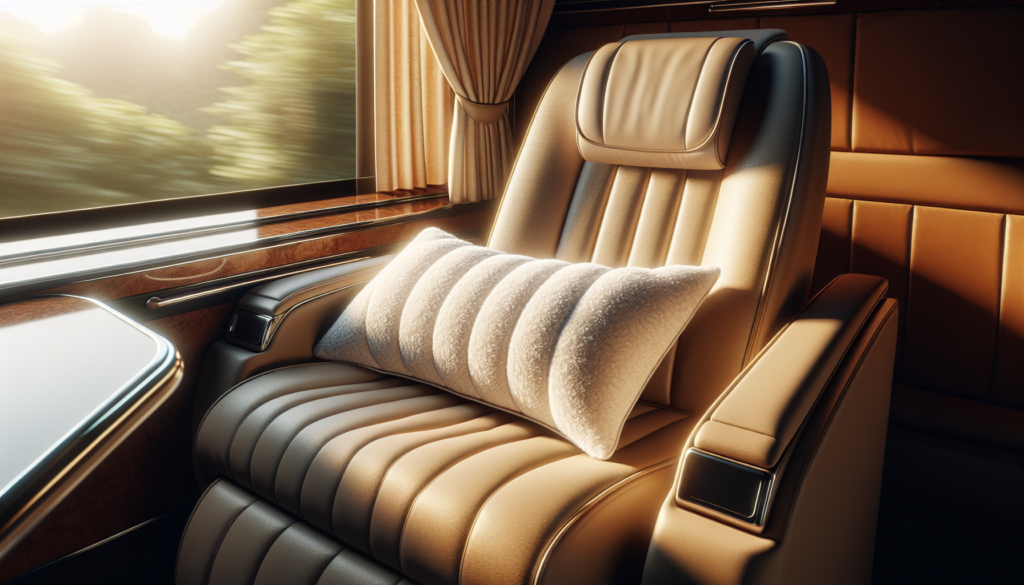
Lean against the window if you’re in a window seat or use a small pillow to support your lower back if you’re in an aisle. Slightly elevate your legs if possible to reduce swelling and improve circulation. Recline gradually and avoid staying in one rigid position for hours.
Use noise and light control
Noise-canceling headphones are a premium tool. If you don’t have them, earplugs and a white-noise app can help. An eye mask makes a big difference by blocking cabin lights and passing streetlight.
Eating and drinking comfortably
Your food and hydration choices affect how you feel physically and mentally during the trip.
Stay hydrated, but plan restroom breaks
Drink water regularly but in small amounts so you’re comfortable and don’t need frequent restroom visits. Avoid excessive caffeine and alcohol; they can dehydrate you and interfere with sleep.
Choose food for steady energy
Select light, balanced snacks and meals—lean protein, complex carbs, and healthy fats—to avoid sugar crashes. Avoid overly greasy or spicy food which can cause indigestion in a confined space.
Snacks to pack
Pack easy, non-perishable snacks like nuts, dried fruit, protein bars, whole-grain crackers, and fresh fruit (apples or bananas). These are filling and less likely to create odors that bother others.
Managing motion sickness and discomfort
If you’re prone to motion sickness, preparation can prevent a miserable experience.
Seating and positioning for motion sickness
Sit where motion is least noticeable—toward the front or over the wheels—and face forward. Keep your eyes on a fixed point or the horizon if you can see it.
Remedies and prevention
Over-the-counter remedies like dimenhydrinate or meclizine work for many people; start them before you board. Ginger in candied or capsule form can help, as can acupressure wristbands. Avoid reading or looking at screens for long periods if you feel queasy.
Simple breathing and relaxation techniques
Slow, deep breathing and focused relaxation can reduce nausea. Practice 4-4-8 breathing: inhale for 4, hold for 4, exhale for 8. This reduces stress and gives your inner ear a little reset.
Using onboard amenities effectively
Luxury buses come with features that can significantly enhance comfort when you use them correctly.
Power outlets and charging
Bring a short, multiport charging cable and a small power bank. Plug in seat-side when available, but keep a charged power bank for emergency top-ups. Don’t rely solely on shared power sources during peak boarding times.
Wi-Fi and connectivity
Test the bus Wi-Fi early in the trip for necessary updates, but plan offline entertainment because streaming can be slow. Use a VPN if you need secure browsing and avoid sensitive transactions on public networks.
Restrooms and hygiene
Use the restroom before you board and again early in the journey to avoid crowding later. Carry small items like hand sanitizer and disinfectant wipes to clean surfaces like tray tables and armrests.
Seat controls and privacy dividers
Understand the seat controls—recline limits, footrest adjustments, and lumbar supports. Use privacy dividers or curtains respectfully when available to create a small personal zone.
Etiquette that boosts your comfort and others’
Being thoughtful about fellow passengers creates a quieter, more pleasant atmosphere for everyone.
Keep noise to a minimum
Use headphones for audio and keep devices on low volume. If you need to talk, speak quietly. This courtesy makes it easier for everyone to rest or concentrate.
Manage your footprint
Store your belongings neatly under the seat or in the assigned overhead space so aisles stay clear. Avoid putting feet on empty seats or the backrest in front of you.
Food and odor considerations
Choose low-odor foods on long trips and be mindful of strong-smelling items. If you eat something aromatic, offer to share or ask nearby passengers if they mind.
Respecting personal boundaries
Ask before reclining fully if the person behind you looks uncomfortable. Use your reading light instead of overhead lights when you’re awake while others sleep.
Health and safety on board
Comfort is linked to safety and health. Prepare for common issues and understand emergency procedures.
Know emergency exits and procedures
When you board, note the nearest exits and the location of safety equipment. Understanding basic protocols reduces anxiety and helps you respond quickly if needed.
Prevent circulatory problems
On long trips, stand and walk during stops and do ankle rolls and calf stretches while seated. Compression socks can help prevent swelling and deep vein thrombosis on extended trips.
First aid and medicines
Keep essential medications accessible and carry a small first-aid kit with adhesive bandages, pain relievers, motion sickness tablets, and antiseptic wipes. Inform staff if you have a serious medical condition.
Temperature and climate control
Cabin temperatures can vary—preparing for changes keeps you comfortable.
Layering clothing and using blankets
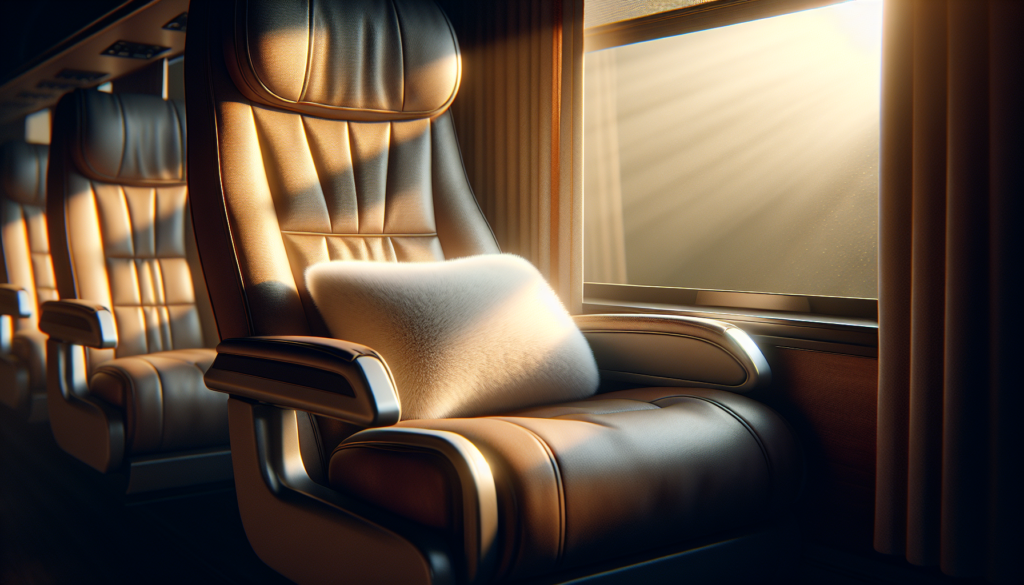
Layering is the easiest way to manage temperature swings. A lightweight blanket or large scarf keeps you comfortable without taking up much space.
Adjusting to sudden temperature changes
Carry a thin hoodie or zip-up sweater to quickly adapt to cooler air conditioning. If you’re really cold, request a blanket from staff if the bus provides them.
Making the most of stops and breaks
Breaks are opportunities to stretch, refresh, and prepare for the next leg of your journey.
Efficient use of restroom stops
Use restroom stops for stretching, brushing teeth, and washing your face. Take advantage of these breaks rather than waiting for emergencies, which reduces stress.
Quick stretches and movement
Do easy stretches like neck rolls, hamstring stretches, and calf raises at stops. Moving keeps blood flowing and reduces stiffness and soreness on arrival.
Food and legroom during stops
Top off water bottles, get fresh air, and buy light food if needed—avoid heavy meals right before getting back on the bus.
Valuables and security
Keeping belongings safe reduces anxiety and helps you relax.
Keep important items on you
Store passports, travel documents, wallets, electronics, and medications in a small personal bag zipped and kept at your feet or under the seat. Consider anti-theft bags for crowded terminals.
Luggage labeling and secure storage
Label checked luggage clearly and use locks for peace of mind. Double-check where your bag is stored before disembarking and consider taking a photo of the storage area.
Using lockers or overhead storage
If you use overhead storage, place less valuable items on top and keep essentials with you. Avoid storing fragile or temperature-sensitive items overhead.
Accessibility and Functional needs
If you have special requirements, advance planning ensures a comfortable trip.
Communicate needs ahead of time
Inform the operator about mobility aids, dietary needs, or service animals when you book. That allows staff to make appropriate arrangements.
Request assistance during boarding and disembarkation
Ask for help with heavy luggage or with boarding if there are steps. Most operators train crews to assist passengers with mobility needs.
Seating and aisle accessibility
If you need extra space, book seats with more legroom or aisle access. Clarify any transfer or wheelchair storage policies before traveling.
Technology and apps that enhance comfort
Use technology to make the journey more pleasant and less stressful.
Booking and seating apps
Many operators have apps that let you choose seats, view route progress, and receive updates. Use these to ensure your seat preferences are honored.
Entertainment and productivity tools
Download offline files, playlist apps, and reading apps before departure. If you need to work, bring a laptop stand and a compact mouse for better ergonomics.
Health and sleep tracking apps
Use sleep or meditation apps to help you relax. Activity reminders can prompt you to move on long trips.
Dealing with delays and disruptions
Delays happen. Being prepared keeps discomfort from turning into frustration.
Maintain your comfort kit
Keep essentials accessible: water, snacks, medications, a blanket, and chargers. These items make delays significantly more bearable.
Stay informed and flexible
Check the operator’s updates and ask staff for timelines and alternatives. If a delay is extended, consider whether switching to a different route or service better preserves your comfort.
Adapt your schedule
If you can, plan buffer time around your trip so delays don’t ruin downstream plans. That reduces anxiety and keeps the journey manageable.
Sustainable and considerate travel habits
Comfort and sustainability often go hand in hand. Small choices improve your experience and that of others.
Minimize waste and odors
Use reusable water bottles and containers to cut down on trash. Avoid bringing strong-smelling foods that might make fellow passengers uncomfortable.
Respect the cabin environment
Keep your space tidy, dispose of trash properly, and use provided recycling points when available. A clean cabin feels more comfortable and makes the trip pleasant for everyone.
Frequently Asked Questions
Provide concise answers to common concerns that help you plan and act confidently.
Can you sleep comfortably on a luxury bus?
Yes, with the right seat, a travel pillow, eye mask, and minimal light and noise, you can sleep well. Choose seats with more recline and minimal foot traffic.
Is it safe to charge devices onboard?
Generally yes, but bring your own power bank as backup. Avoid accessing sensitive accounts on public Wi‑Fi.
What if I have motion sickness?
Sit toward the front, face forward, use ginger or medication, and avoid screen time while symptoms last.
How much luggage can you bring?
Policies vary. Check the operator’s baggage allowance before you travel and label everything for easy identification.
Are food and drink allowed onboard?
Most luxury buses allow food and bottled water. Be mindful of strong odors and messy foods.
Final checklist before you board
A short checklist prevents common mistakes and helps you travel comfortably.
- Confirm your seat and boarding time.
- Pack your comfort kit: pillow, blanket, eye mask, headphones, chargers.
- Bring snacks, water, and any medications.
- Wear layered, comfortable clothing and slip-on shoes.
- Charge all devices and download entertainment.
- Note emergency exits and staff contact details.
You’ll reach your destination in better shape if you prepare thoughtfully and make small choices that prioritize rest, hygiene, and a calm environment. With a few easy habits and the right gear, your luxury bus journey can be as enjoyable and restorative as the stay at your destination. Safe travels and may your next trip be your most comfortable yet.