

Are you ready to transform the way you travel by investing in a quality luxury travel backpack?
Travel gear can change how comfortable, efficient, and enjoyable your trips are. A luxury travel backpack isn’t just a fashion statement it’s an investment in convenience, durability, and long-term satisfaction. Below you’ll find a detailed guide that explains why a high-end travel backpack is worth the cost, how to choose the right one, and how to get the most value from your purchase.
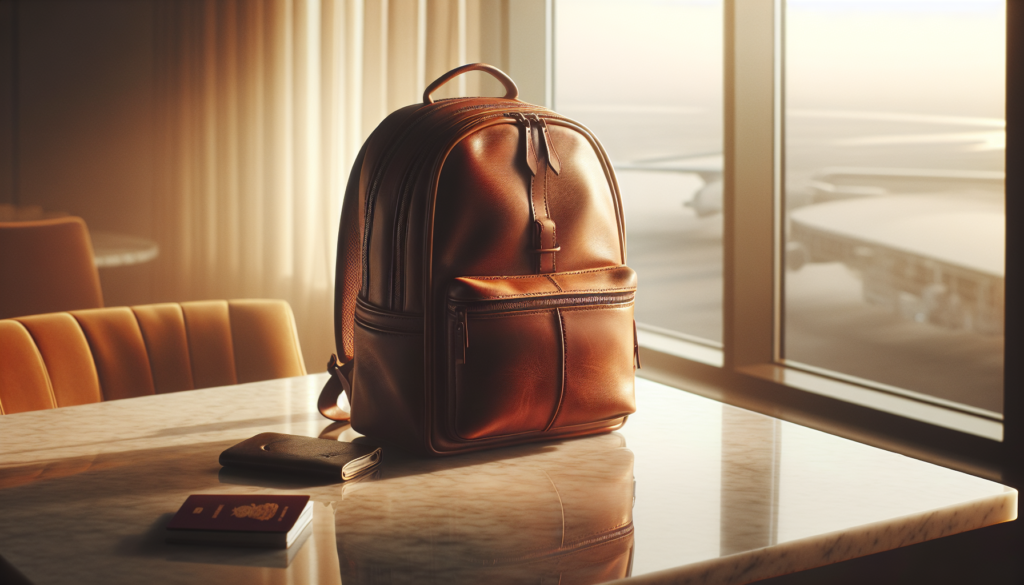
What is a luxury travel backpack?
A luxury travel backpack combines premium materials, refined construction, and thoughtful design to provide superior performance and aesthetics. It often includes higher-grade fabrics (like ballistic nylon or full-grain leather), advanced ergonomic systems, and premium hardware that lasts longer and performs better than mass-market alternatives.
When you buy a luxury travel backpack, you’re purchasing a blend of functionality and style created to handle frequent travel while looking polished whether you’re at the airport, a client meeting, or a weekend getaway.
Why a luxury travel backpack matters
Investing in upgraded luggage is about more than brand name — it’s about convenience, reliability, and enjoyment on every trip. High-quality materials reduce wear, better zippers minimize failures, and superior organization saves you time and stress.
You’ll notice the difference from your very first trip: smoother carry, faster access to essentials, and fewer maintenance headaches. Those small benefits compound over time, making the backpack feel worth the upfront cost.
Top reasons to invest in a quality luxury travel backpack
Below are the main reasons travelers choose to pay more for a premium backpack. Each reason contributes to an overall better experience and reduces friction during travel.
Durability and long-term reliability
A luxury backpack uses stronger fabrics, reinforced stitching, and heavy-duty hardware designed to last. Compared with cheaper bags that fray, tear, or lose structure quickly, a high-quality backpack will remain structurally sound for years.
When you travel often, durability translates to fewer replacements, fewer repairs, and less environmental waste. Over time the premium materials and workmanship often deliver a better return on investment.
Superior comfort and ergonomics
High-end backpacks include ergonomic features like contoured shoulder straps, memory-foam back panels, and fully adjustable suspension systems. These features reduce fatigue and strain during long walks through airports or city streets.
You’ll appreciate the difference when carrying heavier loads or wearing the bag for long periods. Comfort translates directly to more enjoyable travel and fewer aches afterward.
Thoughtful organization and accessibility
Luxury designs focus heavily on intuitive organization — dedicated laptop compartments, fleece-lined pockets for sunglasses, quick-access pockets for boarding passes, and modular dividers. This makes packing systematic and retrieving items fast.
Spending less time rummaging through your bag reduces stress and lets you stay focused on plans, meetings, or sightseeing.
Enhanced security and peace of mind
Premium backpacks often come with locking zippers, hidden compartments, and integrated anti-theft features. Some use cut-resistant straps and water-resistant or lockable openings that increase security during trips in crowded places.
By reducing the chance of theft or accidental loss, you feel more at ease and can concentrate on the experience instead of worrying about belongings.
Professional look and personal style
A luxury travel backpack elevates your appearance and complements professional attire. Whether you’re headed to a business meeting or an upscale hotel, a refined backpack projects competence and attention to detail.
This isn’t just vanity — professional-looking gear can influence first impressions and interactions during business travel.
Protection for electronics and fragile items
Premium backpacks include padded, rigid, or suspended laptop compartments and dedicated pockets for cameras, tablets, and other fragile items. The internal layout minimizes impact and vibration.
If you carry expensive tech or delicate gear, this protection alone can justify the investment.
Warranty, repairs, and customer service
High-end brands frequently offer longer warranties and dependable repair services. Some companies will repair zippers, replace worn straps, or provide lifetime support, ensuring your investment remains functional.
This customer service reduces long-term ownership costs and ensures quick fixes when minor issues arise.
Adaptability and multi-purpose use
Luxury travel backpacks are designed to handle many roles: carry-on for flights, carry for daily commuting, and pack for weekend adventures. They typically include configurable elements that let you change the bag’s setup for different trips.
You get a single piece of gear that works reliably across many scenarios, reducing the need to buy multiple bags.
Long-term cost efficiency
While the initial cost is higher, a premium backpack’s lifespan and performance can deliver better value over time. Avoiding frequent replacements, repairs, and lost items adds up to savings.
You also save on time — quicker packing and easier access means less time waiting and less stress managing your belongings.
Sustainability and responsible manufacturing
Many luxury brands use higher-quality materials and responsible manufacturing practices. Some offer repairable designs and use recycled or ethically sourced materials, which helps reduce environmental impact.
If you care about sustainable consumption, selecting a durable, repairable luxury backpack aligns with long-term reduction of waste.
Resale value and timeless design
High-quality bags maintain value better than cheap alternatives. If you ever decide to sell or trade, a well-made backpack from a reputable brand typically fetches a better resale price.
Timeless designs also mean your bag won’t look dated after a few seasons.
Comparative table: luxury vs budget travel backpacks
This table summarizes how luxury backpacks compare to budget options across key categories.
| Feature | Luxury Backpack | Budget Backpack |
|---|---|---|
| Materials (fabric/trim) | Ballistic nylon, full-grain leather, weatherproof coatings | Polyester or thin nylon, faux leather |
| Hardware (zippers, buckles) | YKK/metal, robust, repairable | Low-grade zippers, plastic buckles |
| Comfort (straps/back panel) | Contoured, ventilated, adjustable suspension | Thin padding, minimal adjustment |
| Organization | Multiple specialized pockets, modular design | Few compartments, generic pockets |
| Security | Lockable zippers, hidden pockets, cut-resistant materials | Basic zippers, exposed pockets |
| Warranty/Service | Often long warranties and repair services | Limited warranties, replacements often required |
| Weight | Optimized balance, sometimes heavier but structured | Lightweight but less supportive |
| Lifespan | Years of regular use | 1–3 years with heavy use |
| Resale value | Higher, retains value | Low, depreciates quickly |
| Price | Premium (higher upfront cost) | Low to moderate |
How to choose the right luxury travel backpack for you
Selecting the perfect backpack depends on your travel style, body type, and priorities. Below are key factors and what to consider for each.
Define your travel needs
Think about trip length, types of travel (business vs leisure), and what you usually carry. Do you travel with photography equipment, business gear, or just clothes and toiletries?
Clear priorities help you choose the right capacity, compartments, and protective features.
Choose the right capacity
Backpacks range from small daypacks to large travel packs. Consider these guidelines:
- 15–20 liters: Day trips, minimal carry for city outings.
- 20–30 liters: Commuting, carry-on with essentials, good for organized day packing.
- 30–45 liters: Main carry-on for minimalists or a weekend bag for well-organized packers.
- 45+ liters: Multi-day or extended trips where you expect to carry more.
Use the table below to match capacity to use cases.
| Capacity | Best for | Typical use |
|---|---|---|
| 15–20 L | Daypack | City touring, light commuting |
| 20–30 L | Commuter/carry-on | Laptops, work essentials, short flights |
| 30–45 L | Weekend/extended carry-on | Clothes for 2–5 days, camera gear |
| 45–60 L | Travel/expedition | Longer trips, combined with packing cubes |
| 60+ L | Backpacking | Multi-week trips, soft packing |
Check carry-on and airline compatibility
If you like to avoid checked baggage, pick a backpack that meets common carry-on dimensions. Measure external dimensions and compare with airlines you use frequently, since sizes can vary.
A bag that reliably fits overhead compartments saves you time and baggage fees.
Inspect materials and construction
Look for high-denier fabrics, weatherproof coatings, and reinforced seams. Quality zippers (e.g., YKK) and metal hardware usually last longer.
If possible, check stitch density, edge finishing, and how zippers are secured — these details indicate durability.
Evaluate comfort features
Test shoulder straps, sternum straps, and hip belts for adjustability and comfort. Back panels with airflow channels reduce sweating on long walks.
Remember: a comfortable fit depends on your torso length and body shape, so adjust the bag to your measurements.
Look for practical organization
Make sure the bag has specific pockets for your laptop, chargers, passport, and small items. Quick-access pockets on the front or top are excellent for items you need during transit.
Modular interior options allow you to configure the bag depending on trip type.
Prioritize security options
Hidden pockets and lockable zippers are great for urban travel. Some backpacks include RFID-blocking pockets for passports and cards.
If you travel to crowded places, these features can help prevent theft and unauthorized scanning.
Choose quality suspension and frame
Internal frames and load-lifter straps help distribute weight. If you carry heavy loads, select a backpack with a supportive suspension system and a hip belt.
For minimal packing, a lightweight but structured pack may suffice; for heavier loads, prioritize suspension.
Consider weather resistance
Water-resistant fabrics and taped seams help keep contents dry in rain. For heavy rain, an integrated rain cover is useful.
Waterproof zippers on sensitive compartments protect electronics from moisture.
Evaluate warranty, repairs, and service
Brand support matters. Choose companies that provide clear warranties and offer repairs or parts replacements. That support extends the lifespan of your backpack.
Read warranty terms to understand what’s covered and for how long.
Design features that matter most
Here’s a closer look at the design elements that will impact your day-to-day experience.
Zipper quality and placement
Robust zippers resist snagging and are less likely to fail. Look for double-stitching around zipper areas and protective storm flaps to keep moisture out.
Zipper placement affects access: clamshell openings give suitcase-like access, while top-loading designs are more secure but less accessible.
Laptop and tech compartments
A padded, TSA-friendly laptop compartment that opens flat makes security checkpoints easier. Check the compartment’s size to ensure your device fits snugly.
Separate pockets for chargers, mice, and external drives keep cords from tangling and protect gear.
External access pockets
Quick-access pockets for phone, sunglasses, or boarding passes save you time. Side water bottle pockets and front stash pockets are practical for frequent use items.
Hidden security pockets are ideal for passports, cash, or small valuables.
Compression straps and expansion
Compression straps stabilize the load while expansion zippers increase capacity for bulkier items. This flexibility is helpful for trips with variable packing needs.
Be mindful that expansion can affect carry-on compliance on tighter airlines.
Hip belt and load distribution
A padded hip belt transfers weight from your shoulders to your hips, making heavy loads comfortable. Removable hip belts add versatility when you don’t need maximum support.
Load-lifter straps help fine-tune weight balance to reduce downward pull on your shoulders.
Removable packing systems and modular inserts
Some luxury backpacks offer camera cubes, toiletry kits, or modular dividers that you can use as needed. This adaptability helps you use the bag for different trips.
Modular inserts also protect sensitive gear and keep things organized.
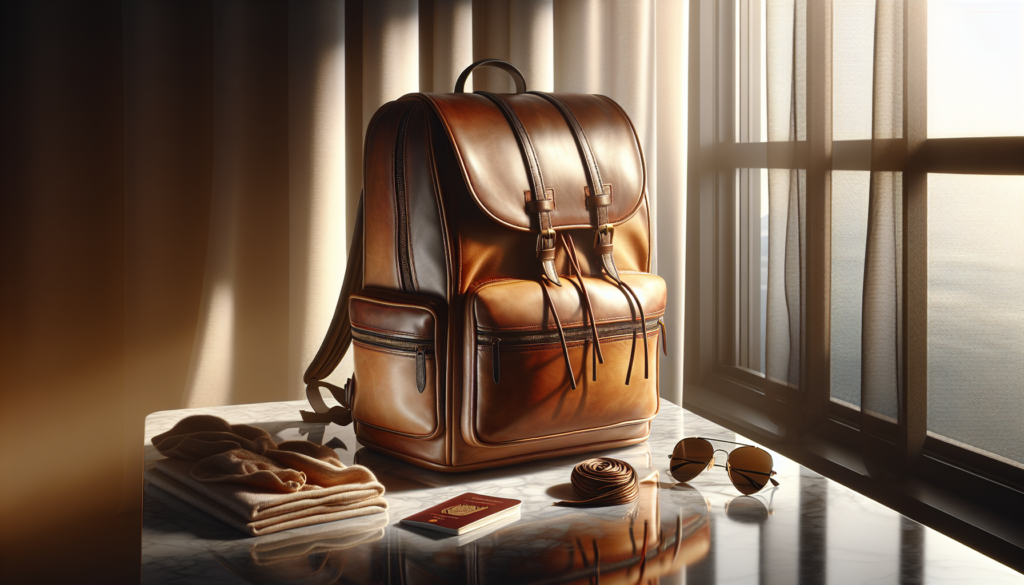
Practical packing strategies for your luxury backpack
Good packing habits amplify the benefits of a well-made backpack. Use these strategies to keep things organized and protected.
Use packing cubes and pouches
Packing cubes compress clothing and separate categories (shirts, underwear, tech). Pouches help keep chargers and cables organized and prevent fraying.
Label or color-code cubes for fast access by item type.
Protect fragile items
Wrap fragile gear in padded pouches or dedicated compartments, and avoid placing heavy items on top of electronics. Place liquids in sealed pouches to prevent leaks.
Distribute weight evenly to avoid pressure points that could damage fragile items.
Keep essentials accessible
Put travel documents, a small toiletry kit, and electronics in a top or front pocket you can access quickly. Keep a spare reusable bag or collapsible tote for day use.
A slim emergency kit with pain relievers, bandages, and a small sewing kit can be added to a quick-access pocket.
Balance weight and comfort
Put heavier items close to your back and centered to improve balance. Use compression straps to reduce load movement.
Test the packed bag before travel to ensure comfort and make adjustments for weight distribution.
Care and maintenance to extend lifespan
Proper maintenance keeps your backpack functioning and attractive for years. Use these tips to preserve your investment.
Cleaning and fabric care
Spot-clean dirt with a soft brush and mild soap. For fabric backpacks, avoid machine washing unless the manufacturer allows it. For leather components, use a leather cleaner and conditioner suited to the material.
Always remove contents and follow manufacturer care instructions to avoid shrinkage or damage.
Zipper and hardware maintenance
Lubricate zippers occasionally with a silicone-based product to keep them sliding smoothly. Check buckles and straps for wear and replace components when needed.
If a zipper jams, carefully work it free rather than forcing it; forcing can break teeth.
Storage between trips
Store your backpack empty and in a cool, dry place. For leather or coated fabrics, use breathable covers rather than sealed plastic to prevent moisture buildup.
Avoid compressing the bag for long periods to preserve structure.
Repairs and when to seek professional help
Small tears, broken buckles, and zipper issues can often be repaired. Use authorized repair services to maintain warranties and ensure quality workmanship.
If the damage is beyond DIY capacity, professional repair saves money vs replacing the entire backpack.
Cost vs value: how to justify the investment
You might question whether the extra expense is justified. Consider these points to see the bigger picture.
Calculate lifetime cost
Compare how many years you expect the bag to last against the number of cheap backpacks you’d replace in that time. Factor in repairs, replacements, and time lost to failures.
Often a luxury backpack with a good warranty ends up cheaper per year than multiple low-cost purchases.
Value of time saved and stress reduced
Time delays and stress from rummaging through poor organization or dealing with broken zippers add up. An efficient backpack saves time during transit, boarding, and security checks.
You’ll also experience less travel anxiety when you trust your gear to protect valuables.
Impact on personal brand and professional presence
If you travel for business, a polished bag impacts how people perceive you. Presenting professional gear can subtly enhance credibility during meetings and networking.
That intangible benefit can be worth the cost if it helps open doors or impressions in professional contexts.
Common myths about luxury backpacks
There are misconceptions that can mislead buyers. Here are a few common ones and the real truth.
Myth: Luxury backpacks are just about logo and status
Many premium backpacks deliver practical improvements in materials, construction, and design. The performance and durability advantages are tangible, not just branding.
You get longevity and functional benefits that budget alternatives often lack.
Myth: They’re too heavy because of materials
While some luxury materials add weight, good design balances durability and comfort. Many premium packs use lightweight, high-strength fabrics that reduce overall weight without sacrificing protection.
Prioritize fabrics and suspension designed to optimize weight distribution.
Myth: Expensive is always better
Price doesn’t guarantee a perfect fit for your needs. Some mid-range backpacks offer great performance for specific uses. Evaluate features and fit, not only price.
Try backpacks on and compare features to choose what truly aligns with your travel habits.
Frequently asked questions (FAQs)
This brief FAQ answers common queries you may have before purchasing a luxury travel backpack.
How heavy should a travel backpack be when empty?
For a comfortable balance, aim for 2–4 pounds (0.9–1.8 kg) for compact models and 3–6 pounds (1.4–2.7 kg) for travel-oriented backpacks with frames or extra protection. Higher quality materials can increase weight but usually add structure and durability.
Are leather backpacks practical for travel?
Leather backpacks look elegant and can be very durable, especially full-grain leather. The downsides include higher care requirements and potential for water damage unless treated. Consider a hybrid (leather accents with technical fabric body) if you want a balance of style and performance.
Can a luxury backpack replace a checked suitcase?
Depending on your packing approach and trip length, a well-designed backpack can replace a checked suitcase. Look for models in the 30–45 L range with expandable compartments if you travel light or use efficient packing techniques.
How do I know the right size for my torso?
Measure from the base of your neck (C7 vertebra) to the top of your hip bones to get torso length. Many brands provide size charts; try on a backpack loaded with weight similar to what you carry to assess comfort.
Is it worth buying an expensive backpack if I travel infrequently?
Even occasional travelers benefit from better organization, protection, and longevity. However, evaluate whether a high-end model is the best use of funds or if a solid mid-range option fits your needs.
Quick checklist before you buy
Use this checklist at a glance to confirm the most important aspects before purchasing.
- Does the size match your typical trip length and airline requirements?
- Is the laptop compartment the right size and accessible for TSA?
- Are materials and zippers high quality and weather-resistant?
- Do shoulder straps, sternum strap, and hip belt adjust properly?
- Are organizational pockets and modular inserts aligned with your gear?
- Does the bag include security features you need (hidden pockets, lockable zippers)?
- Is the warranty sufficient and does the brand offer repairs?
- Does it fit your style and professional needs?
Final thoughts
A quality luxury travel backpack can reshape your travel experience by delivering better comfort, superior protection for your valuables, and an organized system that saves time and reduces stress. While the upfront cost is higher, the long-term durability, warranty support, and improved daily experience make it an intelligent purchase for frequent travelers and those who value preparedness and style.
When you choose a backpack that matches your travel style, you’ll get consistent returns in terms of convenience and longevity. Think about how you travel, list your must-have features, and try a few models to find the best fit. The right luxury travel backpack can become one of your most reliable travel companions for years to come.