
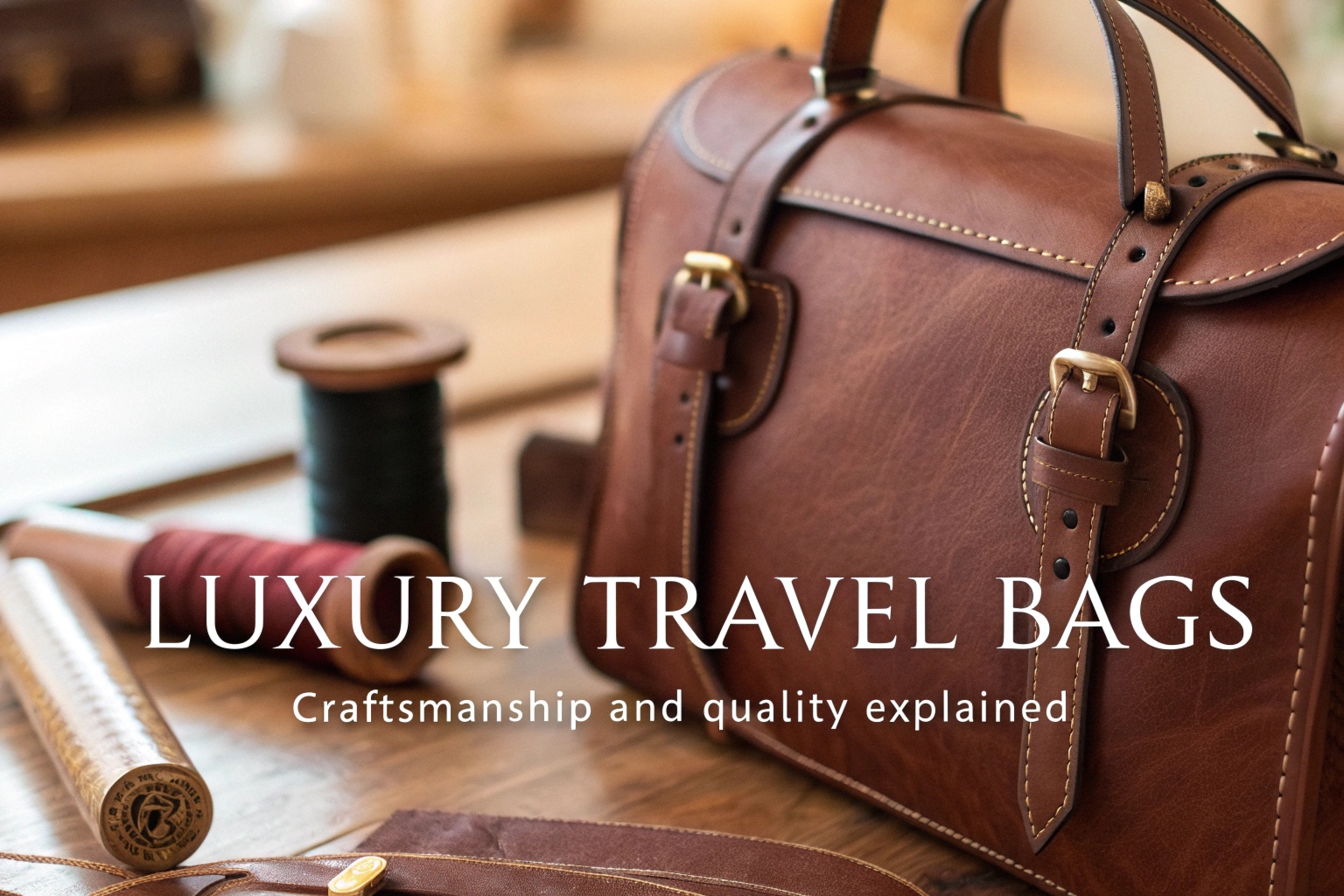
Are you ready to understand what truly sets a luxury travel bag apart from the rest and how to choose one that will serve you beautifully for years?
Luxury Travel Bags: Craftsmanship And Quality Explained
Luxury travel bags combine aesthetics, engineering, and materials to produce pieces that are both functional and long-lasting. You’ll learn how materials, construction techniques, design choices, and ethical practices influence performance and longevity. This will help you make smarter buying decisions and care for your investment.
Why craftsmanship matters
Craftsmanship is the bridge between raw materials and a finished product that performs reliably and looks refined. You’ll notice differences in stitching, edge finishing, and hardware that affect durability and appearance. High craftsmanship reduces the risk of failures like seam splitting, zipper jams, and hardware breakage.
What “luxury” really means in travel bags
Luxury is more than a high price or a label; it’s about consistent attention to detail, superior materials, and manufacturing processes that add real value. You should evaluate luxury claims by inspecting materials, construction methods, and company transparency about origin and sourcing.
Function over flash
A genuine luxury travel bag balances style and utility. Although looks matter, performance features such as ergonomics, weight distribution, and organization are key. You’ll appreciate a bag that makes travel easier rather than one that simply appears expensive.
Materials: the foundation of quality
Materials determine how a bag ages, how much it weighs, and how it performs under stress. You’ll encounter natural hides, treated leathers, technical fabrics, and advanced hardware. Knowing the pros and cons of each material helps you match a bag to your travel habits.
Leather types
Full-grain leather: This is the top layer of the hide and retains natural grain. It’s the most durable and develops a desirable patina over time. If you want a bag that becomes more characterful with use, full-grain is often the best choice.
Top-grain leather: Slightly thinner than full-grain but still high quality. It’s often sanded and treated to remove imperfections, offering a more uniform look but developing less patina.
Corrected-grain leather and bonded leather: These are more economical. Corrected-grain is sanded and embossed; bonded leather is made from fiber scraps. Both are less durable and may show wear faster.
Exotic leathers: Materials like alligator or ostrich come with a distinctive aesthetic and high price. They require special maintenance and often have stricter legal and ethical considerations.
Technical fabrics
Ballistic nylon: Extremely durable, abrasion-resistant, and water-repellent. Ideal for high-use travel bags that need resilience.
Cordura: A versatile nylon known for good abrasion resistance and lighter weight than some heavy ballistic nylons.
Waxed canvas: Offers a classic look, water resistance, and a pleasant aging process. It’s heavier than synthetic fabrics but repairs well and develops character.
High-denier polyester: Offers affordability and water resistance; not as durable as ballistic nylon but often lighter and available in many colors.
Linings and interiors
Natural fabric linings such as cotton or canvas feel premium but may stain; synthetic linings (nylon, polyester) are more stain- and moisture-resistant. Look for quilted or reinforced panels where electronics or fragile items will be stored.
Hardware, zippers, and fittings
Quality hardware should be metal (brass, stainless steel, or plated alloys) rather than plastic. Metal zippers from reputable brands (e.g., YKK, RIRI) are smoother and more reliable. Look for reinforced rivets, solid D-rings, and high-grade buckles that won’t corrode or bend under load.
Construction techniques that define durability
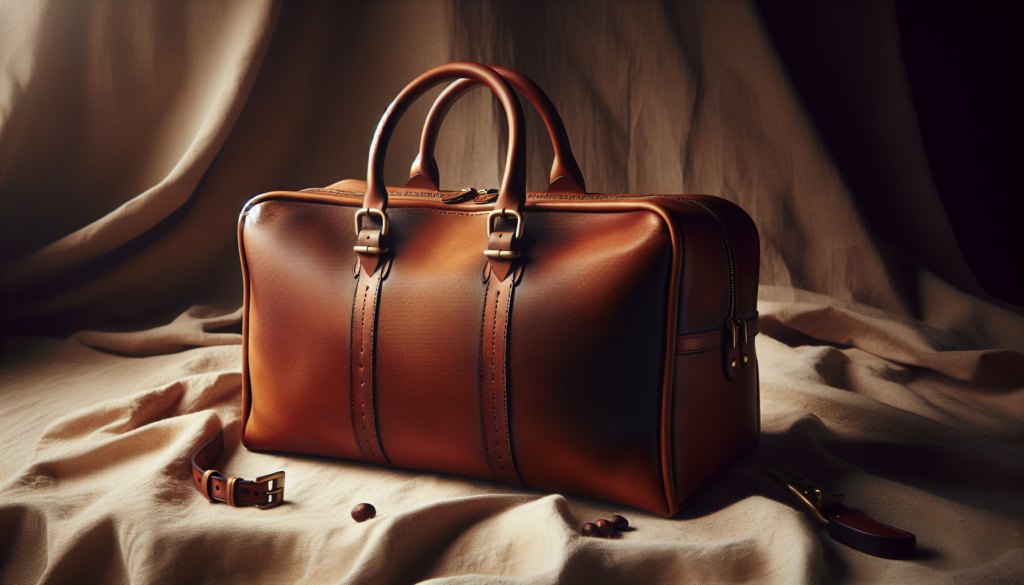
The way components are joined and finished often tells you more about a bag’s longevity than the marketing language. You’ll want to recognize key construction methods so you can evaluate quality quickly.
Cutting and patterning
Precise cutting minimizes waste and ensures panels align correctly. Hand-cut or laser-cut panels often result in tighter joins and fewer mismatches. Accurate patterns also mean consistent tolerances—important for zipper alignment and edge finishes.
Skiving and edge finishing
Skiving thins leather at seams to avoid bulky joins and allow smooth edges. Edge finishing (burnishing, painting, or folding) influences both aesthetics and water resistance. Clean, sealed edges are less likely to peel or fray.
Stitching: machine vs. hand
Machine stitching is common, and high-quality machines produce consistent, strong stitches. Saddle stitching (a hand technique) creates a stitch that won’t unravel if broken and is often used on premium leather goods. Check stitch density—higher stitches per inch usually mean stronger seams.
Reinforcement points and seam types
Reinforced areas (base, strap anchors, zipper ends) are critical. Look for bartacks or box-and-X stitching at stress points. Seam types like welted seams or binding increase durability and reduce water ingress.
Lining attachment and internal structure
Well-constructed bags will have linings that are securely attached without puckering. Internal reinforcements such as foam panels, plastic inserts, or leather stiffeners help maintain shape and protect contents.
Design and ergonomics: how a bag should feel in use
A luxury travel bag is designed for comfort during transport and efficiency when packing and unpacking. Pay attention to weight distribution, handle design, and strap ergonomics.
Handles and straps
Handles should feel solid and balance the bag well when you lift it. Padded and contoured straps reduce shoulder fatigue. For crossbody straps, a non-slip pad helps keep the bag in place during transit.
Weight and balance
Materials and internal structure affect weight. A heavier bag may indicate sturdy materials but could become cumbersome when fully packed. Balanced design keeps the load close to your center of gravity, making it easier to carry.
Accessibility and organization
High-quality travel bags include thoughtful organization: dedicated laptop sleeves, quick-access pockets, and internal compartments that prevent items from shifting. Zipper placement and pocket depth should provide easy access without compromising security.
Types of luxury travel bags and what they’re best for
Different travel styles require different bags. Knowing the range of options helps you pick the right tool for your trips.
Weekender / duffel bags
Ideal for short trips or as carry-on luggage. They typically offer wide openings, roomy interiors, and a balance between style and utility. Choose leather or waxed canvas for durability and patina, or ballistic nylon for rugged use.
Carry-on suitcases and cabin luggage
Designed to meet airline size restrictions, these combine rigid or semi-rigid shells with premium interiors. Look for smooth wheels, telescoping handles, and high-quality zippers. Hard-shell options protect fragile contents; soft-sided options expand more easily in overhead bins.
Garment bags
Built to keep suits and dresses uncreased. They often include hanging systems and compartments for shoes and accessories. Leather-trimmed garment bags project polish and protect clothing during short business trips.
Rolling luggage and spinner suitcases
Spinner wheels offer easier navigation but can add complexity in repair. High-quality wheels are sealed and replaceable; robust telescoping handles lock securely and retract smoothly.
Backpacks and convertible bags
Luxury travel backpacks combine ergonomic design with organizational features for tech and travel essentials. Convertible models switch between backpack, briefcase, and shoulder bag formats—handy for multi-purpose travel.
Hybrid and modular systems
Some brands offer modular systems where packing cubes, toiletry kits, and pouches integrate with larger bags. These systems enhance organization and tailorability.
How to evaluate quality in-store and online
You’ll make safer purchases when you know what to inspect or request from sellers. Whether you’re in a boutique or shopping online, there are clear evaluation steps.
In-store inspection checklist
- Smell: genuine leather smells like leather; chemical or plastic smells may indicate synthetic materials or heavy treatments.
- Stitching: check for even, tight stitches with no loose threads.
- Edges: look for burnished or sealed edges, not raw, peeling edges.
- Hardware: test zippers, buckles, and clasps for smooth operation and solid feel.
- Structure: lift the bag when empty to test balance and handle anchors.
- Lining: inspect pockets and seams for clean attachment.
Online buying tips
- Request close-up photos of seams, hardware, and serial numbers.
- Check return policies and warranty terms.
- Read verified customer reviews focusing on long-term durability rather than just aesthetics.
- Verify materials and origin claims: transparency is a sign of quality brands.
Brand, heritage, and value
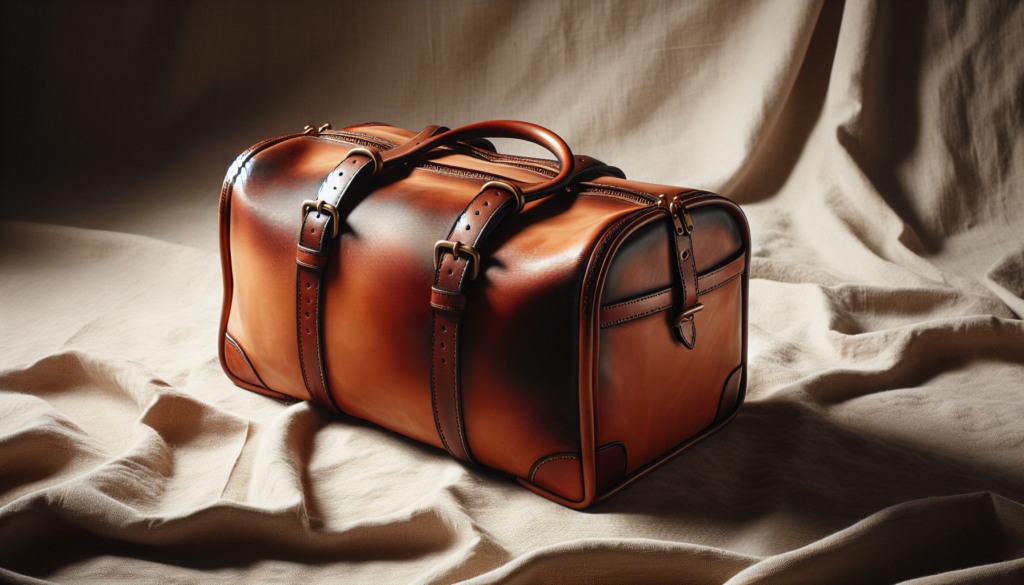
Brand reputation often reflects decades of refinement in design and manufacturing. Heritage brands tend to maintain stringent quality controls. That said, smaller ateliers can produce superior craftwork because of hands-on attention.
When brand matters
Buying from established brands gives you access to repair services, parts replacement, and resale value. If consistent service and long-term support are important, factor brand reputation into your decision.
When independent makers excel
Artisan and bespoke makers often offer customization and hand-finished details you won’t find at scale. If you want unique features, custom sizing, or personalized details, consider independent workshops.
Sustainability, ethics, and traceability
You may care about the environmental and social impact of your bag. Many luxury brands now disclose sourcing, tanning processes, and factory practices. Leather production and fabric manufacturing can be carbon- and water-intensive, but ethical practices mitigate harms.
What to look for in responsible luxury
- Traceable supply chains: clear information about material origin and factory conditions.
- Eco-friendly tanning: vegetable tanning or low-impact chrome processes reduce harmful effluents.
- Recycled materials: recycled nylons and linings reduce virgin resource use.
- Repair and refurbishment programs: brands that encourage repairs extend the life of your bag.
Customization and personalization
Personalized monograms, custom interior layouts, and bespoke color choices increase your bag’s usefulness and emotional value. You should consider how customization affects warranties and resale.
Pros and cons
Pros: Tailored organization, aesthetic uniqueness, improved sentimental value. Cons: Custom items may reduce resale value for a broader market and sometimes add lead time and cost.
How to spot counterfeits and low-quality knockoffs
Counterfeits often mimic brand logos but fail in material quality and construction. Your senses and a methodical inspection will often reveal fakes.
Common counterfeit signs
- Poor stitching, uneven seams, and cheap glue residue.
- Lightweight or plasticky hardware instead of solid metal.
- Missing serial numbers, poorly executed logos, or incorrect font/spacing.
- Incorrect materials (synthetic substitutes where leather is claimed).
- No provenance or suspiciously low price for a claimed luxury brand.
Quick verification steps
- Compare the bag to official product images and specs.
- Check serial numbers or authenticity cards with the brand.
- Use reputable resellers or ask for proof of purchase and repair history on secondhand items.
Care, maintenance, and repair: protect your investment
Proper care greatly extends a bag’s life. You’ll get the most out of a luxury bag by establishing a routine for cleaning, storage, and repair.
Routine cleaning
- Leather: wipe with a soft, dry cloth; use a slightly damp cloth for light stains. Apply leather conditioner sparingly and test on an inconspicuous area first.
- Canvas and nylon: spot-clean with mild soap and water; avoid machine washing unless specified.
- Hardware: wipe metal parts dry to prevent corrosion; use a soft cloth to remove fingerprints.
Deep cleaning and professional care
For heavy stains or structural issues, use professional cleaners familiar with leather and luxury fabrics. Over-cleaning or using harsh chemicals will damage finishes.
Storage tips
- Store in a breathable dust bag in a dry, cool place away from direct sunlight.
- Fill the bag with acid-free tissue or foam to retain its shape.
- Avoid hanging heavy bags by a single strap for long periods; this can stress anchors.
Repairs and replacement parts
Choose shops or brand repair centers that can replace zippers, re-stitch straps, and re-bond linings. Many luxury brands offer lifetime or extended repair services—factor this into the purchase decision.
Price vs. value: deciding when to invest
A higher price doesn’t automatically guarantee value, but investing in well-made goods usually pays off in longevity, repairability, and resale value. Consider how often you travel, the types of trips you take, and how visible wear will be.
Cost-benefit questions to ask yourself
- Will you use the bag frequently enough to justify a higher price?
- Do you need specialized protection for electronics or delicate clothing?
- Is brand reputation and after-sales service important to you?
- Do you prefer a bag that improves with age (patina) or retains a new look?
Comparison tables
Use these tables to compare common materials and bag types at a glance.
Material comparison
| Material | Durability | Water Resistance | Weight | Aging / Patina | Typical Uses |
|---|---|---|---|---|---|
| Full-grain leather | Very high | Moderate | Heavy | Develops rich patina | Weekender, duffel, high-end carry |
| Top-grain leather | High | Moderate | Medium | Less patina | Dressy travel, briefcases |
| Waxed canvas | High | Good | Heavy | Pleasant wear | Casual weekend bags |
| Ballistic nylon | Very high | Excellent | Medium | Minimal | Rugged travel, everyday carry |
| Cordura nylon | High | Good | Light | Minimal | Backpacks, sporty bags |
| Polyester (high-denier) | Moderate | Good | Light | Minimal | Budget-conscious travel |
Bag type comparison
| Bag Type | Best for | Pros | Cons |
|---|---|---|---|
| Weekender / Duffel | Short trips, carry-on | Spacious, stylish, flexible | Can be bulky, may lack internal organization |
| Carry-on suitcase | Airline travel | Protective, organized | Heavier, rigid options take up storage |
| Garment bag | Business trips | Keeps clothes uncreased | Less flexible for other items |
| Rolling luggage | Long trips, heavy loads | Easy transport, protects contents | Wheels/handles can fail, heavier |
| Backpack / Convertible | Urban travel, active trips | Hands-free, ergonomic | Less formal, limited packing space |
Frequently asked questions (FAQ)
These brief answers will address common concerns you’ll likely have when choosing a luxury travel bag.
How long should a quality travel bag last?
With proper care, a well-constructed bag can last a decade or more. Leather bags that are regularly conditioned and repaired often survive for many years, sometimes decades.
Is it worth buying leather over synthetic?
Leather offers timeless aesthetics and develops character, but quality synthetics like ballistic nylon can be more practical for heavy, wet, or frequent travel. Choose based on your lifestyle and tolerance for maintenance.
Can luxury travel bags be resold easily?
Reputable brands and well-maintained bags retain resale value better. Limited editions and classic designs tend to perform best on the secondary market.
How do I insure a luxury travel bag?
You can insure your bag under homeowner or renter policies, add a scheduled personal property endorsement, or use travel insurance that covers high-value items. Keep receipts and photos for claims.
Final buying checklist
Use this checklist before you commit to a purchase. It distills the key practical and quality-related items you should confirm.
- Confirm true material type and tanning/finishing methods.
- Inspect the stitching, edge finishing, and reinforcement points.
- Test zippers, wheels, handles, and clasps for smooth operation.
- Verify warranty, repair services, and return policy.
- Consider weight vs. durability for your travel style.
- Check the brand’s transparency on sourcing and production ethics.
- For online purchases, request close-up photos and documentation.
Conclusion
A luxury travel bag is an investment in your comfort, convenience, and personal presentation while traveling. By looking beyond labels and focusing on materials, construction techniques, design ergonomics, and brand practices, you’ll choose a bag that serves you well for years. With proper care and occasional repair, your bag can become a reliable companion that ages beautifully and retains value over time.
If you want, you can tell me the trips you typically take and your budget, and I’ll recommend a few specific styles and materials that best match your needs.