Are you planning a group tour and want to know which bus options will give you the most comfort, style, and reliability?

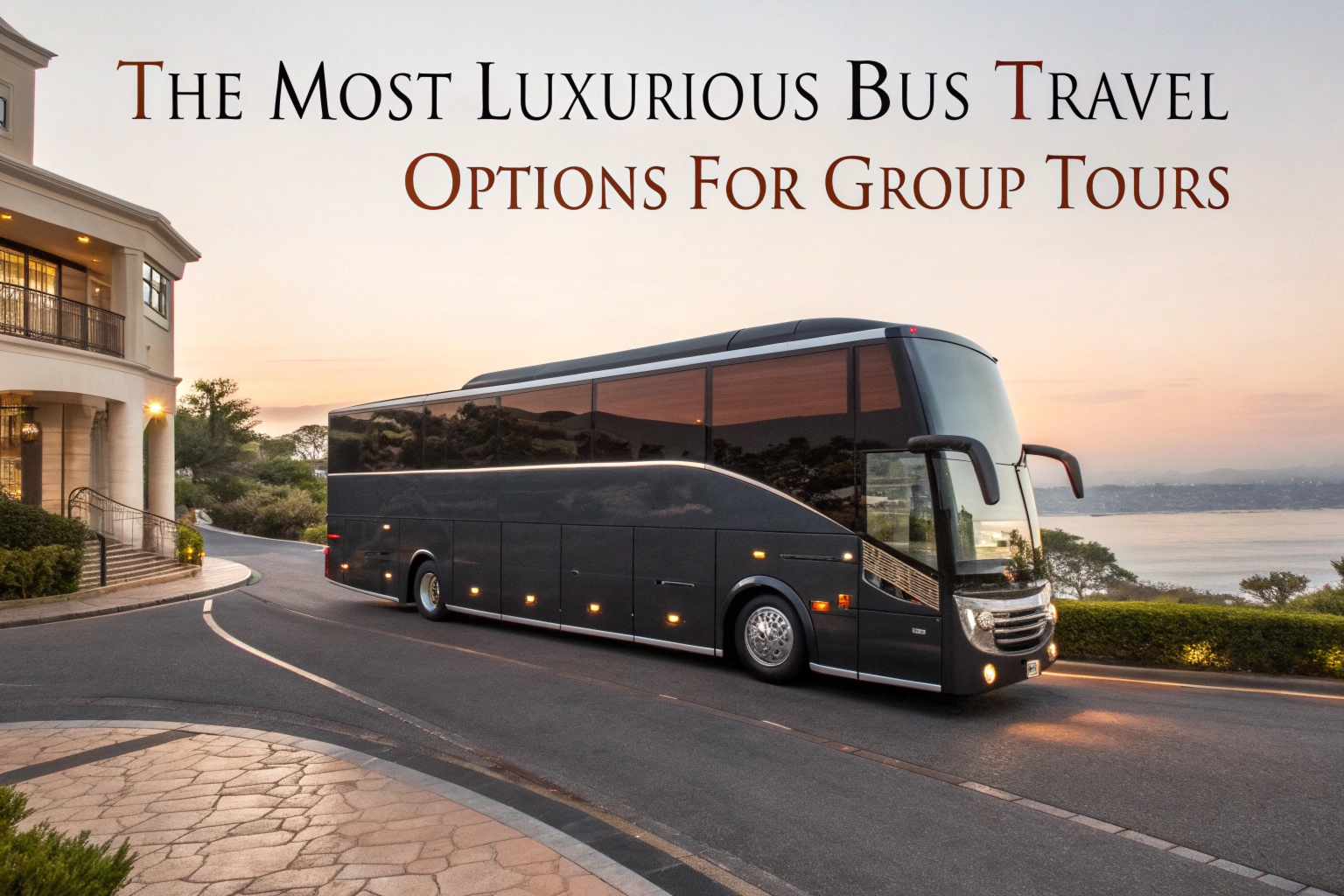
The Most Luxurious Bus Travel Options For Group Tours
This article helps you choose and plan the most luxurious bus travel for your group tours. You’ll get a clear breakdown of bus types, amenities, pricing, safety, logistics, and practical tips so you can make a confident booking and create an exceptional travel experience.
Why choose a luxury bus for your group tour?
You’ll find that a high-end coach can combine comfort, convenience, and a shared social experience that other transport modes can’t match for groups. Luxury buses let you keep the group together, reduce coordination time, and provide amenities that keep everyone comfortable and entertained.
Choosing a premium coach also simplifies logistics: one vehicle, one driver team, and a flexible schedule that adapts to your itinerary. You’ll retain privacy and control over stops, routes, and onboard services.
Key types of luxury buses and how they differ
Knowing the different bus types helps you match vehicle choice to group size, itinerary, and desired amenities. Below are the most common high-end options and what you can expect from each.
Luxury Motorcoach (Full-size VIP Coach)
This is the classic choice for large groups. You’ll get spacious seating, substantial luggage bays, full restroom, and advanced entertainment systems.
Motorcoaches typically seat 40–60 passengers and are designed for long-distance, multi-day travel. They’re ideal when you want comfort for long legs between destinations.
Limo Bus / Party Bus
If you’re planning shorter, high-energy experiences—like nightlife, bachelor/bachelorette events, or city tours—you’ll love a limo bus. You’ll find lounge-style seating, dance floors, mood lighting, and optional bars.
Limo buses usually carry 20–40 passengers and focus on interior experience and social spaces rather than long-haul comfort.
Mini-coach or Executive Minibus
For smaller groups of 8–25 people, an executive minibus gives you luxury features in a compact format. You’ll enjoy leather recliners, enhanced legroom, and premium audio-visuals.
Mini-coaches are best for boutique tours, executive outings, or when you need access to narrower streets or tighter parking options.
Double-decker Coach
When you want views and a “wow” factor, double-decker coaches balance capacity with panoramic windows. You’ll get upper-deck seating for sightseeing and a lower deck that supports better storage and amenities.
These are excellent for scenic routes, city-to-city tours, or coastal drives where vistas matter.
Sleeper Coach
If your itinerary includes overnight travel, sleeper coaches offer privacy and true sleeping berths reminiscent of rail sleeper cabins. You’ll find private or semi-private couchettes, individual lighting, and noise insulation.
Sleeper coaches are perfect for cross-country routes where you want to save daytime tour hours by travelling overnight.
Boutique or Custom Coach
When branding, bespoke interiors, or special onboard experiences matter, boutique coaches are customized to your specifications. You’ll get tailored interior finishes, specialized entertainment, and unique configurations.
Use these for destination weddings, VIP corporate retreats, or themed tours where every detail matters.
Comparing bus types at a glance
The table below helps you quickly compare typical features, passenger capacity, and ideal uses for each bus type.
| Bus Type | Typical Capacity | Key Luxury Amenities | Best For |
|---|---|---|---|
| Luxury Motorcoach | 40–60 | Reclining seats, full restroom, large luggage bays, AV, Wi‑Fi | Long-distance group travel, multi-day tours |
| Limo Bus / Party Bus | 20–40 | Lounge seating, bars, lighting, dance floor, premium sound | Nightlife, celebrations, short city tours |
| Executive Minibus | 8–25 | Leather seating, AV, tables, privacy | Small corporate groups, private tours |
| Double-decker Coach | 50–80 | Panoramic upper deck, AV, restrooms | Scenic routes, large sightseeing groups |
| Sleeper Coach | 20–40 | Berths/couchettes, privacy, sleeping amenities | Overnight travel, long-distance savings |
| Boutique / Custom Coach | Variable | Bespoke interiors, branded exteriors, tailored services | VIP events, branded experiences |
Luxury amenities explained
You’ll want a clear understanding of the amenities that define “luxury” so you can prioritize what matters for your group. Below are common categories and what they really offer.
Seating and personal space
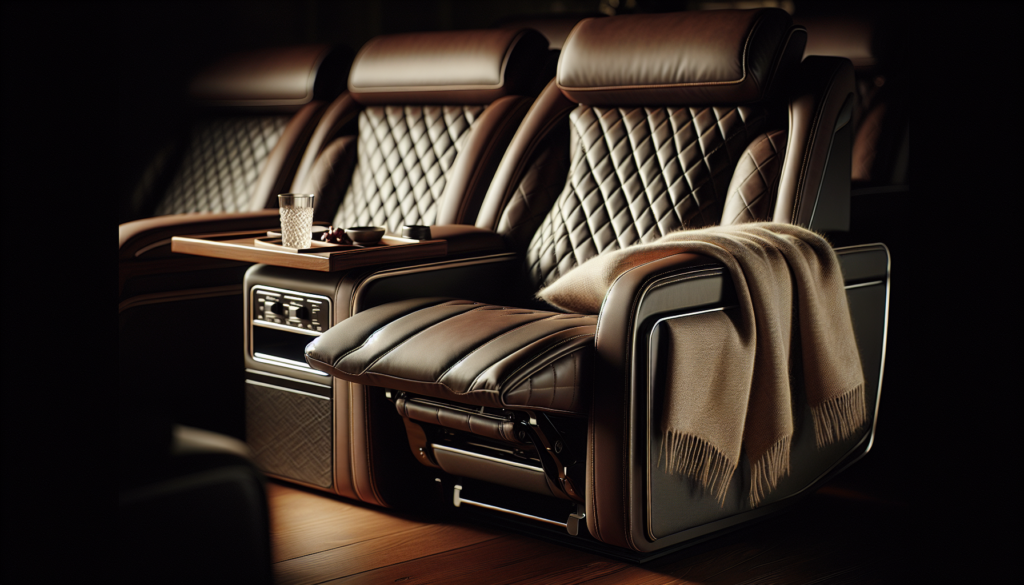
Comfort starts with seating. You’ll find options from extended legroom recliners and sleeper berths to fully reclining captain’s chairs with footrests.
If your group includes elderly travelers or people with back issues, prioritize true reclining seats with lumbar support and generous spacing.
Entertainment and connectivity
You’ll want a coach with robust AV systems, individual screens or shared monitors, and reliable Wi‑Fi. Streaming-capable systems, satellite TV, and Bluetooth connectivity for playlists let you control the onboard atmosphere.
Always test Wi‑Fi capacity for the group size, and consider offline entertainment if connectivity is patchy in rural areas.
Food and beverage services
You can choose catered service with plated meals, buffet-style setups, snack stations, or full bars. Some operators include refrigerated cabinets and espresso machines.
Specify dietary restrictions in advance—kosher, halal, vegetarian, gluten-free—and confirm food safety procedures and serving equipment.
Sleeping and privacy options
For overnight routes, private berths, curtains, and individual climate controls are essential. Sleeper coaches that provide fully enclosed bunks give you the most privacy.
If you’ll require rest during day drives, request seats that convert to near-flat positions.
Restrooms and showers
Full-size motorcoaches include onboard restrooms. Luxury variants may offer larger restrooms, hot-water showers, and premium fixtures.
If showers are essential because you’ll be gone many days, confirm capacity and water supply systems.
Climate control and air quality
You’ll want multi-zone climate control so you can keep different cabin areas at comfortable temperatures. Some premium coaches include superior HVAC and air filtration systems.
This matters for long trips and for groups with people sensitive to temperature or air quality issues.
Onboard staff and hospitality
Many luxury services include one or more attendants in addition to your driver. Attendants handle food service, make announcements, manage entertainment, and coordinate luggage.
You’ll find that a dedicated onboard host raises the experience from transport to curated travel.
Accessibility and inclusivity features
Luxury doesn’t mean excluding those who need assistance. Today’s premium buses often include wheelchair lifts or ramps, ADA-compliant seating, and designated companion spaces.
Ask about specific accessibility needs well before booking to ensure the vehicle meets legal and comfort standards.
Customization, branding, and special onboard experiences
You’ll have many options to personalize the experience, from visual branding to curated onboard events. These choices help reinforce your group’s identity and create memorable moments.
Exterior and interior branding
You can request custom exterior wraps, logos, and interior color schemes. This is common for corporate groups and events where first impressions matter.
Branding can extend to in-seat materials, napkins, and printed itineraries that match your event’s look and feel.
Themed onboard experiences
You can design themed nights, movie marathons, live music performances, or speaker presentations on board. Some operators will coordinate entertainers and portable stages.
These experiences make travel time feel like part of the event rather than downtime.
Technology-driven customization
You can pre-load entertainment, event videos, and presentations to onboard servers so everything plays smoothly even with spotty internet. Options include multi-zone audio and individual tablet rentals.
Advanced operators can sync AV cues with route landmarks for narrated sightseeing.
Safety, certifications, and driver qualifications
Luxury should never compromise safety. You’ll want to confirm operator credentials, vehicle maintenance records, and driver qualifications.
Driver training and hours-of-service rules
Professional drivers adhere to maximum hours-of-service laws and undergo regular training. You’ll want drivers experienced in the geography you’ll be traveling.
For multi-day trips, operators typically provide relief drivers to comply with driving-time limits so you’ll have attentive drivers at all times.
Vehicle maintenance and inspections
Ask to review maintenance logs and inspection certificates. Luxury vehicles often have manufacturer-recommended service intervals that must be met.
You should also confirm emergency equipment, GPS tracking, and communication systems.
Insurance and liability coverage
Make sure the operator carries commercial liability insurance and ask about additional coverage for passengers, events onboard, and third-party vendors.
If you’ll serve alcohol, confirm liquor-liability coverage and operator policies on consumption.
Booking, cost structure, and budgeting
Understanding how operators price their services helps you avoid surprises and negotiate a fair deal for your group.
Typical pricing models
You’ll usually see pricing structured as:
- Daily rate: flat rate per day for the vehicle and driver(s).
- Hourly rate: used for short trips or city tours.
- Per-person cost: sometimes offered for standardized group tours with set itineraries.
- Distance-based: per-mile or per-kilometer charges for long routes.
Pick the model that aligns with how you plan to use the vehicle.
What affects price
Factors that influence cost include:
- Vehicle type and age
- Number of passengers
- Trip duration and distance
- Seasonality and peak dates
- Amenities (catering, bartender, attendant)
- Driver overnight expenses and per diems
- Route complexity and permits
Sample cost ranges
Below are approximate ranges to give you a budgeting sense. Actual rates vary by geography, season, and operator.
| Bus Type | Typical Daily Rate (USD) | Typical Hourly Rate (USD) | Notes |
|---|---|---|---|
| Executive Minibus (8–25) | $700–$1,400 | $100–$200/hr | Smaller groups, city or short regional trips |
| Limo/Party Bus (20–40) | $900–$2,000 | $150–$300/hr | Event-driven pricing, higher rates for evening hours |
| Luxury Motorcoach (40–60) | $1,200–$3,500 | $150–$350/hr | Long-distance and multi-day trips command higher total costs |
| Double-decker Coach | $1,500–$4,000 | $200–$350/hr | Scenic routes and sightseeing often higher |
| Sleeper Coach | $2,000–$5,000/day | Variable | Overnight features and berths increase cost |
Hidden and additional costs
Expect additional charges for:
- Fuel surcharges (variable with market)
- Tolls, parking, and permit fees
- Overnight driver accommodations and meals
- Special equipment (e.g., staging, AV technicians)
- Early morning or late-night departures
- Cleaning fees after events
Get a written quote that itemizes these potential extras.
Planning your route and schedule
Your itinerary affects cost, comfort, and compliance. You’ll want a realistic plan and allowances for rest, traffic, and local regulations.
Driver rest breaks and duty windows
Federal and local regulations limit continuous driving hours and require rest breaks. Plan your schedule to incorporate these, especially for long-haul segments.
You’ll avoid fatigue-related delays and ensure the driver’s compliance with legal limits.
Parking, loading, and drop-off logistics
Make advance arrangements for parking at hotels, venues, and attractions. Not every place can accommodate large vehicles, and some urban venues require special permits.
You’ll save time by confirming loading zones, parking costs, and access routes in advance.
Scenic planning and comfort breaks
When designing sightseeing segments, think about view corridors and stop locations where the bus can pull off safely. Include comfort stops every 2–3 hours for longer drives.
Create contingency time for unexpected delays or extended sightseeing requests.
Catering and alcohol policies
Food and drinks shape the mood of any group travel. Luxury buses can handle a range of culinary options but have rules and limits you should understand.
Onboard catering options
You’ll choose from boxed meals, plated service, buffet stations, or passed hors d’oeuvres depending on space and safety rules. Fresh, locally sourced menus often enhance the experience.
Refrigeration and heating capacities are finite, so confirm menu feasibility before finalizing.
Alcohol service and regulations
Operators often allow alcohol but will require qualified staff, glassware policies, and limits on how beverage service is handled. Some jurisdictions may require server permits.
If your group plans to drink, ask about corkage fees, bartender costs, and responsible service policies.
Handling allergies and dietary restrictions
Provide a list of allergies and dietary needs early. Luxury operators usually partner with caterers who can accommodate special requests, but last-minute changes can be difficult.
Label food items clearly to avoid accidental exposures.
Entertainment, activities, and onboard programming
Thoughtful entertainment keeps your group engaged and builds cohesion. You’ll want options that fit the group’s demographics and the journey’s length.
AV, live performances, and speakers
You can plan film screenings, live music, comedians, or guest speakers. Confirm onboard power availability for instruments and ensure noise levels are appropriate for other passengers.
Consider hiring an emcee or onboard host to manage transitions.
Team-building and games
Group tours often benefit from structured activities: trivia, scavenger hunts tied to stop locations, or small-group challenges. These can be facilitated by your host or a third-party vendor.
Make sure games respect motion sensitivity—avoid activities that cause motion sickness.
Quiet zones and relaxation options
Balance active programming with quiet spaces. Luxury coaches can be partitioned so you’ll create a lounge area for conversation and a quieter zone for rest.
Provide headphones and on-demand content for people who prefer solitude.
Sample itineraries for different group types
Seeing concrete examples helps you picture how a luxury coach will work for your event. Below are three sample itineraries with notes on vehicle choice and amenities.
Corporate executive retreat (2-day)
You’ll book an executive minibus or boutique coach for up to 20 people. Day one includes a morning departure, onboard breakfast, team presentations via integrated AV, and arrival at a resort. Day two features local site visits and a return in the evening after a catered lunch.
Prioritize power outlets, strong Wi‑Fi, and a presenter’s mic.
Destination wedding weekend (3-day)
You’ll choose a luxury motorcoach or multiple mini-coaches to transport wedding guests. Include bedside pickup for hotels, luggage handling, and shuttle service between venues. Consider a boutique coach for VIP family members with upgraded seating and a private attendant.
Include a designated beverage policy and consider on-call transportation for guests who need last-minute transit.
Wine country tour (daytrip or overnight)
You’ll arrange a limo/party bus or motorcoach depending on group size. For day trips, a limo bus enhances social atmosphere; for overnight tours, a motorcoach with berths might be preferable. Ensure the operator has a clear alcohol-service policy and driver rest planning.
Coordinate winery reservations and ask if tastings require special permits for bus arrivals.
Questions to ask a luxury bus operator (checklist)
Before you sign a contract, you’ll ask targeted questions to ensure the operator meets your needs. Use the checklist below when interviewing vendors.
| Topic | Questions to Ask |
|---|---|
| Vehicle specifics | What is the make, model, year, and seating layout? Can I inspect the vehicle? |
| Amenities | Which amenities are standard and which are extra? What AV and Wi‑Fi speeds are provided? |
| Staffing | How many drivers/attendants will be assigned? What are their qualifications? |
| Safety | Can you provide maintenance logs, inspection certificates, and insurance details? |
| Pricing | What is included in the quote? What are possible additional fees? |
| Policies | What are your cancelation, refund, and force-majority policies? |
| Catering & alcohol | Do you handle catering in-house or with a partner? What are your alcohol policies? |
| Accessibility | Is the vehicle ADA-compliant? What accessibility features are available? |
| Contingency | What is your plan for breakdowns, weather cancellations, or driver illness? |
Tips for maximizing comfort and guest satisfaction
Small details create big impressions. Use these practical tips to keep everyone comfortable and satisfied.
- Confirm pickup times and be punctual to avoid compressed itineraries.
- Send a packing and expectation list to guests (outlet availability, snack policies).
- Provide a printed or digital itinerary with rest stop times and emergency contacts.
- Encourage layered clothing because bus temperature can vary across cabins.
- Bring motion-sickness remedies and seat selection guidance for sensitive guests.
- Pre-load entertainment and backup media in case Wi‑Fi fails.
- Schedule a welcome drink or snack on board to set a positive tone.
Environmental considerations and greener options
If sustainability matters to you, ask about low-emission or electric buses and carbon-offset programs. Some operators provide hybrid vehicles or use biofuels and will share their sustainability credentials.
Electric coaches are emerging in many markets but may still have range limits—ensure charging infrastructure aligns with your route.
Accessibility and inclusivity planning
Design your trip to be inclusive. Confirm that your chosen vehicle can accommodate wheelchair users, that doors and aisles provide adequate clearance, and that ramps or lifts are functional.
You’ll want to coordinate accessible hotel rooms and accessible attraction entrances in tandem with vehicle capabilities.
Contracts, deposits, and legal protections
A well-drafted contract protects you and the operator. Make sure the contract includes:
- Detailed itemization of services
- Clear cancellation and refund terms
- Force majeure clauses
- Insurance and liability coverage details
- Responsibilities for damages, cleaning, and misconduct
- Confirmation of permits for special routes
Require signatures from authorized representatives and keep the contract accessible during travel.
Managing guests and onboard rules
Create clear guidelines to manage expectations, ensure safety, and reduce conflicts. You’ll likely want a short code of conduct covering noise levels, alcohol consumption, smoking policies, and respect for communal spaces.
Designate an event lead who the driver and attendant can contact to address issues quickly.
Contingency planning and backup options
Even with the best planning, things change. You’ll prepare for delays, vehicle issues, and medical emergencies.
- Confirm backup operators or replacement vehicles in advance.
- Keep contact numbers for local towing and repair services.
- Have a first-aid kit and know the nearest medical facilities along your route.
- Share an emergency plan with guests and staff.
Final pre-departure checklist
Before your group boards, run through this checklist to ensure nothing is missed.
| Item | Status |
|---|---|
| Signed contract and contact info | |
| Final passenger list and special needs | |
| Payment and deposit confirmation | |
| Catering, dietary restrictions, and labels | |
| Entertainment pre-loaded and tested | |
| Driver and attendant confirmed | |
| Permits and parking confirmed | |
| Emergency contact and medical forms | |
| Luggage tags and inventory plan |
Conclusion
You’ll find that choosing the right luxury bus for your group tour depends on matching vehicle type, amenities, and operator capabilities to the needs of your group and the specifics of your route. With careful planning covering safety, staffing, catering, and entertainment you’ll turn travel time into an integral and enjoyable part of the tour experience.
Use the checklists and questions in this article to vet operators, budget accurately, and create an unforgettable journey that prioritizes comfort, style, and reliability for every passenger.