
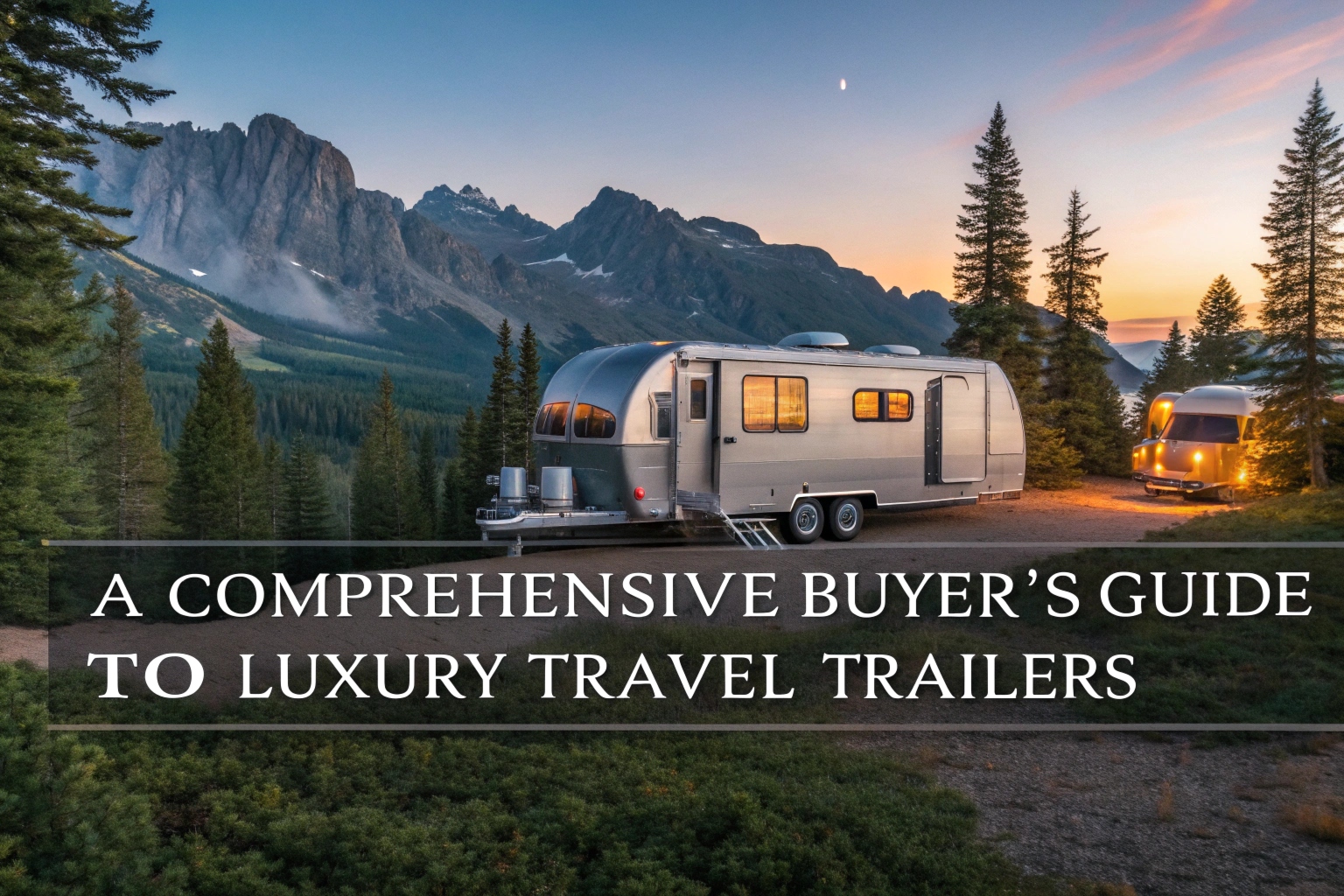
Are you ready to find the perfect luxury travel trailer that matches your travel style, comfort expectations, and towing capabilities?
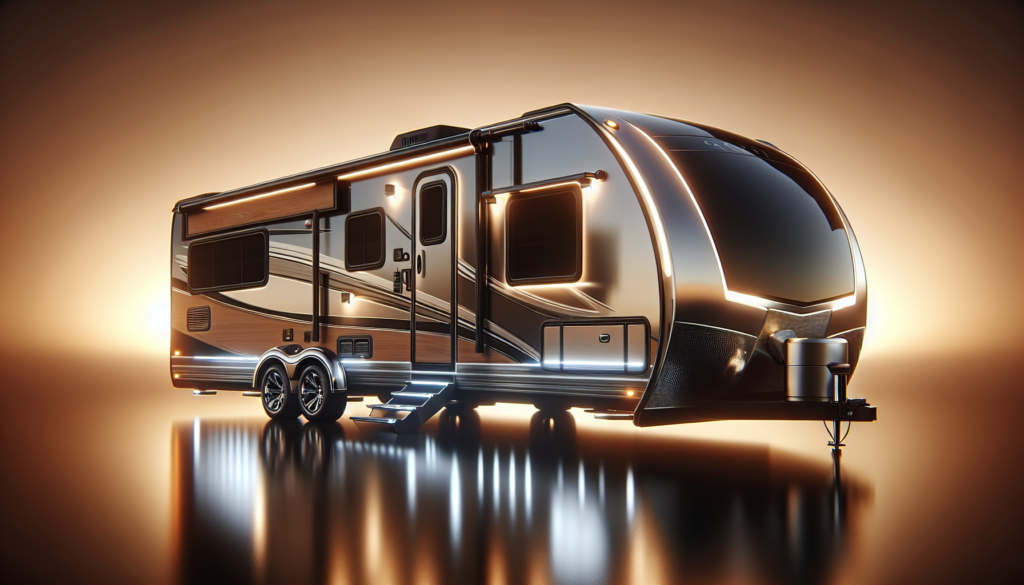
A Comprehensive Buyer’s Guide To Luxury Travel Trailers
This guide will walk you through everything you need to know when shopping for a luxury travel trailer. You’ll get practical advice on construction, features, towing, budgeting, and making the best long-term decision for your travels.
Why Choose a Luxury Travel Trailer?
Luxury travel trailers offer a higher level of comfort, convenience, and build quality than standard models. If you plan to spend extended time on the road, host guests, or simply want a more refined experience, a luxury trailer can feel more like a second home than a temporary shelter.
Defining Luxury: What Makes a Travel Trailer ‘Luxury’?
“Luxury” in travel trailers means more than premium finishes; it combines thoughtful design, durable materials, and advanced systems. You’ll see luxury emphasized in layout flow, high-end appliances, premium upholstery, and integrated smart systems that make life on the road easier and more enjoyable.
Build Quality and Materials
Luxury trailers often use aluminum, composite panels, or laminated construction with reinforced framing for longevity. You’ll notice better cabinetry, solid-surface countertops, and higher-grade flooring materials that withstand repeated use and look great.
Layout and Space
A luxury trailer prioritizes space efficiency and livability, with slide-outs, lofts, or multi-functional furniture. You’ll benefit from floor plans that create natural living zones—kitchen, living area, sleeping quarters—so extended stays feel comfortable.
Technology and Amenities
Integrated technology like touchscreen control panels, solar-ready systems, premium audio, and advanced HVAC are common. You’ll find automation options that let you control lighting, temperature, and entertainment from a central panel or your phone.
Comfort and Finishes
Luxury finishes include residential-style appliances, memory-foam mattresses, custom window treatments, and designer lighting. These touches turn a trailer into a premium living space and often improve resale value.
Types and Styles of Luxury Travel Trailers
Luxury trailers come in several styles, each suited to different priorities like space, towing ease, and off-grid capability. You’ll want to match the trailer style to how, where, and how often you intend to travel.
Traditional Travel Trailers
Traditional trailers are hitched to a rear bumper and offer a wide variety of floor plans. You’ll find many luxury options in this category that balance comfort and towing flexibility.
Fifth Wheels
Fifth wheels attach over the truck bed and often provide extra living space, higher ceilings, and more stable towing. If you have a heavy-duty pickup, you’ll appreciate the added room and residential feel of many luxury fifth wheels.
Toy Haulers (Luxury Versions)
Toy haulers combine a living area with a rear garage for motorcycles, ATVs, or bikes. Luxury toy haulers add higher-end furnishings, separate sleeping areas, and upgraded entertainment features so you don’t sacrifice comfort for utility.
Ultra-Luxury Touring Trailers
Some manufacturers focus on compact trailers that maximize build quality and luxury features for easier towing without sacrificing amenities. You’ll see top-tier materials and minimal-waste layouts in this category.
Comparison Table: Trailer Types at a Glance
| Type | Typical Length Range | Tow Vehicle | Strengths | Considerations |
|---|---|---|---|---|
| Traditional Travel Trailer | 20–40 ft | SUV / Truck | Versatile floorplans, easy hookup | Can be heavy; sway potential |
| Fifth Wheel | 25–45+ ft | Heavy-duty Truck | Spacious, high ceiling, stable tow | Requires truck with bed hitch |
| Toy Hauler (Luxury) | 20–40 ft | SUV / Truck | Garage space, multi-purpose | Heavier rear; reduced living area |
| Ultra-Luxury Touring Trailer | 15–30 ft | Mid-size SUV / Truck | High-end finishes, easier tow | Smaller footprint, less storage |
Size and Weight Considerations
Size and weight directly affect your towing needs, storage, and camp accessibility. You’ll want to balance interior living space against the practicalities of towing and parking.
Length and Floorplan
Longer trailers generally offer more amenities and separate living spaces, while shorter trailers are easier to maneuver and more fuel-efficient to tow. Consider whether you prioritize large common areas, private bedrooms, or additional bathrooms.
Dry Weight, GVWR, Payload Capacity
Dry weight is the unloaded weight of the trailer; GVWR (Gross Vehicle Weight Rating) is the maximum safe weight including cargo, fluids, and passengers. You must stay below GVWR and confirm payload capacity to avoid unsafe loading.
Tow Vehicle Requirements
You’ll need to ensure your tow vehicle’s towing capacity, payload (for fifth wheels), and brake compatibility match the trailer. Verify the vehicle’s hitch class, brake controller compatibility, and manufacturer recommendations.
Trailer Size vs Tow Vehicle Table
| Trailer Size | Typical Dry Weight | Recommended Tow Vehicle | Notes |
|---|---|---|---|
| 15–20 ft | 2,500–4,000 lbs | Mid-size SUV / Light truck | Easy to tow, good for weekend travel |
| 20–30 ft | 4,000–7,500 lbs | Full-size SUV / Half-ton truck | Wider amenity selection, may need brake controller |
| 30–40 ft | 7,500–12,000 lbs | Three-quarter/one-ton truck | Best for multiple slide-outs and full amenities |
| 40+ ft | 12,000+ lbs | Heavy-duty truck | For max space and luxury features; complex maneuvering |
Chassis, Frame, and Construction Materials
The chassis and frame form the trailer’s skeleton and determine overall strength and ride quality. You’ll want a well-engineered foundation that resists wear and handles long-term stresses.
Frames, Axles, and Suspension
Look for heavy-duty frames, reliable axles, and suspension tuned to reduce sway and improve ride comfort. You’ll want features like electric brakes, torsion axles, or air ride options for high-end setups.
Walls, Roofs, and Insulation
Quality walls and roofs use multi-layer laminates, aluminum or fiberglass shells, and high R-value insulation. You’ll appreciate insulated and sealed roofs for noise reduction and thermal control in varied climates.
Corrosion Resistance and Undercoating
A corrosion-resistant frame and protective undercoating extend service life, especially if you travel near saltwater or on winter roads. You should check for proper seam sealing and rust prevention treatments.
Interior Features to Look For
Interior features define daily living comfort, convenience, and aesthetics. You’ll want to prioritize features that match how you live—cooking habits, sleeping arrangements, and entertaining.
Kitchen: Appliances and Finishes
A luxury kitchen includes a residential-size refrigerator, convection oven or range, solid surface countertops, and deep sinks. You’ll appreciate thoughtful storage, utensil organization, and ventilated hoods for cooking comfort.
Bathroom: Wet Bath vs Full Bath, Fixtures
Full bathrooms with separate showers and well-finished vanities are common in luxury trailers. You’ll consider features like porcelain toilets, water-efficient fixtures, and skylights for natural light.
Sleeping Areas and Bedding
Premium mattresses, slide-out bedroom closets, and blackout shades improve sleep quality. You’ll look for versatile sleeping options when guests arrive—convertible sofas, loft beds, or dedicated bunks.
Climate Control and Insulation
Dual-zone HVAC, high-efficiency furnaces, and enhanced insulation make your trailer comfortable year-round. You’ll want well-sealed windows and quality vents to reduce drafts and noise.
Interior Features Table: Must-Have vs Nice-to-Have
| Feature | Must-Have for Luxury | Nice-to-Have |
|---|---|---|
| Solid surface countertops | ✓ | |
| Residential refrigerator | ✓ | |
| Upgraded mattress | ✓ | |
| Dual-zone HVAC | ✓ | |
| Washer/dryer combo | ✓ | |
| Fireplace | ✓ | |
| Smart lighting controls | ✓ |
Exterior Features and Practical Considerations
Exterior elements affect durability, storage, and how much of your living space extends outdoors. You’ll want features that facilitate convenience and outdoor enjoyment.
Storage and Exterior Access
Exterior pass-through storage, lockable compartments, and easy-access service panels make life on the road simpler. You’ll find value in waterproof storage and well-organized exterior bays.
Outdoor Living: Awnings, Kitchens, Entertainment
Automatic awnings, built-in outdoor kitchens, and exterior entertainment centers are common luxury upgrades. You’ll use these features to create comfortable outdoor living spaces that expand usable square footage.
Utility Connections and Hookups
Well-designed utility access points—city water, 30/50 amp electrical plugs, and water filtration—streamline setup at campgrounds. You’ll want clear, labeled hookup panels and durable hose/electrical organizers.
Power Systems and Off-Grid Capabilities
Power design determines how long you can stay off-grid and what appliances you can run. You’ll want to understand battery sizing, inverter capacity, and generator options for off-grid freedom.
Batteries, Inverters, and Generators
Lithium batteries and pure sine wave inverters are becoming standard in high-end units for their efficiency and power density. You’ll choose generator options based on noise level, fuel type, and output to supplement battery and solar systems.
Solar and Alternative Energy
Solar panels and MPPT charge controllers reduce generator dependence and allow extended off-grid camping. You’ll consider panel capacity, roof space, and battery bank size to match your typical energy consumption.
Water Systems and Waste Management
Luxury trailers feature larger freshwater tanks, on-demand water heaters, and improved waste tank ventilation. You’ll look for tank-level monitoring, sealed holding tanks, and easy winterization procedures.
Technology and Smart Features
Smart features increase convenience and can make your trailer feel more like a connected home. You’ll find options to monitor systems remotely, automate routines, and maintain connectivity on the road.
Infotainment and Connectivity
Integrated sound systems, high-definition TVs, and satellite-ready antennas provide entertainment even in remote locations. You’ll also want cellular boosters and Wi-Fi extenders to stay connected where cellular reception is limited.
Automated Systems and Controls
Centralized control panels and apps let you manage lighting, climate, and tank levels from a single interface. You’ll appreciate scenes and schedules that preset conditions for arrival or bedtime.
Security and Monitoring
Cameras, alarm systems, and GPS trackers add security and peace of mind when you leave the trailer unattended. You’ll want remote notifications for battery state, water leaks, and propane levels.
Safety and Regulatory Considerations
Safety systems and regulatory compliance protect you, your passengers, and other road users. You’ll need to be aware of certifications and built-in safety equipment.
Brake Systems and Electronic Stability Control
Electric brakes, sway control, and weight-distribution hitches are essential safety components for heavy trailers. You’ll ensure your trailer is equipped for stable handling in crosswinds and sudden maneuvers.
Weight Distribution and Hitching
Correct hitch selection and weight distribution keep tow dynamics safe and predictable. You’ll learn payload calculations and hitch tuning to maintain recommended tongue weight and balance.
Certifications and Standards
Look for RVIA certification and manufacturer adherence to recognized standards for electrical, plumbing, and construction. You’ll want documentation that your trailer meets industry safety and quality expectations.
Budgeting and Total Cost of Ownership
The sticker price is only part of the financial picture; operating costs and depreciation matter too. You’ll need to plan for insurance, maintenance, storage, fuel, and campground fees.
Purchase Price vs Long-Term Costs
A higher initial price often reduces maintenance expenses thanks to better components and warranties. You’ll run cost projections by estimating annual maintenance, tires, and replacement parts to get a true ownership cost.
Insurance, Registration, Taxes
Insurance premiums vary depending on trailer value, age, and use. You’ll compare policy options that cover liability, comprehensive damage, and contents, and check registration and tax implications in your state or province.
Maintenance and Depreciation
Luxury trailers may depreciate slower than low-cost units if well-maintained and from reputable brands. You’ll keep a maintenance log, schedule inspections, and address issues early to maximize resale value.
Financing and Warranties
Financing availability and warranty coverage differ widely—knowing your options helps you negotiate and protect your purchase. You’ll want clear terms on what’s covered and for how long.
Financing Options and Loan Terms
Lenders offer RV-specific loans with terms tailored to trailer lifespan and resale value. You’ll compare interest rates, down payment requirements, and loan lengths to find a payment plan that fits your budget.
Manufacturer Warranties and Extended Coverage
Standard warranties address structural and component defects; extended warranties can cover electronics, appliances, and service visits. You’ll read the fine print to understand exclusions and approved service networks.
Service Contracts
Service contracts or maintenance plans can simplify repairs and give you predictable costs. You’ll evaluate whether buying a service plan makes sense based on expected travel frequency and access to dealer service centers.
Choosing the Right Manufacturer and Model
Brand reputation, dealer support, and build consistency influence long-term satisfaction and resale value. You’ll want to research brands, read owner reviews, and visit multiple dealers to compare offerings.
Brand Reputation and Dealer Support
A manufacturer that stands behind its product with reliable customer service and accessible parts will reduce headaches. You’ll prioritize brands with good dealer networks and responsive warranty service.
Resale Value and Community
Active owner communities and well-documented service histories help maintain resale value. You’ll find forums and owner groups useful for troubleshooting and for gauging long-term satisfaction with specific models.
Inspecting a Luxury Travel Trailer Before Purchase
A thorough inspection prevents surprises and ensures the trailer meets your expectations. You’ll want to check cosmetics, mechanical systems, and all accessible components in detail.
Walkthrough Checklist
During a walkthrough, test doors, windows, appliances, plumbing, and electrical systems. You’ll look for water stains, loose cabinetry, odd noises, and smooth operation of slide-outs and awnings.
Professional Inspection and Pre-Purchase Survey
A professional RV inspector can find hidden issues that are easy to miss in a dealer walkthrough. You’ll invest in a pre-purchase inspection to verify structural integrity, electrical safety, and roof condition.
Test Tow and Road Performance
How a trailer behaves on the road is as important as features when parked. You’ll schedule a test tow to evaluate handling, braking, and visibility under real conditions.
What to Look For While Towing
Pay attention to sway, responsiveness, and braking efficiency during the test tow. You’ll also check mirrors and blind-spot visibility and listen for rattles or chassis noises that indicate issues.
Adjustments and Tuning
Fine-tuning weight distribution, tire pressures, and hitch settings can dramatically improve towing performance. You’ll work with a trusted mechanic or hitch specialist to dial in your setup for safety and comfort.
Customization and Aftermarket Upgrades
Even luxury trailers can benefit from thoughtful aftermarket upgrades tailored to your travel habits. You’ll consider upgrades that enhance comfort, efficiency, or reliability.
Common Upgrades
Popular upgrades include lithium battery retrofits, enhanced insulation, solar expansions, and premium audio systems. You’ll prioritize upgrades based on frequency of boondocking, family size, and desired conveniences.
Working with Upfitters
Qualified upfitters help you safely integrate upgrades without voiding warranties or creating electrical conflicts. You’ll choose shops with good references and experience with your trailer model.
Sustainability and Eco-Friendly Options
Sustainability options reduce environmental impact and often enhance off-grid capability. You’ll look for features that improve efficiency and reduce resource consumption.
Green Materials and Efficiency
Sustainable materials like FSC-certified cabinetry and low-VOC finishes improve indoor air quality. You’ll also benefit from efficient insulation, LED lighting, and high-efficiency appliances.
Solar and Water Conservation
Solar panels, efficient hot water systems, and low-flow fixtures cut fuel and water usage. You’ll plan water storage and filtration to reduce reliance on campground hookups.
Frequently Asked Questions
Below are common concerns buyers have when shopping for luxury travel trailers, answered concisely to help you make informed choices.
How much should I expect to spend on a luxury travel trailer?
Luxury trailer prices range widely depending on size, brand, and features—from mid five-figures for compact models to well over six figures for large, feature-rich fifth wheels. You’ll need to include taxes, financing, insurance, and potential upgrade costs when establishing your budget.
Do luxury trailers require special maintenance?
Luxury trailers have more systems to service—advanced HVAC, integrated electronics, and high-end appliances—so you’ll need to follow manufacturer maintenance schedules closely. Regular inspections and proactive servicing will prevent expensive repairs.
Can I tow a luxury trailer with my current vehicle?
You’ll check your vehicle’s towing capacity, payload, and recommended hitch types; not all vehicles can safely tow larger luxury trailers. You’ll also factor in passengers and gear weight when calculating capacity.
Are luxury travel trailers suitable for full-time living?
Many luxury trailers are built for full-time use and include residential features for daily living. You’ll confirm insulation levels, appliance durability, and storage capacity to ensure long-term comfort.
How do I protect my investment?
Routine maintenance, covered storage, regular inspections, and careful driving help preserve value. You’ll also keep documentation of service history and store the trailer under cover or with quality protective coverings when not in use.
Final Checklist Before You Buy
Before you sign, verify weight ratings, test all systems, confirm warranty coverage, and perform a final walk-through with the dealer. You’ll ensure the trailer meets your practical needs and that any promised fixes are documented in writing.
Conclusion
Choosing a luxury travel trailer is a meaningful investment that should reflect your travel style, comfort expectations, and practical constraints. You’ll make a smarter purchase by understanding construction, power systems, towing requirements, and long-term costs then matching those realities to the trailer that feels most like home.
If you want, I can help you compare specific models, build a budget worksheet, or create a checklist tailored to your vehicle and travel plans. Which area would you like to focus on next?