
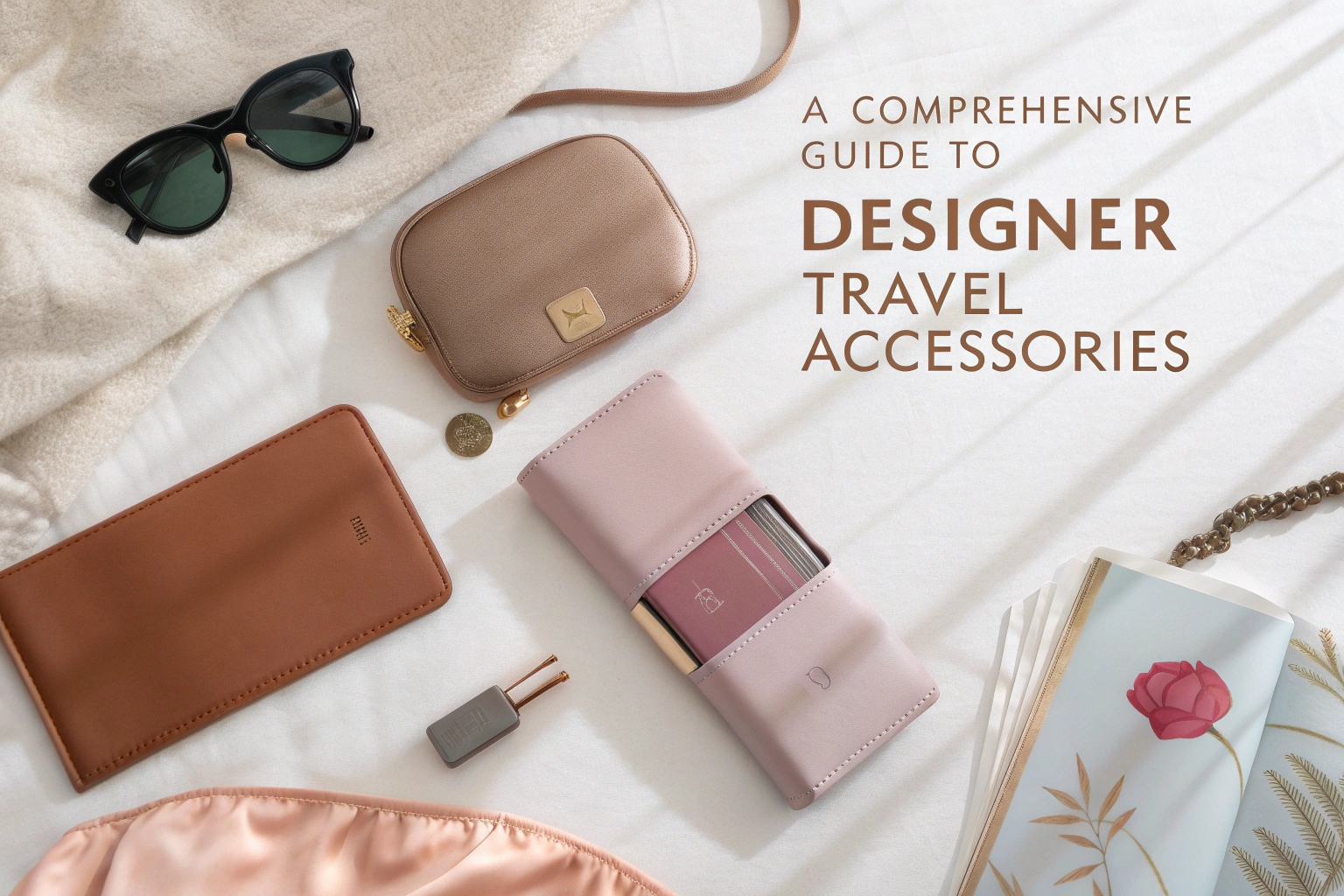
Are you looking to make your travel more comfortable, stylish, and organized with designer travel accessories?
You can transform the way you travel by choosing accessories that combine form and function. This guide walks you through everything from luggage construction and signature features to practical buying, care, and packing advice so you can select pieces that match your travel habits and personal style.
Why Choose Designer Travel Accessories?
You might wonder whether designer travel accessories are worth the investment. Designer pieces often deliver higher-quality materials, superior craftsmanship, better warranties, and long-term value that standard options may not offer.
When you choose designer accessories, you also get thoughtful design elements—smooth zippers, reinforced corners, and smart compartmentalization—that make everyday travel less stressful. These items tend to perform better over time and can become reliable travel companions for years.
Understanding the Types of Designer Travel Accessories
There’s a wide range of designer travel accessories to consider, each solving a different travel need. Knowing what each type does will help you build a coherent travel kit that fits the way you travel.
Whether you’re a frequent business traveler or someone who takes leisure trips a few times a year, choosing the right combination—from luggage to tech organizers—will make packing and transit more efficient and enjoyable.
Designer Luggage (Hardshell vs Softshell)
Your luggage is usually the biggest and most visible investment when traveling. Hardshell suitcases offer superior protection for fragile items, while softshell cases provide more flexibility and exterior pockets for quick access.
Think about the destinations and travel conditions you typically face. If you check your bags often or carry valuable items, a strong hardshell made from polycarbonate or aluminum might be your best bet. If you prefer lightweight mobility and expandable storage, a high-quality softshell could be ideal.
Carry-Ons and Personal Items
Carry-ons and personal item bags keep essentials within reach. Designer carry-ons often include smart compartments, telescoping handles, and durable wheels that make navigating airports far easier.
Personal items, such as tote bags or crossbodies, are an opportunity to keep travel documents, devices, and comfort items accessible. Choose pieces with secure closures and RFID protection if you value peace of mind.
Travel Backpacks and Weekenders
Backpacks and weekender bags blend convenience with style and are perfect for short trips or as complementary carry items. Designer backpacks often prioritize ergonomics, padded laptop compartments, and refined details.
A well-made weekender can double as a gym bag or everyday weekend carry, so look for leather or technical fabrics that balance durability with a polished look.
Packing Cubes and Organizers
Packing cubes and organizers increase packing efficiency and protect garments from wrinkles. Designer organizers often come in multiple sizes with premium fabrics and zippers that glide smoothly.
Using cubes makes unpacking and locating items easier while helping you compress clothing to maximize space. They’re indispensable for organized, stress-free travel.
Toiletry Kits and Dopp Kits
A dedicated toiletry kit keeps liquids and grooming tools contained and accessible. Designer dopp kits frequently use waterproof linings and structured shapes to prevent spills and maintain a neat interior.
Look for compartments and removable hanging options for hotel bathrooms or uneven surfaces. Durable materials ensure the kit holds its shape and stays clean over time.
Electronics Organizers and Tech Cases
Electronics organizers are essential if you travel with chargers, cables, and multiple devices. Designer tech cases offer padded pockets and cable management to prevent tangle and damage.
Many have dedicated power-bank pockets and RFID-safe compartments. These organizers make it quick to pass through security and maintain order in your carry-on.
Passport Holders, Travel Wallets, and Card Cases
Passport holders and travel wallets keep documentation accessible and secure. Designer options often include slots for boarding passes, currency, and cards, with added features like RFID-blocking layers.
You’ll appreciate a streamlined travel wallet when moving quickly through checkpoints or accessing multiple currencies.
Travel Pillows, Eye Masks, and Comfort Accessories
Comfort accessories improve rest on long flights or overnight trains. Designer travel pillows and eye masks often use premium materials—memory foam, silk, or cashmere blends—for superior comfort and aesthetics.
Compact and compressible designs are ideal so you don’t waste space in your carry-on.
Luxury Travel Accessories: Jewelry and Watch Cases
If you bring valuables, a small designer jewelry or watch case keeps items protected and organized. These accessories are structured to cushion delicate pieces and often offer secure closures or key-lock features.
They’re especially useful when you travel for special events or want to avoid packing valuables in checked luggage.
Materials and Craftsmanship: What Matters
Material selection and manufacturing details determine weight, durability, and maintenance needs. Knowing material strengths helps you choose items that match your lifestyle and expected wear.
Below is a quick comparison of common materials used in designer travel accessories and what they imply about performance and upkeep.
| Material | Advantages | Drawbacks | Best Uses |
|---|---|---|---|
| Leather (Full-grain/Top-grain) | Luxurious look, ages well, durable | Heavier, requires care, sensitive to moisture | Weekenders, totes, passport wallets, high-end luggage accents |
| Coated Canvas (e.g., Monogram Canvas) | Lightweight, stain-resistant, iconic | Can stiffen over time, limited stretch | Luxury totes, luggage exteriors, travel pouches |
| Polycarbonate | Lightweight, strong, impact-resistant | Can scratch, shows scuffs | Hardshell luggage |
| Aluminum | Very protective, premium aesthetic | Heavier, prone to dents | Premium hardshell luggage |
| Ballistic Nylon / Cordura | Highly durable, abrasion-resistant | Can look utilitarian, less structured | Backpacks, soft luggage |
| Nylon with Water-Repellent Coating | Lightweight, water-resistant | May fade over time | Toiletry kits, daypacks, packing cubes |
| Silk / Satin (linings) | Gentle on jewelry, luxurious interior | Delicate, stains easily | Jewelry cases, premium linings |
You’ll want to weigh these factors against your travel patterns. If you travel in wet climates often, prioritize water resistance. If you value timeless appearance, leather and coated canvas are appealing, but plan for extra care.
How to Choose the Right Designer Travel Accessories for You
Selecting the right pieces depends on your travel frequency, destinations, and personal priorities like weight, style, and sustainability. Here are the main criteria to keep in mind when shopping.
- Travel frequency: Frequent flyers should prioritize durability and warranty; occasional travelers can prioritize style and value.
- Trip length and purpose: Business travelers may need organized laptop compartments, while leisure travelers might need expandable luggage and roomy toiletry kits.
- Weight and portability: Heavier materials look premium but add to airline fees and carry burden.
- Security features: TSA-approved locks, RFID protection, and discreet compartments reduce risk during transit.
- Budget and resale: Designer items can be investments with higher resale value if maintained well.
Use the checklist below to evaluate accessories before buying.
| Consideration | Question to Ask Yourself |
|---|---|
| Durability | Will this survive my typical travel conditions? |
| Weight | Is the weight manageable when full? |
| Organization | Does it have compartments I’ll actually use? |
| Warranty/Service | Does the brand offer repair service or warranty? |
| Style vs Function | Is the design practical or pure aesthetics? |
| Security | Are there built-in locks or RFID protection? |
| Cost vs Value | Will this save time, stress, or last long enough to justify cost? |
Top Designer Brands and What They Offer
Knowing brand strengths helps you match a brand’s signature features to your needs. Here are some widely recognized names and what they’re typically known for.
Rimowa
Rimowa is synonymous with premium hardshell luggage, particularly aluminum and grooved polycarbonate designs. You’ll get top-tier build quality, smooth telescoping handles, and a signature aesthetic that stands out on baggage carousels.
Their cases often include precise engineering, strong corner protection, and a long repair network, making them ideal if you value durability and a distinctive look.
Tumi
Tumi focuses on functional excellence with a professional aesthetic. You’ll find durable ballistic nylon, intelligent organization panels, and practical features like garment sections and integrated TSA locks.
Tumi’s customer service and warranty offerings are strong, so it’s a solid choice for frequent business travelers.
Louis Vuitton
Louis Vuitton pairs couture style with durable coated canvas and leather trim. Their trunks and rolling luggage pieces are iconic and often considered fashion statements, combining prestige with long-lasting materials.
If status and classic design matter to you, Louis Vuitton offers unmistakable style and high resale value.
Bottega Veneta, Gucci, and Other Luxury Houses
High-fashion brands provide refined leather goods and accessories with distinctive design cues. You’ll often find exquisite craftsmanship and materials, ideal for travelers who prioritize style and brand identity.
That said, these items might be less performance-focused than specialist luggage brands.
Bric’s and Samsonite (Higher-end Collections)
Some mainstream luggage brands offer premium sub-lines that blend design and functionality. Bric’s often emphasizes Italian craftsmanship and leather accents, while Samsonite’s higher-end collections incorporate advanced materials and mobility features.
These alternatives can provide performance similar to luxury brands at a more approachable price.
Off-Label and Boutique Designers
Smaller designers and niche brands create unique designs with special materials or ethical production practices. You’ll find handcrafted details, limited runs, and an emphasis on sustainability in many boutique lines.
Consider these if you want something less common and more aligned with ethical values.
| Brand Category | Typical Strengths | Who Should Consider |
|---|---|---|
| Luggage Specialists (Rimowa, Tumi) | Durability, engineering, warranty | Frequent travelers, business travelers |
| Luxury Houses (Louis Vuitton, Gucci) | Iconic style, high resale | Image-conscious travelers, collectors |
| Premium Mainstream (Bric’s, Samsonite premium) | Value + function | Balanced travelers who want performance and price |
| Boutique/Ethical Designers | Unique design, sustainability | Conscious consumers, trendsetters |
Key Features to Look For
Knowing which features matter most helps you cut through marketing and choose accessories that will truly serve you.
- Wheels: Four spinner wheels allow easy maneuverability; two-wheel setups can be more stable on rough surfaces.
- Handles: Look for durable telescoping handles with comfortable grips and multiple height stops.
- Zippers and Hardware: YKK zippers and reinforced hardware last longer and resist jamming.
- Expandability: Zipper expansion gives flexibility if you bring back purchases.
- Compartments: Dedicated laptop, shoe, and laundry sections make packing cleaner.
- Locks and Security: Built-in TSA-approved locks and anti-theft closures are practical.
- Water Resistance: Essential for toiletry kits and travel bags used in rainy climates.
- Weight: Compare empty weights to airline carry-on allowances to avoid fees.
Caring for Your Designer Accessories
Proper care extends the life of any designer piece. Regular cleaning, correct storage, and prompt repair keep items functional and attractive.
Below are practical care tips for common materials and a simple maintenance schedule.
| Material | Cleaning & Care | Storage Tips |
|---|---|---|
| Full-Grain Leather | Wipe with damp cloth; use leather conditioner twice yearly | Store in breathable dust bag; stuff with acid-free paper |
| Coated Canvas | Wipe with mild soap and water; avoid harsh solvents | Hang or store flat in cool, dry place |
| Polycarbonate | Clean with soft cloth and mild detergent; buff out minor scuffs with plastic polish | Keep in protective cover; avoid stacking heavy items |
| Aluminum | Wipe with microfiber; avoid abrasive cleaners; minor dents can be repaired by pros | Store vertically if possible to minimize pressure |
| Ballistic Nylon | Spot clean with mild detergent; air dry | Store away from sharp objects to avoid snags |
| Silk/Satin Linings | Spot-clean or professional cleaning only | Store kit closed to minimize dust |
Maintenance schedule:
- After every trip: Empty, air out, and remove debris. Spot clean spills immediately.
- Monthly (for frequent travelers): Clean exterior surfaces, check wheels and handles, lubricate zippers lightly if needed.
- Annually: Condition leather, deep-clean linings, inspect and replace worn straps or hardware.
- Immediately: Seek professional repair for broken wheels, damaged telescoping handles, or significant structural problems.
Security, Tracking, and Insurance
Security is a practical priority. Designer accessories can be targets, so add layers of protection.
- Use TSA-approved locks for checked luggage; use discreet closures or lockable compartments for carry items.
- Consider a small tracking device (GPS or Bluetooth) in checked luggage for recovery if lost. Keep in mind airline restrictions on batteries and placement.
- Insure high-value designer luggage and accessories either through your homeowners/renters policy or dedicated travel insurance. Obtain valuations and receipts for items over a certain value.
- Personalization like monograms or unique tags helps you identify and recover your items quickly, but avoid putting full names where they can be easily seen by strangers.
Styling and Coordinating Your Travel Look
Designer travel accessories are as much about image as function. You can create a cohesive travel aesthetic with color choices, matching textures, and subtle branding.
- Matching sets: A luggage set, dopp kit, and passport holder in similar materials creates a polished look.
- Neutral palette: Black, tan, navy, or gray pieces are versatile and age elegantly.
- Accent pieces: Use a bright carry-on or patterned scarf to add personality without overwhelming your kit.
- Monograms and tags: Personalize discreetly to retain exclusivity while making identification simpler.
You’ll feel more confident moving through airports and meetings when your travel kit reflects your personal style.
Pros and Cons of Investing in Designer Travel Accessories
Weighing the advantages and downsides helps you decide if designer accessories align with your priorities.
Pros:
- Durability and longevity that often justify the upfront cost.
- Superior warranties and repair services.
- Enhanced function and thoughtful design details.
- Potential resale value, especially for iconic or limited-edition pieces.
Cons:
- Higher initial investment and risk of theft due to visibility.
- Weight and care needs (especially leather).
- Some high-fashion items prioritize looks over functional features like compartments or expandability.
If value and longevity matter to you, designer accessories can be smart purchases. If you travel occasionally or prioritize affordability, consider premium mainstream brands or secondhand designer options.
Sustainable and Ethical Considerations
If you care about sustainability, assess a brand’s materials, manufacturing practices, and repairability. Many designers now offer recycled fabrics, vegetable-tanned leather, or take-back programs.
- Check whether a brand provides repairs and spare parts—this extends product life and reduces waste.
- Consider buying pre-owned designer accessories from reputable consignment stores. You’ll get high-quality pieces with a smaller environmental footprint.
- Avoid disposable or heavily trend-driven items that will be replaced quickly.
Your purchase choices can support more ethical production methods and reduce the environmental impact of your travel kit.
Packing Tips Using Designer Accessories
Designer accessories can improve packing efficiency and make moving through transit quicker. Follow these practical tips to get the most from your investment.
- Roll lightweight garments and fold structured pieces to maintain shape. Use packing cubes to separate outfits, underwear, and electronics.
- Place heavier items near wheels in checked luggage to improve balance and handling.
- Keep essentials—chargers, travel documents, a spare outfit—inside your personal item for quick access.
- Use a separate compartment or small pouch for toiletries with secure closures to avoid spills.
- Keep jewelry and valuables in a compact, padded case inside your carry-on.
- Layer scarves or wraps in outer compartments for easy access and temperature control on flights.
Below is a sample packing checklist for a 5-day trip using designer accessories.
| Category | Item | Recommended Accessory |
|---|---|---|
| Clothing | 5 outfits + 1 smart outfit | Packing cubes (2 sizes) |
| Shoes | 2 pairs (one smart, one casual) | Shoe compartment or shoe bag |
| Toiletries | Basics + travel liquids | Waterproof toiletry kit |
| Electronics | Laptop, tablet, phone, chargers | Tech organizer |
| Documents | Passport, boarding pass, cards | Travel wallet/passport holder |
| Valuables | Jewelry, watches | Small jewelry case |
| Comfort | Travel pillow, eye mask | Compact pillow, silk mask |
| Misc | Umbrella, laundry bag | Exterior pocket or weekender |
Where to Buy and How to Authenticate Designer Accessories
You’ll want to purchase from trusted sources to avoid counterfeits and secure warranty coverage.
- Buy directly from brand boutiques, official websites, or authorized department stores.
- Consignment stores and certified pre-owned marketplaces are great for saving money; check their authentication process.
- Look for telltale signs of authenticity: high-quality stitching, brand markings in the right fonts and locations, serial numbers, and original dust bags or receipts.
- Request service or repairs only from authorized centers to preserve warranties and maintain resale value.
If in doubt, seek professional authentication services, especially for high-value designer luggage or rare pieces.
Common Mistakes to Avoid
Avoiding common mistakes will save you frustration and maintain the value of your items.
- Don’t overpack or ignore weight limits; this can strain zippers and handles.
- Avoid storing leather in plastic or damp conditions to prevent mildew and cracking.
- Don’t neglect wheel maintenance—clean debris and check for wear after rough trips.
- Don’t rely solely on style; ensure the piece has the features you need for practical travel.
- Don’t skip warranty registration for repair coverage and service benefits.
Being mindful of these pitfalls will keep your accessories functional and looking great.
Maintenance Schedule and Quick Reference
A simple routine keeps your travel accessories in top shape and extends their usable life. Use this as your quick reference.
- After each trip: Empty and air out bags, shake out debris, wipe exterior.
- Monthly (frequent travelers): Clean surfaces, condition leather lightly, test zippers and wheels.
- Quarterly: Inspect stitching, check linings for stains, address minor repairs.
- Yearly: Professional deep-clean or refurbish as needed; consider servicing wheels/handles.
Keep receipts, photos of items, and warranty info in a safe place for insurance or resale.
Final Thoughts
You can achieve a perfect balance of practicality and elegance with designer travel accessories when you choose pieces that fit how and where you travel. Investing in a few well-made items luggage, a toiletry kit, and a tech organizer often yields the most daily benefit.
Take your time selecting materials, features, and brands that match your priorities, and commit to regular care. With the right choices, your accessories will not only simplify travel but also become a signature part of how you present yourself on the road.