
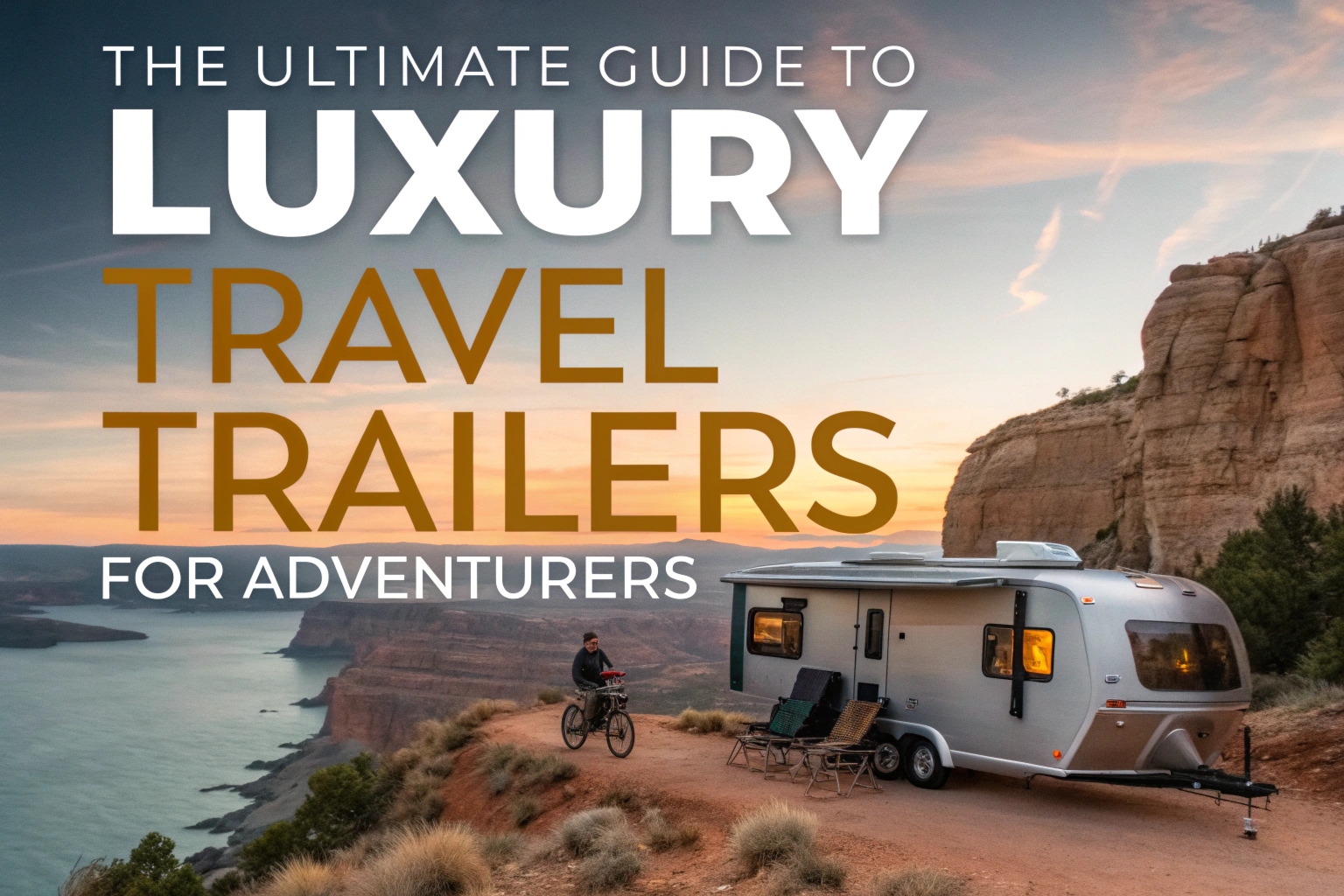
Are you ready to rethink how you travel and bring the comforts of home to the road?
The Ultimate Guide To Luxury Travel Trailers For Adventurers
You’re about to get a comprehensive, friendly walkthrough of luxury travel trailers designed for adventurers like you who want comfort without giving up mobility. This guide breaks down key choices, technical considerations, lifestyle tips, and buying strategies so you can make confident decisions and enjoy the journey.
Why choose a luxury travel trailer?
You want more than a tent or a basic camper — you want comfort, durability, and convenience while staying mobile. Luxury travel trailers provide upscale amenities, thoughtful design, and robust construction so you can focus on experiences instead of compromises.
Comfort and amenities
Luxury trailers give you high-quality sleeping areas, full kitchens, and modern bathrooms that make extended trips pleasant. You’ll appreciate features like premium mattresses, solid-surface countertops, and residential-style appliances when you spend nights on the road.
Durability and build quality
Premium models often use stronger frames, better insulation, and superior materials to stand up to frequent travel and varied climates. You’ll find that investment in build quality lowers maintenance headaches and preserves resale value.
Types of luxury travel trailers
There are several trailer types that qualify as “luxury,” and each matches different priorities for space, towing, and amenities. You’ll want to compare models to your towing capability, lifestyle needs, and desired living footprint.
Conventional travel trailers
Conventional travel trailers range from compact couples’ models to large family units with multiple slide-outs. You’ll like these if you want versatility — they hitch to a ball mount on most trucks and SUVs.
Fifth-wheel trailers
Fifth-wheels connect to a truck bed hitch and typically offer taller ceilings and more interior space. You’ll prefer them when you want residential-style layouts, separate master suites, and superior living-area flow.
Toy haulers
Toy haulers include a rear garage area for bikes, ATVs, or gear, often convertible into additional sleeping or living space. You’ll choose a toy hauler if your adventures involve heavy equipment but you still demand upscale features.
Ultra-light luxury trailers
Ultra-light luxury models use advanced materials to minimize weight while maintaining high-end finishes. You’ll enjoy these if your vehicle has limited towing capacity but you don’t want to sacrifice comfort.
Key luxury features to prioritize
Knowing which features are most important will help you narrow choices and justify costs. Some items greatly improve daily comfort and usability, while others are more about prestige.
Sleeping and bedding
Look for high-quality mattresses (memory foam or hybrid), blackout window treatments, and smart storage under beds. You’ll sleep better and have more usable space when these elements are thoughtfully implemented.
Kitchen and appliances
Residential refrigerators, convection ovens, induction or high-efficiency cooktops, and solid-surface counters are common upgrades. You’ll appreciate an efficient kitchen when cooking on longer trips and entertaining friends.
Climate control and insulation
Variable-speed ACs, diesel or electric furnaces, and superior insulation packages extend seasonality. You’ll stay comfortable whether camping in a desert summer or a chilly mountain spring.
Bathroom and plumbing
Full-size showers, porcelain toilets, and quality faucets matter for comfort and long-term reliability. You’ll want plumbing systems that are easy to maintain and winterize if you travel in cold months.
Entertainment and connectivity
Built-in smart TVs, sound systems, and high-gain antennas or satellite-ready wiring keep you connected. You’ll find value in strong connectivity if you work remotely or want reliable entertainment on rainy days.
Layouts and floorplans: finding the right fit
Floorplan selection influences how you live in the trailer, how you store gear, and how many guests you can host. You’ll want to visualize daily routines and sleeping arrangements before choosing a layout.
Single-slide vs multi-slide layouts
Single-slide layouts save weight and complexity but offer less living expansion than multi-slide designs. You’ll pick single-slide if you prioritize simplicity and towability; choose multi-slide for more living space and better flow.
Open concept vs compartmentalized
Open-concept interiors offer spaciousness and social spaces, while compartmentalized plans give privacy and dedicated zones. You’ll choose open layouts for entertaining and compartmentalized plans for privacy and sleeping separation.
Garage and flex spaces
Flexible garages in toy haulers or convertible dinette/sofa areas increase versatility. You’ll benefit from flex spaces when you want to repurpose storage for guests, work, or hobbies.
Towing, hitching, and vehicle requirements
Towing safety and compatibility are non-negotiable. Your vehicle choice and hitch setup determine how you’ll tow — and how much trailer you can comfortably handle.
Gross Vehicle Weight Ratings (GVWR) and towing capacity
You must match trailer GVWR to your tow vehicle’s capacity, keeping margin for cargo, fluids, and passengers. You’ll use the tow vehicle’s spec sheet and a trailer weight calculator to avoid overloading.
Trailer weight categories and recommended tow vehicles
Below is a simple table showing typical trailer weight categories with the vehicle classes that commonly handle them.
| Trailer Category | Typical Loaded Weight (lbs) | Common Tow Vehicles |
|---|---|---|
| Ultralight luxury | 2,500–4,500 | Mid-size SUVs, crossovers |
| Light travel trailers | 4,500–7,500 | Full-size SUVs, half-ton trucks |
| Mid-range trailers | 7,500–10,000 | Heavy half-ton trucks, light three-quarter-ton |
| Fifth-wheels & large units | 10,000–18,000+ | Three-quarter-ton and one-ton trucks |
You’ll use a margin of safety: don’t plan to tow at the very limit of your vehicle’s rating.
Hitch types and installation
Standard ball hitches work for most travel trailers; fifth-wheels require in-bed hitches, and weight-distributing hitches improve stability. You’ll consult professional installers to match hitch class to trailer tongue weight and towing style.
Braking systems and sway control
Integrated trailer brakes, electronic brake controllers, and sway control systems are essential for safe handling. You’ll reduce stopping distances and road wobble by investing in quality braking and stabilization tech.
Budgeting: what luxury costs and where the money goes
Luxury trailers vary widely in price. You’ll budget not only for the trailer but also taxes, registration, insurance, hitches, and long-term maintenance.
Purchase price ranges
Entry-level luxury trailers can start in the high tens of thousands, while well-equipped fifth-wheels and large coach-like trailers climb into six figures. You’ll find value in mid-range models if you balance features and resale prospects.
Ongoing costs (insurance, maintenance, storage)
Insurance, scheduled maintenance, tire replacement, and seasonal storage add recurring expenses. You’ll budget 1–3% of purchase price annually for maintenance and set aside funds for tires and brake service.
Fuel and towing economy
Towing significantly increases fuel consumption; heavier trailers and windier profiles have larger impacts. You’ll calculate trip fuel costs using your tow vehicle’s mpg while towing versus unloaded driving.
Example budget table
This table shows a simplified annual cost estimate for owning a mid-range luxury trailer.
| Expense Category | Estimated Annual Cost |
|---|---|
| Insurance | $600–$1,500 |
| Maintenance & repairs | $800–$2,500 |
| Storage | $600–$2,400 |
| Tires (replacement every 3–5 years) | $400–$1,200 (annualized) |
| Fuel premium for towing | $1,500–$4,000 |
| Total estimated annual cost | $3,900–$11,600 |
You’ll use these numbers as a starting point and adjust to your usage pattern and local rates.
New vs used: pros and cons
Choosing new or used affects price, warranty, and the amount of customization you’ll do. You’ll weigh reliability, residual value, and personalization needs when selecting a purchase path.
Advantages of buying new
New trailers come with manufacturer warranties, the latest features, and the satisfaction of first ownership. You’ll also benefit from up-to-date safety and technology integration.
Advantages of buying used
Used trailers often deliver steep savings and potential for negotiation, though they require thorough inspection. You’ll find good value in lightly used units if you verify service history, structural soundness, and any past accident or water damage.
Inspection checklist for used trailers
You should inspect the frame, undercarriage, roof seams, appliances, plumbing, electrical systems, and slide mechanisms. You’ll also check for signs of water damage (soft spots, staining, odor) and request prior maintenance records.
Customization and upgrades
Personalizing your trailer elevates comfort and functionality and often increases resale value if done thoughtfully. You’ll decide between factory options, dealer-installed upgrades, and aftermarket modifications.
Common factory upgrades
Factory options of interest include insulation packages, upgraded appliances, solar-ready wiring, and premium interior finishes. You’ll save money and align expectations by selecting must-have factory features before buying.
Aftermarket modifications
Common aftermarket upgrades include solar arrays, lithium battery systems, upgraded awnings, and advanced entertainment packages. You’ll work with certified installers for electrical and structural changes to maintain warranty coverage where applicable.
DIY upgrades you can tackle
Simple improvements like drawer organizers, mattress toppers, and magnetic spice racks are easy to add. You’ll handle small projects yourself but hire professionals for gas, propane, and complex electrical work.
Maintenance, storage, and seasonality
Keeping your trailer in top condition extends longevity and protects your investment. You’ll establish routines for seasonal care, preventative maintenance, and long-term storage.
Roof and exterior care
Regularly inspect roof seals, seams, and slide seals, and reseal as needed to prevent water intrusion. You’ll clean and treat exterior surfaces annually and repair small issues before they grow.
Mechanical and chassis service
Brakes, wheel bearings, tires, and suspension components require periodic servicing. You’ll follow the manufacturer’s maintenance schedule and inspect tires and brakes before every long trip.
Winterization and summer prep
Winterize water systems to prevent freezing damage and de-winterize in spring with flushing and sanitization. You’ll also prepare cooling systems and seals for hot climates and treat AC units and vents for dust and pollen.
Technology, power systems, and off-grid capability
If you plan extended stays off-grid, power systems and energy management become central to your experience. You’ll evaluate battery chemistry, solar capacity, and inverter sizing for true off-grid comfort.
Battery types: lead-acid vs lithium
Lithium batteries offer higher usable capacity, lighter weight, and longer lifecycles compared with lead-acid options. You’ll consider lithium if you want deeper discharge and reduced maintenance, despite higher upfront cost.
Solar and charging setups
Solar arrays paired with MPPT charge controllers and sufficient battery banks provide autonomy when you’re away from shore power. You’ll size the system based on daily energy use, roof space, and sunlight availability.
Inverters and power management
A quality inverter and automatic transfer switch allow seamless transition between shore, generator, and battery power. You’ll choose inverter capacity to run essential appliances and ensure safe power distribution.
Safety, legal, and operational considerations
Operating a luxury trailer safely requires understanding local regulations, vehicle limits, and emergency preparedness. You’ll comply with weight limits, lighting, and brake laws to protect yourself and others.
Licensing and registration
Check your state’s registration and licensing rules for trailers and weights. You’ll keep registration, insurance, and ownership documentation current and accessible.
Emergency and safety equipment
Carry a tire repair kit, jack rated for your trailer, wheel chocks, fire extinguisher, carbon monoxide and propane detectors, and first-aid supplies. You’ll also keep roadside assistance numbers and a plan for common towing issues.
Campground rules and codes
Many parks have specific rules about generator hours, quiet hours, and waste disposal. You’ll respect local regulations and campground guidelines to maintain community access and avoid fines.
Camping styles and how a luxury trailer fits
Your camping style — weekend trips, full-time living, boondocking, or family vacations — determines the best trailer features. You’ll match trailer selection with how and where you’ll spend most of your time.
Weekend and seasonal travel
If you camp mainly on weekends, prioritize ease of setup, towability, and amenities that enhance short stays. You’ll benefit from quick levelers, intuitive hookups, and minimal pre-trip prep.
Long-term and full-time living
For living full-time, prioritize storage, residential appliances, upgraded insulation, and robust power and water systems. You’ll also want durable finishes and efficient HVAC systems for year-round comfort.
Boondocking and remote stays
When planning off-grid stays, an emphasis on water capacity, energy autonomy, and self-sufficiency is critical. You’ll look for large freshwater tanks, gray/black water solutions, solar and battery systems, and rugged undercarriage protection.
Where to camp and how to plan trips
Choosing campgrounds, state parks, or dispersed sites affects your travel experience, costs, and access to amenities. You’ll plan based on your desired solitude, hookups, and proximity to activities.
National and state parks
State and national parks provide scenic locations and often excellent amenities but may have size or length-of-stay restrictions. You’ll reserve early for peak seasons and check site dimensions to ensure your trailer fits.
Private RV resorts and membership parks
Private resorts offer full hookups, premium amenities, and often community events tailored to longer stays. You’ll use these facilities for socializing, dump/water services, and as reliable service points.
Dispersed and backcountry camping
Dispersed camping gives solitude and lower costs but requires self-sufficiency and Leave No Trace practices. You’ll scout terrain, ensure accessibility for your trailer, and respect land-use rules.
Packing, organization, and daily living tips
Good organization makes living in a luxury travel trailer feel less cramped and more functional. You’ll adopt storage strategies, packing lists, and living routines to maximize space and minimize stress.
Smart storage solutions
Use drawer dividers, vertical organizers, and overhead nets to keep things secure while driving. You’ll label containers and create zones for cooking, tools, and clothing to streamline daily life.
Meal planning and provisioning
Plan meals to minimize unpacking and waste while taking advantage of your residential-grade appliances. You’ll rely on meal prep, multi-use ingredients, and a compact pantry system.
Managing laundry and gear
Portable washers, laundromats, and onboard washing setups help manage clothing for extended trips. You’ll use weatherproof bins for outdoor gear and establish a routine for airing wet items.
Environmental and sustainability considerations
You can make choices that reduce your environmental footprint while enjoying trailer travel. You’ll be more sustainable by reducing energy use, managing water wisely, and selecting eco-friendly upgrades.
Water conservation and gray-water practices
Low-flow fixtures, mindful dishwashing, and reusing rinse water for non-potable tasks reduce demand on freshwater tanks. You’ll also follow campground rules for gray-water disposal and use biodegradable soaps.
Energy-efficient appliances and solar
Choose Energy Star or highly efficient appliances, LED lighting, and solar to lower overall energy use. You’ll reduce generator runtime and use quieter systems to minimize noise and emissions.
Responsible waste management
Pack out trash, compost where allowed, and use dump stations responsibly for black- and gray-water disposal. You’ll plan resupply and dumping stops to avoid overfilling tanks and impacting the environment.
Resale value and lifecycle considerations
Luxury trailers can retain value if well maintained and appropriately upgraded. You’ll maximize resale by keeping records, avoiding major structural mods that complicate sales, and choosing popular layouts.
Timing your sale
Market demand peaks in certain months (spring and summer). You’ll list during high demand, present your trailer well (clean interior, smoothed dents), and provide full service histories.
Documentation and records
Keep receipts for upgrades, services, and inspections to prove maintenance and care. You’ll show buyers that the trailer was looked after and that all safety items were serviced.
Final checklist before you buy
A practical pre-purchase checklist ensures you don’t miss critical items that affect ownership. You’ll go through this checklist with a salesperson or private seller before signing.
- Verify GVWR, dry weight, and cargo carrying capacity
- Inspect roof seams, slide seals, frame, and undercarriage
- Test appliances, furnace, AC, and plumbing systems
- Confirm hitch compatibility and braking systems
- Review warranty coverage and transferability
- Check for past water damage and request a professional inspection if used
You’ll use this checklist to negotiate with confidence and avoid costly surprises after purchase.
Conclusion: making the right luxury trailer choice for your adventures
Choosing a luxury travel trailer is about matching priorities: comfort, towing capability, off-grid readiness, and budget. You’ll benefit from careful research, realistic budgeting, and hands-on inspections so your trailer supports the lifestyle and adventures you want.
Next steps you can take now
Visit dealerships, attend RV shows, and test-drive towing setups to get real-world impressions of trailers and rigs. You’ll consult with fellow owners, read model-specific reviews, and create a must-have feature list to guide your search.
You’ve now got a thorough roadmap to making an informed luxury travel trailer purchase and living well on the road. Keep your priorities clear, your safety practices current, and your sense of adventure strong your trailer will be a comfortable base for many great journeys.