
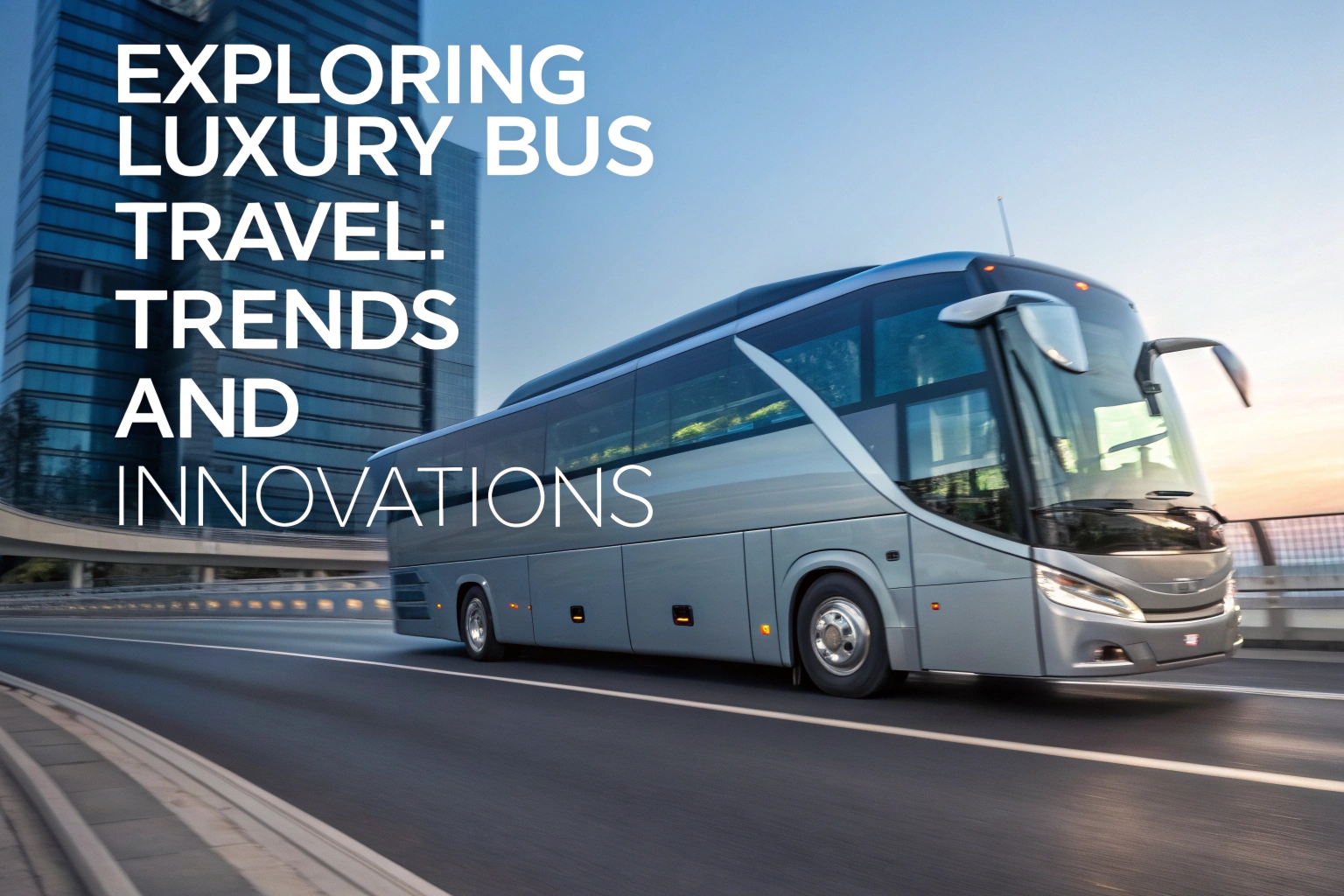
Have you noticed how much bus travel has changed and how your next long-distance trip could be more comfortable, safer, and smarter than you expect?
Luxury Bus Travel: Trends And Innovations
This article walks you through the major trends and technological advancements transforming premium coach travel. You’ll get a clear understanding of what defines luxury bus travel today, how operators are raising the bar, and what you can expect from future journeys. Every section includes practical detail so you can make better choices when booking or designing a premium bus experience.
What is “luxury” in bus travel?
Luxury in bus travel means more than plush seats. It’s a combination of comfort, convenience, technology, service, and reliability that together create an experience often comparable to first-class air travel for certain routes. You’ll find varying levels—from upgraded intercity coaches with extra legroom to bespoke, hotel-style coach services that handle everything from gourmet meals to concierge services.
Why the rise in premium coach options matters to you
You might choose a luxury coach for cost-effectiveness, convenience, environmental reasons, or simply to enjoy the journey. These services often bridge the gap between affordable mass transit and expensive private transport, giving you a middle ground where time, comfort, and sustainability are balanced.
Market drivers for luxury bus travel
Market forces, customer expectations, and technology are all pushing premium coach offerings forward. Below are the primary drivers shaping the sector.
Changing traveler expectations
As travelers become accustomed to high standards in hotels and airlines, you’ll expect similar amenities on the road. That means better seating, reliable connectivity, personalized service, and transparent pricing. Operators have responded by raising service levels, and you benefit from increased comfort and predictable quality.
Environmental and economic factors
Buses generally have lower emissions per passenger-kilometer than cars and planes. You might pick a luxury coach for sustainability reasons without sacrificing comfort. Economically, higher-margin premium services help operators invest in better vehicles and staff training, making the whole network more resilient.
Urbanization and regional connectivity
Growing urban populations and congested airports make point-to-point road travel attractive for medium-distance trips (roughly 2–8 hours). You’ll find premium coaches increasingly used for intercity travel where trains or flights are less convenient or more costly.
Advances in vehicle technology
Better chassis, lighter materials, improved engines, and electrification are enabling quieter, more efficient, and more comfortable coaches. You benefit from smoother rides, lower noise levels, and new onboard systems that improve safety and entertainment.
Coach design and passenger comfort
Vehicle design is central to the luxury experience. From seat layout to noise insulation, design choices directly affect how relaxed and productive your journey will be.
Seating and space configuration
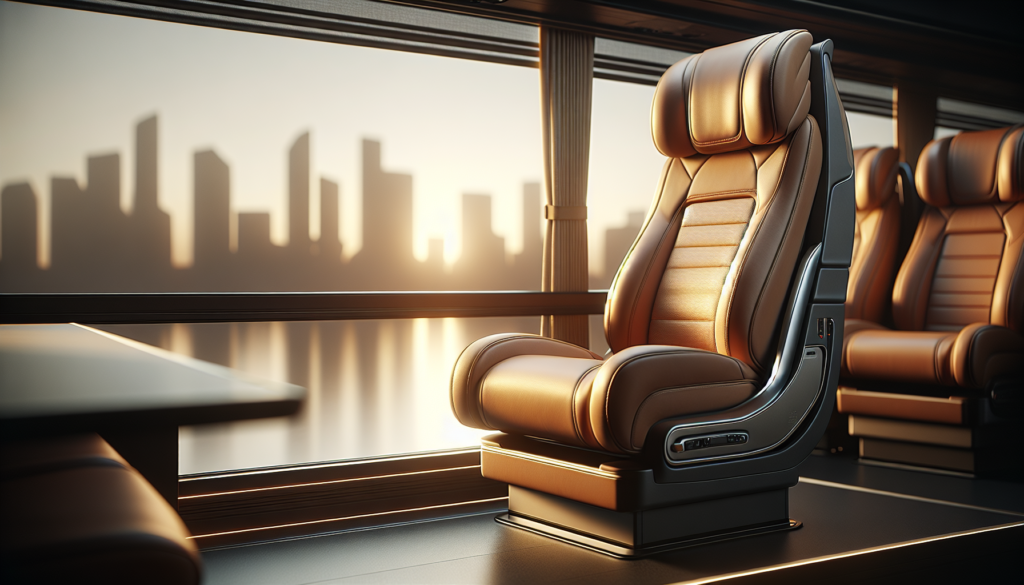
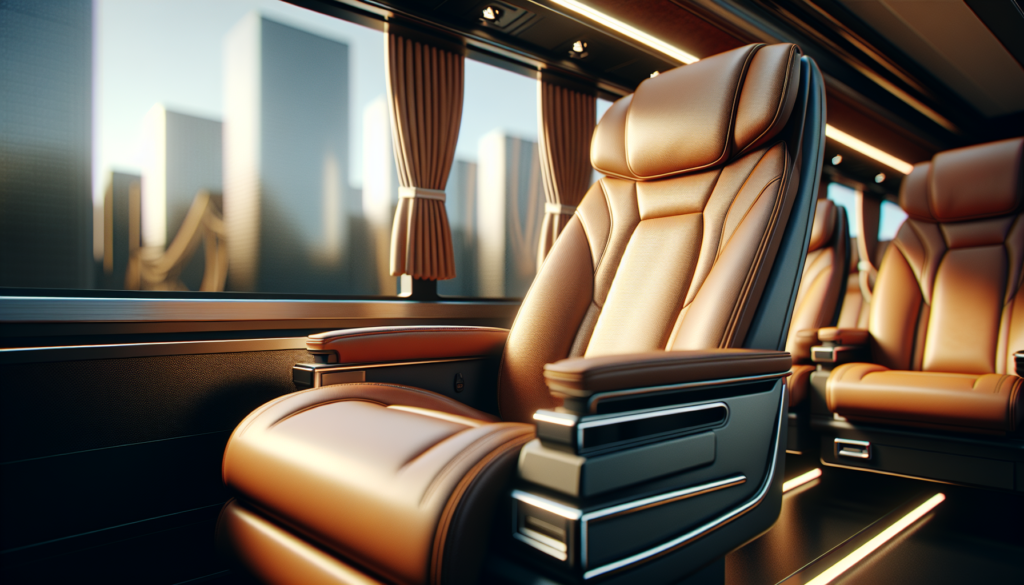
Luxury buses use a variety of seat layouts: wider reclining seats, 2+1 arrangements (two seats on one side, one on the other), and modular zones that convert between seating and sleeping areas. You should look for generous seat pitch (legroom), individual armrests, footrests, and adjustable head and lumbar supports.
Sleeping berths and private cabins
For overnight or long-haul daytime services, some premium coaches offer sleeper berths, mini-cabins, or pod seating that give privacy and lie-flat options. These designs resemble small private rooms on a train and allow you to arrive refreshed.
Noise control and ride comfort
Luxury coaches invest in active and passive noise reduction—better suspension, aerodynamic design, interior soundproofing, and engine mounting systems. You’ll notice less vibration and a calmer environment for sleep or work.
Climate control and air quality
Multi-zone climate control lets you adjust temperature and airflow in different areas of the bus. Advanced filtration systems improve cabin air quality, an important feature if you’re sensitive to allergens or worried about airborne pathogens.
Onboard services and amenities
What makes a coach feel premium often comes down to what’s offered during the trip. Amenities have expanded far beyond snacks and magazines.
Gourmet catering and meal service
Many premium services offer on-board meal options, from pre-ordered dinners to snack boxes prepared with quality ingredients. You’ll often have the option to order dietary-specific meals when you book, and some coaches include mini-kitchens for hot drinks and light meals.
Entertainment systems and private screens
Personal screens, curated content, and streaming access are becoming standard. If you want privacy, some operators provide noise-cancelling headphones or separate quiet zones. Screen-based systems often include maps and travel information so you always know where you are.
Connectivity: Wi-Fi, power, and charging
Reliable high-speed Wi-Fi and universal power outlets are essential for work or streaming during travel. You’ll find multiple USB-A, USB-C ports, and AC sockets per seat in premium coaches. Some services include onboard cellular signal boosters or satellite connectivity for consistent internet access in rural areas.
Concierge and customer service
High-end coach services sometimes include pre-trip concierge help: luggage handling, booking changes, special assistance, and local recommendations. During the trip, trained onboard staff handle food service, manage entertainment systems, and attend to passenger needs.
Safety and health innovations
Safety is a significant selling point for premium operators. Modern systems and protocols create a secure, healthy travel environment.
Advanced driver assistance systems (ADAS)
You’ll benefit from technologies such as adaptive cruise control, automatic emergency braking, lane-keeping assist, and driver monitoring systems that reduce fatigue or distraction. These systems lower accident risk and allow for smoother driving.
Structural safety and materials
Higher-end coaches use stronger frames, improved crash energy management, and fire-resistant materials. You’ll notice better seat anchoring and safer luggage compartments.
Health-focused design
After the global attention on infectious disease transmission, many premium coaches upgraded ventilation, implemented antimicrobial surfaces, and introduced touchless interactions for doors and payment. These changes reduce your exposure risk and improve overall comfort.
Emergency systems and training
Luxury operators typically provide rigorous staff training for medical emergencies and have onboard emergency kits, AEDs (automated external defibrillators), and established communication protocols. You’ll feel safer knowing staff are trained and vehicles equipped.
Digital ticketing and personalized experiences
Digital transformation in ticketing, booking, and customer communication makes your travel more seamless and tailored.
Mobile booking and contactless payments
You can handle all booking and payment via apps or mobile sites. Contactless boarding and digital boarding passes speed up the boarding process and reduce friction.
Dynamic pricing and subscription models
Like airlines and trains, bus operators use dynamic pricing. You might find subscription services or membership tiers that offer discounts, guaranteed seats, and other perks if you travel frequently.
Personalization using data
Operators increasingly use passenger preference data—seat choices, meal preferences, frequent routes—to create tailored offerings. You’ll get targeted recommendations and a smoother booking process based on your history.
Integrated travel ecosystems
Premium coach services integrate with other modes—ride-hailing, local transit, and air travel—to provide end-to-end journeys. You may receive coordinated transfers and single-ticket itineraries, reducing the stress of multi-leg trips.
Electrification and alternative fuels
Sustainability is central to modern premium coach strategy. Electric and alternative-fuel buses change both the passenger experience and operational model.
Battery-electric coaches
Battery-electric coaches offer quieter rides, reduced emissions, and lower long-term operating costs. You’ll experience less engine noise and often better air quality onboard. Current limitations include charging infrastructure and range, but innovation is rapidly improving both.
Hydrogen fuel cell buses
Hydrogen fuel cell technology offers fast refueling and long-range potential with zero tailpipe emissions. If you choose a service running fuel-cell coaches, you’ll get similar comfort to diesel coaches with a smaller carbon footprint—contingent on hydrogen production methods being green.
Hybrid and renewable fuels
Hybrid diesel-electric coaches and use of renewable diesel or biodiesel reduce emissions while leveraging existing infrastructure. These transitional technologies let operators improve sustainability without waiting for complete electrification.
Charging strategies and operational impact
Charging schedules, depot charging, and opportunity charging en route all affect itinerary planning. You may see slightly different timetables for electric coaches due to charging needs, but smart scheduling minimizes passenger inconvenience.
Autonomous and semi-autonomous driving
Autonomous driving promises improved safety and operational efficiency. For now, semi-autonomous systems are the most realistic near-term option.
Current capabilities
Semi-autonomous driving systems can handle highway cruising, lane changes, and adaptive speed control. You’ll notice smoother acceleration and braking, reduced driver fatigue, and generally safer highway operation.
Future outlook and regulatory issues
Full autonomy will take longer due to regulatory, infrastructure, and safety validation needs. When adopted, autonomous coaches could provide more flexible routing and lower fares, but you’ll still value human supervision for passenger service and complex urban navigation.
Passenger acceptance and trust
Your comfort with autonomous systems depends on communication and visible safety measures. Operators that explain features and maintain human oversight will increase passenger trust.
Accessibility and inclusivity
Accessibility is a major focus for premium services. Luxury shouldn’t mean exclusive.
Boarding and seating for people with reduced mobility
Low-floor designs, ramps, and lift-equipped coaches allow easier boarding for those using wheelchairs or with mobility challenges. Premium operators often provide reservable accessible seats and trained staff assistance.
Sensory and cognitive considerations
Quiet zones, low-light options, and clear on-screen and audio information help passengers with sensory sensitivities. Clear signage and staff trained in communication best practices can make travel comfortable for people with cognitive differences.
Family and group accommodations
Flexible seating, family zones, and amenities like child safety features and onboard changing facilities make premium coaches a good choice for families. You should check available family services when booking.
Pricing, value, and what to expect
Price reflects service level, route length, and added amenities. Here’s how you can assess the value.
Pricing tiers and what they include
Use the table below to compare typical tiers you might encounter.
| Tier | Typical features | Ideal for |
|---|---|---|
| Standard | Basic reclining seats, restroom, occasional Wi‑Fi | Budget-conscious travelers |
| Premium | Extra legroom, power outlets, reliable Wi‑Fi, refreshments | Business travelers, comfort seekers |
| Luxury/Executive | Lie-flat or pod seating, on-board meals, concierge, private zones | Overnight travelers, high-end customers |
| Charter/Private | Fully customizable interior, catering, bespoke services | Groups, corporate events |
You’ll find that premium tiers often deliver better value on longer routes or when travel time can be used productively.
Ancillary revenue and optional services
Expect optional paid extras: premium meals, lounge access, priority boarding, and extra baggage. You can tailor your experience and only pay for what you need.
Loyalty programs and corporate contracts
If you travel frequently, check for loyalty programs or corporate rates. These often include discounts, upgrades, and guaranteed seat reservations.
Operational challenges and solutions
Delivering luxurious travel by bus has challenges: road conditions, congestion, and regulatory complexity. Operators employ multiple strategies to maintain service quality.
Route planning and scheduling
Smart routing, buffer times, and dedicated bus lanes where available help maintain timetables. You benefit from fewer delays when operators use data-driven scheduling.
Maintenance and fleet turnover
Premium services require higher maintenance standards. Regular preventive maintenance and quicker fleet turnover ensure safer, more reliable coaches.
Staff recruitment and training
Service quality hinges on trained drivers and onboard staff. You’ll notice the difference when staff are trained in hospitality, safety, and first aid.
Regulatory compliance
Safety, emissions, driver hours, and accessibility regulations vary by jurisdiction. Reputable operators invest in compliance so your journey meets local and international standards.
Case studies of service models (generalized)
Rather than naming specific companies, here are common premium models you’ll find and what they offer.
City-to-city premium express
These services focus on daytime intercity routes with frequent departures, comfortable seating, and productivity-focused amenities. You’ll choose them when speed, convenience, and onboard workability matter.
Overnight sleeper coaches
Designed for long overnight travels, these coaches prioritize sleep with lie-flat seats, private pods, and blackout curtains. Choose these when you want hotel-like rest without air travel.
VIP charter services
For groups or private events, coach interiors are fully customizable with lounge areas, conference setups, or luxury seating. This model is ideal if you need exclusivity and tailor-made services.
Integrated multimodal services
Some operators package coach travel with last-mile transfers and train or flight connections. If you prefer single-ticket journeys and minimal transfers, look for integrated offerings.
Designing the perfect luxury coach trip (tips for you)
If you want the best experience, consider the following tips when booking or planning a trip.
Match coach type to trip length
For trips under three hours, prioritize seating comfort and connectivity. For overnight or very long trips, prioritize lie-flat or private sleeping options.
Check actual seat dimensions and amenities
Seat photos can be misleading. Confirm seat pitch (legroom), width, and recline angle. Also check power outlet type, Wi‑Fi reliability, and meal options.
Review cancellation and change policies
Flexible tickets and clear refund policies are worth a small premium, especially if your plans might change.
Arrive early and use concierge services
If available, use lounge access or concierge services to handle luggage and boarding. Early arrival usually reduces boarding stress.
Bring personal comfort items
Even in luxury coaches, a travel pillow, light blanket, and noise-cancelling headphones can enhance comfort.
Future directions and what to watch
Several developments will shape the next wave of premium coach travel. Here’s what you should watch for.
Better battery tech and charging networks
Improving battery energy density and fast-charging infrastructure will lead to more electric long-range coaches. You’ll see more routes served by electric vehicles with reduced environmental impact.
Integrated travel wallets and digital identity
Unified digital IDs and wallets enable seamless security checks, border formalities, and boarding across different transport modes. You’ll enjoy faster transfers and reduced paperwork.
Hyper-personalized passenger experiences
Expect services that adapt in real time to your preferences—everything from in-seat temperature to content recommendations. Data privacy will be a key consideration.
Micro-mobility connections
Premium coaches will increasingly tie into e-scooter, e-bike, and ride-hailing networks for last-mile travel. Your trip can become a single, cohesive experience without gaps.
Onboard health screening and predictive maintenance
Real-time health sensors and predictive diagnostics will improve safety and reduce unexpected breakdowns. You’ll benefit from fewer delays and safer journeys.
Frequently asked questions (FAQ)
Here are answers to common questions you might have.
Are luxury coaches significantly more expensive?
Not always. For many medium-distance routes, premium coaches provide a cost-effective alternative to trains and planes. Price depends on route, demand, and included services.
Are luxury buses safe?
Yes. Premium operators often exceed minimum safety standards and invest in advanced driver assistance, staff training, and regular maintenance. Always check operator reviews and safety records if concerned.
How eco-friendly are luxury coaches?
Buses are generally more efficient per passenger than cars and planes. Electric and hydrogen coaches reduce emissions further. If sustainability matters to you, ask operators about their fleet mix and energy sourcing.
Can I work productively onboard?
Many premium coaches are optimized for productivity with reliable Wi‑Fi, power outlets, quiet zones, and ergonomic seating. Check connection quality for the route you plan to take.
Are sleeper coaches comfortable for overnight travel?
High-quality sleeper coaches offer a comfortable alternative to budget flights or trains for overnight travel. Private pods and lie-flat berths can produce restful sleep comparable to economy air travel’s overnight rest.
Final thoughts
You’re seeing a clear trend: buses are no longer just cheap, last-resort transport. Premium coach services combine comfort, technology, and sustainability to create an attractive option for many routes. Whether you prioritize productivity, rest, environmental impact, or value, the modern luxury coach market is evolving to meet those needs.
As you plan future trips, consider the trade-offs among time, comfort, cost, and carbon footprint. With ongoing advances in vehicle technology, connectivity, and service models, your next bus trip may be your best travel memory.