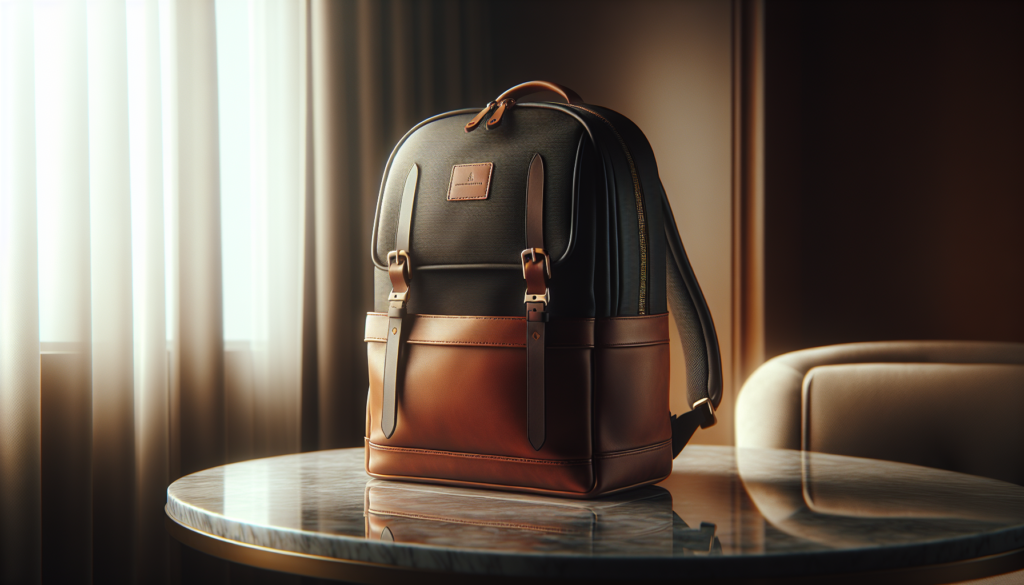
Have you ever stood at an airport gate feeling as if your backpack has opinions about how the rest of your trip will go?
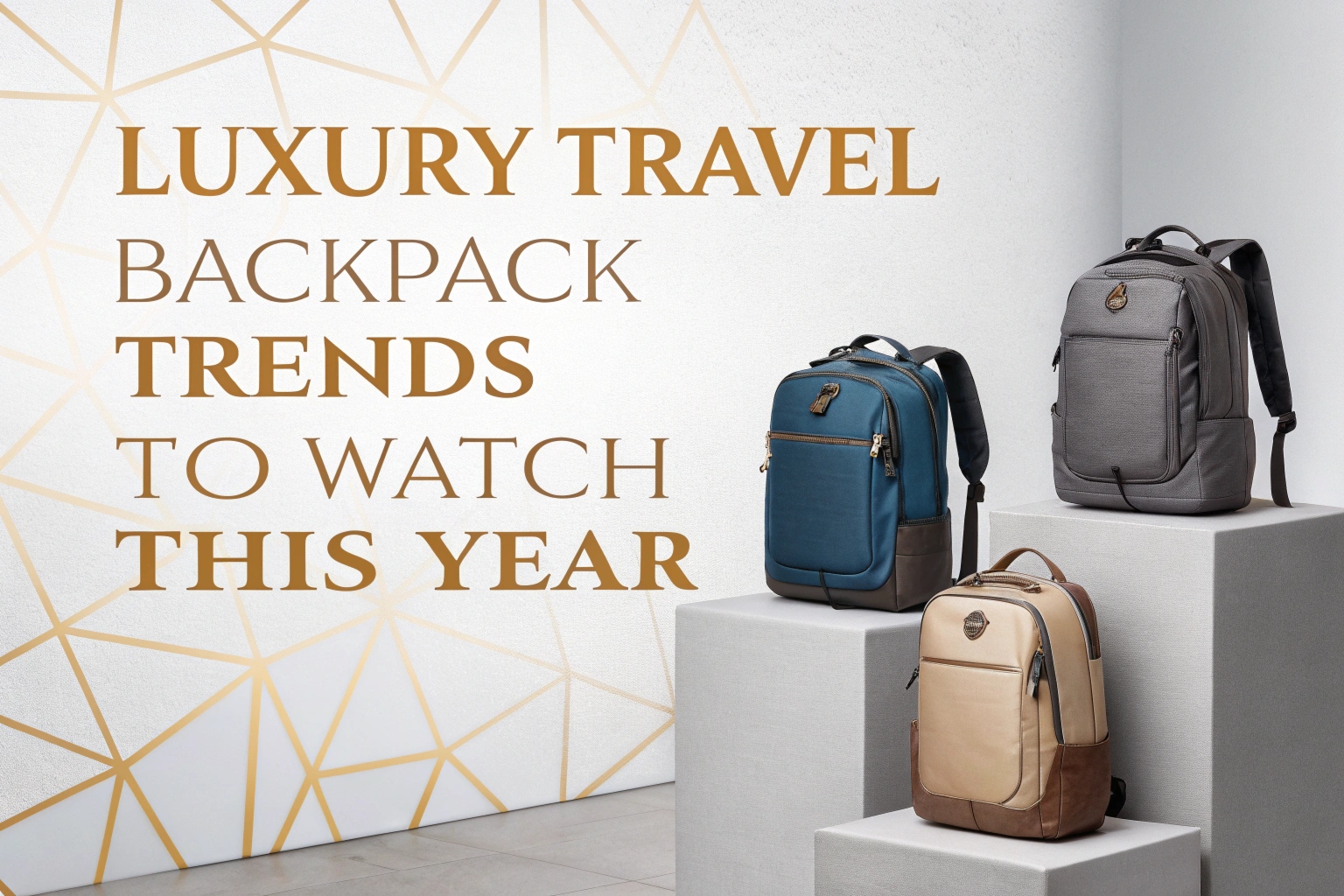
Luxury Travel Backpack Trends To Watch This Year
You’ll find that “luxury” in backpacks now means something quieter and more exacting than the loud logos of a decade ago. The trends you’re seeing this year reflect a commitment to craft, thoughtfulness about how you travel, and a kind of modest confidence that shows up in materials, function, and longevity.
The quiet turn: logos out, details in
You’ll notice more people choosing bags that don’t shout their pedigree but whisper it. Instead of oversized labels, brands are investing in stitching patterns, subtle embossing, and hardware choices that are meaningful only if you know to look. That tells you something: you’re buying less an emblem and more an artifact.
Materials: sustainable options, technical textiles, and old-fashioned leather
Materials are the backbone of current trends — literally and figuratively. You’ll see recycled nylons and bio-based leathers sitting beside vegetable-tanned hides and high-performance fabrics; each material carries an argument about sustainability, aesthetics, and maintenance.
Table: Common Backpack Materials — Pros, Cons, Typical Care
| Material | Pros | Cons | Typical Care |
|---|---|---|---|
| Recycled Nylon (e.g., ECONYL) | Durable, lightweight, lower environmental footprint | Can be less breathable; varying quality | Spot clean; mild detergent; air dry |
| Cordura & High denier nylon | Extremely abrasion resistant; long-lasting | Heavier; less “luxury” look without proper finish | Wipe clean; waterproof coatings may need reapplication |
| Vegetable-tanned leather | Develops patina; classic luxury aesthetic | Requires maintenance; can scratch; heavier | Clean with dry cloth; condition periodically; avoid prolonged water exposure |
| Chrome-free or bio-based leather | Lower environmental impact | Newer processes; variable durability | Similar to leather — condition and avoid soaking |
| Waxed canvas | Water-resistant with character | Can be heavy; requires re-waxing | Re-wax periodically; brush off dirt |
| Technical fabrics (Gore-Tex, eVent) | Weatherproof; breathable | Costly; may not age like natural materials | Rinse; re-proof membranes as per manufacturer |
You’ll want to decide what matters more: the warm, aging character of leather or the pragmatic low-maintenance of technical textiles. Either choice will tell a small story about how you travel and what you value.
Tech integration without looking like a gadget bag
You’ll find that the sophisticated approach this year is to tuck tech behind refined exteriors. Built-in USB ports, padded laptop sleeves with foam or suspended compartments, and cable management channels are all common — but the emphasis is on concealment and intuitive access. Instead of compartments screaming “technology,” they’re discreet slits or hidden zippers that keep your devices safe without announcing their presence.
Think about how you use your devices. You’ll want quick access at security lines and on planes, but you won’t want cables and pockets to turn into a nest of clutter. Designers are responding by routing cables inside linings, adding magnetic closures that you can open with one hand, and creating secondary pockets for chargers that don’t interfere with your main packing space.
Modular interiors and organizational systems
You’ll appreciate interiors that behave like rooms: each with a purpose and a door. Modular organizers, removable packing cubes, and configurable dividers let you rearrange the interior of your backpack depending on the trip — a few days of city meetings, a long-haul flight, or a weekend by the sea.
Table: Interior Layout Types and Best Uses
| Layout Type | Best for | Strengths | Limitations |
|---|---|---|---|
| Clamshell (full zip) | Business travel, packing cubes | Easy packing/unpacking; fits on scales | Can be bulkier at rear panel |
| Top-loading with roll/top | Adventure travel, overflow packing | Compressible; weather resistant | Harder to access bottom items |
| Front U-zip | Everyday carry & travel | Quick access; easy organization | May be less weatherproof |
| Convertible compartments | Mixed work/leisure trips | Flexible; separates clean/dirty | Mechanisms add weight; complexity |
You’ll notice that modularity often pairs with thoughtful design touches: a pen loop that doesn’t interfere with a phone pocket, a key leash that tucks away, or a toiletry bag that clips into the main compartment. These are small conveniences that, over a long trip, make a disproportionate difference.
Convertible designs: backpacks that become briefcases, crossbodies, or luggage handles
You’ll appreciate a bag that can adapt when your day does. Convertible straps, tuck-away handles, and luggage-pass-through sleeves are increasingly standard on luxury models. The idea is to reduce the number of items you carry without compromising function: the backpack that becomes a briefcase for a boardroom and then slips over a roller suitcase for the airport.
Convertible systems are not all equal. You’ll want to test strap adjustments, examine how the hardware sits when you switch modes, and see whether the bag’s silhouette becomes awkward or remains poised. A clever conversion is quiet craftsmanship; it feels inevitable and right, not mechanical.
Weight, ergonomics, and the politics of comfort
You’ll have to reckon with two truths: luxury materials can add weight, and comfort is a non-negotiable. This year’s trends lean toward better load distribution and more breathable contact points. After all, a bag that looks beautiful but bruises your shoulders won’t feel luxurious after the second day.
Look for frames or semi-rigid backs that maintain structure, contoured shoulder straps, and an adjustable sternum strap. Lumbar support and ventilated mesh at the back panel will make a real difference on longer treks or prolonged airport sprints. Don’t be swayed by styling alone; test the bag loaded to the weight you’d actually carry.
Security features: subtler, smarter protection
You’ll notice brands are adding security features that are practical and discreet. Lockable zippers, RFID blocking pockets, slash-resistant materials, and hidden compartments make the bag less inviting to theft without making you look unreasonable.
Practical security isn’t about fencing off the bag entirely; it’s about smart placement. You’ll want important documents and devices in compartments that sit against your back or under straps. A hidden pocket that’s angled toward you is more effective than a visible, zippered pocket on the front.
Aesthetic trends: minimalism, heritage, and personal touches
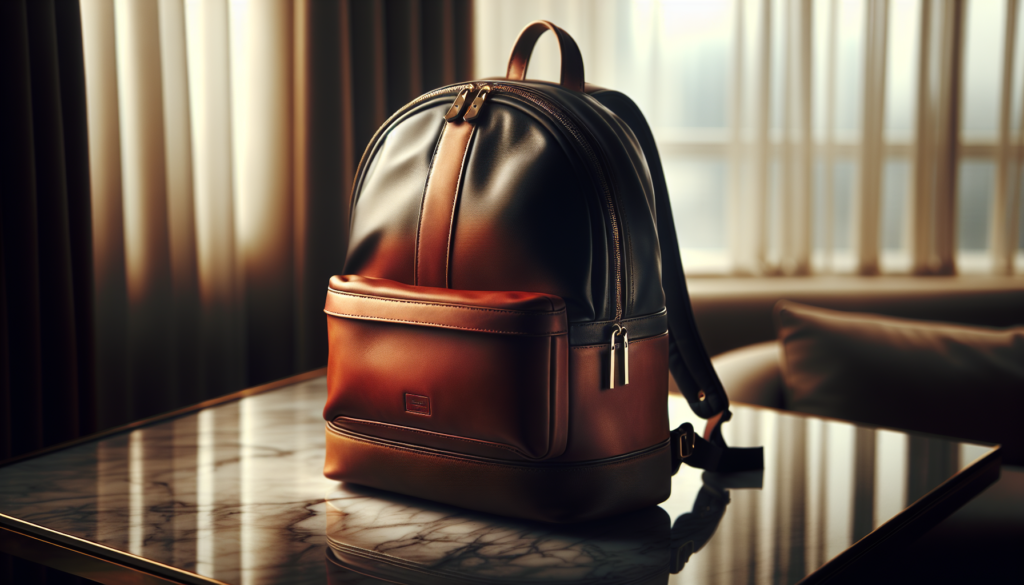
This year’s design language tends toward the understated: clean lines, restrained hardware, and color palettes that favor dark greens, warm browns, and soft neutrals. You’ll see a resurgence of heritage details — brass rivets, saddle stitching, and waxed finishes — but reinterpreted through a modern lens.
Personalization remains important. Embossed initials, changeable straps, and interior name tags let you make the bag feel like yours without turning it into a billboard. You’ll find a gentle pleasure in discovering those small personalizations, like handing someone a cup of tea — it’s intimate and satisfying.
Sustainability and traceability: what to ask and why it matters
You’ll want to ask where materials come from, how workers are treated, and whether the brand has meaningful recycling or take-back programs. Sustainability claims can be vague, so you should look for specifics: certifications, clear supply-chain traceability, and third-party audits.
Table: Sustainable Claims — What to Ask the Brand
| Claim | Questions to Ask | Red Flags |
|---|---|---|
| “Made from recycled materials” | What percentage is recycled? Which parts? Is the material certified? | No specifics; only a small component recycled |
| “Ethically made” | Where are items produced? Are working conditions audited? | Vague origin, no audit reports |
| “Biodegradable” | Which parts biodegrade? Under what conditions? | Total biodegradability claimed for mixed-material items |
| “Carbon neutral” | Is this via offsets or actual reductions? What baseline year? | No data; generic offset purchases |
| Take-back / repair programs | Does the brand repair? Are parts available? | No repairs, only complete replacements |
You’ll be wiser if you favor brands willing to answer these questions plainly. Luxury that lasts should also be accountable, and traceability is the new hallmark of honest luxury.
Care and maintenance: how to make your luxury backpack age with dignity
You’ll think of your backpack like a companion. Leather wants gentle respectful care; technical fabrics need different attention. A few rituals will keep your bag functional and presentable: clean it when needed, condition leather, repair small damages before they worsen, and store it properly when not in use.
Practical tips:
- Use a soft brush to remove grit from fabric and zipped seams.
- For leather, apply a leather conditioner designed for vegetable-tanned hides every 6–12 months depending on use.
- If your bag has a waterproof membrane, re-proofing sprays can restore resistance; follow the manufacturer’s instructions closely.
- Keep zippers lubricated with a dry lubricant rather than oil, which can attract dirt.
- For canvas and waxed finishes, re-waxing can extend life and maintain appearance.
A little attention goes a long way. You’ll find that careful maintenance keeps your bag’s story from turning into a tale of neglect.
Repairability and warranties: buying with the future in mind
You’ll want to consider whether the brand will stand behind its product years from now. Repairability and warranties indicate confidence and reduce the need to replace items. Many luxury brands now offer lifetime repair services, or at least long-term warranties, because a product designed to last should be easy to fix.
Ask: Are replacement straps, buckles, and zippers available? Can the lining be replaced? Is there an accessible repair center? These questions matter as much as the initial price.
Price vs longevity: calculating cost per use
You’ll sometimes hear that buying once, buying well, is cheaper in the long run. That aphorism does hold water if your item is designed and maintained properly. Price is an upfront barrier, but longevity, repairability, and timeless design can lower the cost per use over years.
Table: Price Ranges, Typical Lifespan, Cost Per Year (illustrative)
| Price Range | Typical Lifespan (with care) | Approx. Cost/Year (over lifespan) |
|---|---|---|
| $150–$350 | 2–4 years | $37–$175 |
| $350–$750 | 4–8 years | $44–$187 |
| $750–$1,500+ | 8–20+ years | $38–$188+ |
These numbers are illustrative, but they show a point you probably already sense: the right investment, in the right hands, becomes economical. You’ll find that statistics are less persuasive than the feel of a bag that ages kindly with you.
How to choose the right luxury travel backpack for your style
You’ll be better off if you begin with an honest assessment of how you travel. Are your trips mostly short business jaunts, long-haul international for pleasure, or a mix of city and rural environments? Here’s a practical checklist to guide your purchase.
Checklist:
- Capacity: How much do you typically pack? (20–25L for day and commuter; 30–45L for short trips; 45–60L for longer travel)
- Access: Do you prefer clamshell access or a top loader?
- Tech needs: Laptop size, tablet, camera — what devices must travel safely?
- Security: Do you spend much time in transit through crowded places?
- Weight tolerance: Will you carry the bag for hours at a time?
- Maintenance willingness: Are you ready to condition leather or re-proof fabrics?
- Personal style: Do you want something understated or a piece that makes a statement?
- Longevity and repairs: Will you want the brand to repair, or to offer parts for long-term use?
Make choices that fit your routines, not aspirations. Luxury that aligns with everyday needs will be the one you actually use.
Brands and makers to watch (a selective glance)
You’ll notice different brands specialize in different appeals: heritage leatherwork, technical outerwear expertise, or hybrid luxury. Rather than an exhaustive list, here’s a sample of approaches you may encounter and what they emphasize.
Table: Brand Types and Their Emphases
| Brand Type | Typical Strengths | What You’ll Get |
|---|---|---|
| Heritage leather houses | Craftsmanship, patina, timeless silhouette | Leather that matures; repair-focused services |
| Technical/outdoor innovators | Weatherproofing, ergonomic frames | Rugged durability; performance features |
| Contemporary luxury designers | Minimalist aesthetics, refined materials | Clean lines and discreet branding |
| Boutique artisans | Customization, small-batch quality | Bespoke details and personalized fittings |
| Sustainable disruptors | Recycled materials, transparency | Traceable supply chains; eco-focused materials |
You’ll find that the right brand is less about a name and more about the philosophy behind its product. Look for one whose priorities resonate with yours.
What to try before you buy
You’ll be well served if you test a backpack in the way you’d test shoes: by wearing it. Bring weight — the amount you usually carry — and experience the bag how you’d use it. Check zippers, test hardware for stiffness, sit down with it on, and walk a few minutes if possible.
In store, don’t just admire the exterior; open every compartment. You’ll see how pockets interfere with each other or how niceties, like an internal strap for shoes, matter. If you buy online, read return policies carefully and keep packaging so you can return it if the ergonomics aren’t right.
The role of personalization: making the bag a companion
You’ll find that the best luxury items feel like companions. Personalization options — from initials to color-contrasting stitches or bespoke linings — make a bag feel like it was made for your life. There’s a modest delight in having an object that knows you: it’s practical and emotionally resonant in a way most utilitarian purchases are not.
Travel scenarios and recommended features
You’ll travel in different rhythms. Here are typical scenarios and the features that will help.
- Urban business travel: Look for clamshell opening, suspended laptop compartment, quick-access documents pocket, and discreet aesthetics.
- Weekend citybreak: Opt for 20–30L with several small internal pockets and a water bottle sleeve.
- Long-haul flights: Prioritize padded device compartments, toiletry kits that clip in, and compression options.
- Outdoor-adjacent travel: Choose weatherproof fabrics, reinforced bases, and comfortable hip belts or compression straps.
- Hybrid work/vacation: Go for modular interiors, convertible strap systems, and a zipper that allows access to both clothing and gadgets.
These quick profiles will help you align a bag’s features to your real-life itineraries.
What you’ll pay attention to in marketing copy
You’ll be right to be skeptical of marketing. Phrases like “premium,” “luxury,” and “sustainable” are only useful when backed by details. Look for specifics: material origin, artisan techniques, exact warranty terms, and published repair services. Brands that are transparent will not fear questions; they’ll welcome them.
The quiet future: personalization through technology and material science
You’ll likely see more subtle tech integrations: near-invisible solar panels for low-rate charging, antimicrobial linings, and fabrics that self-heal surface abrasions. Personalization will use data in tasteful ways — ordering tailored interior modules based on what you pack most often, or AI-assisted fit recommendations based on your posture and preferred carry weight.
You’ll also watch material science progress toward materials that mimic leather’s aesthetic without animal sources, or fabrics that have lower lifecycle impacts yet hold up for decades.
How to store and rotate your travel backpacks
You’ll want to rotate your bags and store them properly. Keep them out of direct sunlight, stuffed lightly with acid-free tissue to retain shape, and in breathable dust bags if possible. A rotation system — a daily commuter bag, a weekend bag, and a longer-travel piece — makes wear predictable and preserves any single item’s life.
Small practical habits that yield big returns
You’ll find that small practices add up: empty the bag each week, remove crumbs and grit, and treat stains promptly. Keep a small repair kit — a strip of matching thread, a spare buckle or two, and a bit of duct tape — for field fixes that make it home in one piece.
Stories that illustrate the point
You’ll recognize these trends in people you might know: the colleague who carried a mid-century leather backpack that softened each year and became more elegant than any briefcase; the friend who packed a modular bag that seemed calm in chaos because everything had a place; the traveler who took a repair in to a brand boutique and left with a renewed relationship to an item they’d thought finished.
Those stories show you what lasting design does: it becomes part of your life’s geography.
Conclusion
You’ll find that this year’s luxury travel backpack trends are less about conspicuous consumption and more about sustained value, thoughtful design, and small pleasures. When you choose a bag, think about the life you’ll live with it: the journeys it will keep, the private rituals of care you’ll perform, and the way it will fit into the quiet narrative of your travels. Luxury, in this context, is measured not by price but by how well something keeps company with you over time.