
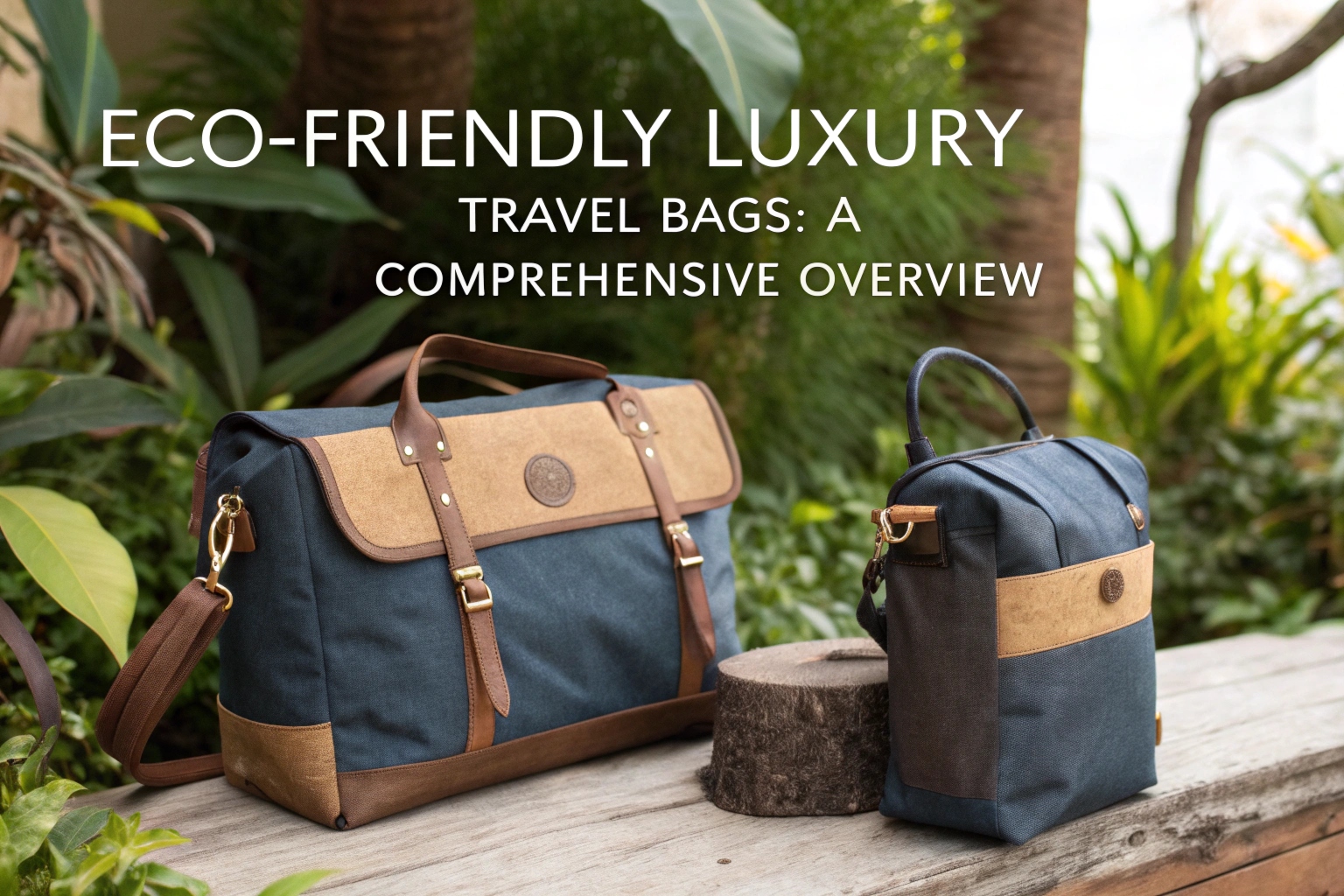
Have you ever stood in front of a luggage rack and wished the bag you loved could bear a little less guilt about the planet?
Eco-Friendly Luxury Travel Bags: A Comprehensive Overview
You’ll find that luxury and responsibility no longer have to be opposites. This article will gently walk you through the materials, certifications, design choices, brands, and practicalities that let you travel with elegance while keeping environmental and social impacts in check. You’ll get clear comparisons, a set of questions to ask makers, and tips for choosing and caring for a bag that can become part of your life for years.
Why this matters to you
You may care about aesthetics, longevity, and the story behind an object. When you choose an eco-friendly luxury travel bag, you’re not just buying an accessory; you’re choosing a set of values. A thoughtfully made bag asks less of the planet and more of the people who make and maintain it. That means fewer replacements, less waste, and a better relationship with the things you own.
What “eco-friendly luxury” actually means
Luxury usually implies fine materials, good design, and long life. Eco-friendly adds criteria around material sourcing, manufacturing processes, labor practices, repairability, and end-of-life options. You’ll want a bag that looks good, functions beautifully, and has a transparent, measurable approach to its environmental footprint.
Key elements you should look for
You should look for durable materials, transparent supply chains, certifications or third-party audits, and commitments from the brand on repair and take-back programs. It’s not enough that a bag is “made from recycled materials” — you’ll want to know the proportion, the manufacturing energy, and whether harmful chemicals were used.
Materials: what they are and how they compare
Materials are central to both the look and the impact of a bag. Below is a table that compares common sustainable materials you’ll see in luxury travel bags. It’s not exhaustive, but it will give you a clear sense of trade-offs.
| Material | What it is | Durability | Water resistance | Aesthetic | Environmental considerations |
|---|---|---|---|---|---|
| Recycled PET (rPET) / Recycled polyester | Made from post-consumer plastic bottles or textile waste | High | Good with coatings | Versatile, modern | Lowers plastic waste; energy used in recycling varies; microfiber shedding can be a concern |
| ECONYL / Regenerated nylon | Reclaimed nylon from fishing nets and industrial waste, reprocessed into nylon | High | Good | Similar to nylon; smooth finish | Saves virgin nylon resources; recycling energy inputs matter |
| Organic cotton | Cotton grown without synthetic pesticides | Moderate | Low without treatment | Soft, natural | Uses less toxic chemicals; water use still significant |
| Hemp | Natural fiber with high tensile strength | High | Moderate | Rustic, sturdy | Low water and pesticide needs; strong, long-lasting |
| Cork | Bark of cork oak trees, harvested without cutting trees | Moderate | Naturally water-resistant | Warm, textured | Renewable and biodegradable; limited geographic supply |
| Piñatex (pineapple leaf fiber) | Textile made from pineapple leaf byproducts | Low–moderate | Low | Leather-like; textured | Uses agricultural waste; durability improving with treatment |
| Mycelium (mushroom leather) | Lab-grown fungal root networks treated to be leather-like | Developing | Moderate | Soft, organic look | Low land use; emerging scaling challenges |
| Vegetable-tanned leather | Traditional animal leather tanned with plant extracts | High | Variable | Classic leather look | Avoids some harmful chemicals but still involves animal agriculture impacts |
| Recycled leather / Leatherboard | Scraps repurposed and bonded | Moderate | Variable | Leather-like | Reduces waste but uses adhesives and processing |
| Tencel / Lyocell | Regenerated cellulose fiber from sustainably sourced wood | Moderate | Low | Smooth, drapey | Closed-loop process reduces solvent waste; requires wood stewardship |
You should treat this table as a starting point. The performance you experience will depend on manufacturing techniques, coatings, and design decisions.
Why composite materials are common
Luxury designers often combine materials — a recycled canvas body, vegetable-tanned leather trim, and metal hardware. You’ll see these hybrids because they balance durability, aesthetics, and cost. Where possible, you should ask about the proportions and treatments each brand uses, since a small panel of conventional leather or heavy metal elements can alter the bag’s overall footprint.
Certifications and standards you should know
Certifications can help you parse claims. They are not flawless, but they give you something to hold a brand accountable with.
- GRS (Global Recycled Standard): Confirms recycled material content and chain of custody, plus some social and chemical criteria.
- GOTS (Global Organic Textile Standard): For organic fibers like cotton; covers ecological and labor criteria.
- OEKO-TEX Standard 100: Tests for harmful substances in textiles.
- Leather Working Group (LWG): Audits leather tanneries on environmental performance.
- Bluesign: Certifies that textile manufacturing meets strict chemical and environmental standards.
- B Corp: Looks beyond materials to company-wide social and environmental performance.
- Fair Trade / SA8000: Focus on workers’ rights, fair wages, and social conditions.
You should keep in mind that not every sustainable bag will have every certification — some artisanal brands operate outside large certification frameworks but still do excellent work. Certifications are tools, not guarantees.
Design and craftsmanship: what distinguishes luxury
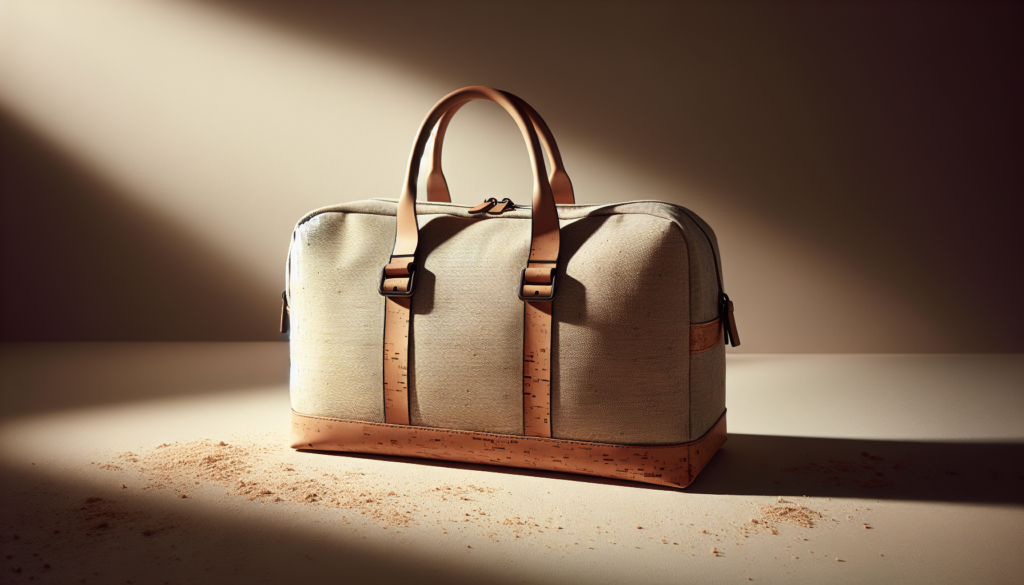
A luxury travel bag stands out in three ways: design clarity, construction quality, and small, considerate details. You should expect precision in seams, balanced weight, hardware that ages well, and interior layouts that respect the way you pack.
The value of simplicity and longevity
Simple lines and fewer unnecessary compartments often mean fewer failure points. A bag that is designed to be repairable, with removable or replaceable straps and hardware, is a bag you’ll keep longer. When a bag lasts decades, its lifetime environmental cost per year becomes very small.
Hardware, zippers, and stitching — the unsung details
You should pay attention to zipper brands, rivet quality, and stitching density. Good zippers glide, and solid hardware resists corrosion. Luxurious bags use finishes that age gracefully — patina on vegetable-tanned leather, matte hardware that hides scratches, or coated fabrics that resist stains.
Functionality: what works for travel
A beautiful bag should also make travel easier. Think about airline size rules, organization, weight, and how the bag moves when you carry it. You’ll want a bag that is proportionate to your travel style — a weekend carry-on differs from a weeklong suitcase.
Sizing and airline compliance
Most airlines have fairly standard carry-on dimensions, but regional and low-cost carriers vary. For carry-on travel, choose a bag that fits within common limits (around 22 x 14 x 9 inches / 56 x 36 x 23 cm as a reference) and that doesn’t require extra effort to stow. If you frequently fly with low-cost carriers, consider a slightly smaller option.
Weight versus durability
You’ll face trade-offs. Ultra-light fabrics may weigh less but can be less durable; heavy materials can be more robust but may be cumbersome when you’re moving between connections. You should decide which is more important: minimal weight or the comfort of a bag that can handle being packed and unpacked repeatedly.
Brand examples and notable approaches
Below is a selection of brands and the approaches they take. This table is illustrative; it highlights different ways luxury brands pursue sustainability.
| Brand / Maker | Sustainable focus | Typical product | Notable policy |
|---|---|---|---|
| Brand A (example) | Recycled/Regenerated materials, lifetime repairs | Carry-on trunks, weekend bags | Lifetime repair program and warranty |
| Brand B (example) | Vegetable-tanned leather, artisanal workshops | Weekender bags, briefcases | Small-batch production, transparency about tanneries |
| Brand C (example) | Upcycled materials, limited editions | Tote bags, duffels | Uses deadstock textiles; clear sourcing statements |
| Brand D (example) | Mycelium/plant-based leathers | Luxury backpacks | Collaborations with material innovators; take-back trials |
| Brand E (example) | rPET, ECONYL, B Corp certified | Travel sets, garment bags | Recycled content certification; carbon offset initiatives |
You should treat brand examples as starting places for research. Look for recent updates on their practices; sustainability claims evolve, and companies change policies.
Buying guide: how to choose the right bag for you
Choosing a luxury travel bag is both practical and intimate. You want something that matches your rhythm, travels well, and fits your values.
Questions to ask before you buy
- What percentage of the materials are recycled, regenerative, or otherwise lower-impact?
- Where is the bag manufactured, and does the brand publish supply-chain information?
- What certifications does the brand or supplier have?
- Does the brand offer repairs, spare parts, or a take-back program?
- What is the expected longevity, and what warranties are offered?
- Are animal-based materials sourced with traceability and ethical standards?
- How does the brand handle packaging and shipping emissions?
You should never feel shy about asking these questions. If a brand can’t or won’t answer, that’s valuable information in itself.
Practical checklist for your purchase
- Size: fits your carry-on or checked preference.
- Material: aligns with your sustainability priorities.
- Compartments: meets your organizational needs.
- Weight: acceptable for your mobility.
- Hardware: durable and replaceable.
- Repair policy: clear and accessible.
- Aesthetic: you’ll want to keep using it for years.
Care, repair, and maintenance
How you care for your bag affects both its lifespan and its environmental footprint. You’ll extend a bag’s life with simple habits.
Basic maintenance tips
- Clean materials according to manufacturer guidelines; many eco-fabrics take gentle wiping and spot cleaning.
- Re-waterproof using environmentally friendly sprays when needed.
- Condition vegetable-tanned leather with natural products to prevent drying and cracking.
- Store in breathable dust bags, not plastic, to avoid trapped moisture.
- Tighten loose hardware and replace worn straps early to prevent cascading damage.
You should approach maintenance as an act of stewardship. Small repairs often prevent replacement.
Finding repairs and spare parts
A growing number of luxury brands offer repair services or replacement parts. Independent leatherworkers and specialty bag repair shops can also perform skilled work. When you buy, ask about recommended repair partners and whether the brand can supply original hardware.
End-of-life: recycling and take-back
You’ll want a clear plan for the eventual end of your bag’s life. Some brands offer take-back or refurbishment programs; others provide guidance for recycling materials. If a brand offers a buy-back or resale marketplace, that can help the bag have a second life.
Options for disposal or reuse
- Refurbish: repair, restitch, replace hardware.
- Resell: luxury bags with strong brands often retain resale value.
- Repurpose: interior linings become pouches, straps become belts.
- Recycle: fabrics like rPET may be recyclable in industrial streams; check local facilities.
- Take-back: use brand programs where available.
You should treat disposal as the final stage of ownership and plan ahead.
The economics: price, value, and hidden costs
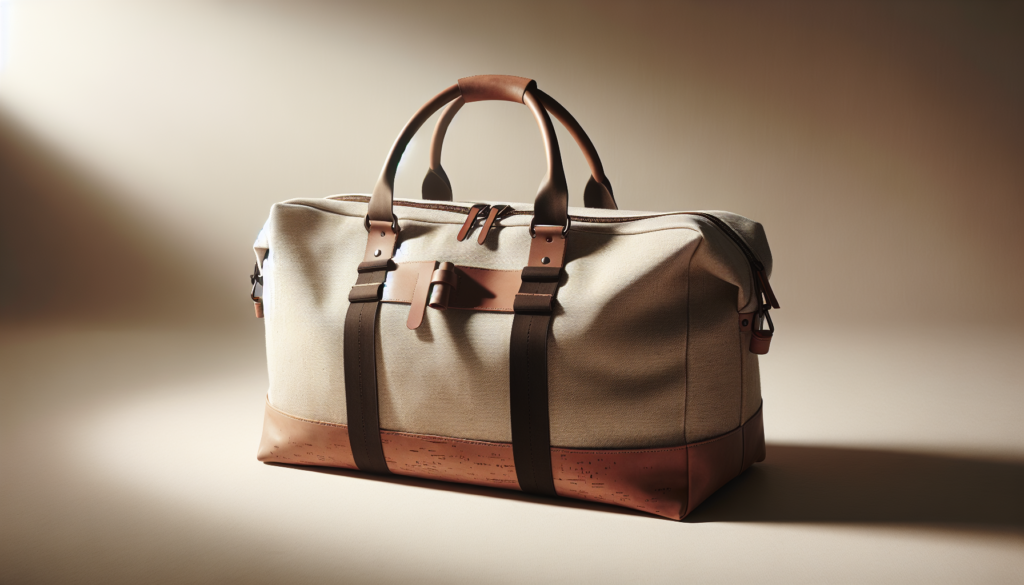
Luxury sustainable bags often command premium prices. You’ll pay for better materials, smaller production runs, and brand accountability. But cost per year of ownership often drops as the item lasts longer.
Cost vs. lifespan
A higher upfront price can be justified if the bag lasts a decade or more. Consider cost per year: a $600 bag that lasts 10 years is $60/year, while a $150 bag that fails after two trips is $75/year — before you account for the stress and inconvenience of replacing it.
Hidden environmental costs
You should be mindful of hidden impacts like airfreight, packaging, and the carbon intensity of manufacturing. Some brands offset shipping emissions or consolidate manufacturing to reduce transport; ask for these details if they matter to you.
Lifecycle considerations and environmental trade-offs
Every material and manufacturing method carries trade-offs. You’ll find no perfect solution, only better-informed choices.
Production impacts
Raw material extraction, tanning or fiber processing, dyeing, and finishing often consume energy and water and may release pollutants. Recycled materials reduce certain impacts but can require energy-intensive processing. Vegetable-tanned leather removes some harmful chemicals from tanning but still depends on livestock systems.
Transportation and use-phase
How often you use the bag, how you travel, and whether the bag requires special cleaning all affect its footprint. A locally made bag that is used daily may be more sustainable overall than a “green” bag flown across continents to reach you.
End-of-life impacts
Some materials biodegrade; others persist. Bio-based leathers and cork break down more readily, while mixed-material items with adhesives are harder to recycle. You should prefer single-material panels or designs that allow disassembly.
Practical travel tips for your bag
How you use the bag matters. You’ll want it to be snug in overhead bins, easy to grab, and resilient to the small abuses of travel: rain in a station, grout, and being set in different hotel floors.
Packing strategies that protect the bag
- Use packing cubes to reduce interior friction and prevent straining zippers.
- Avoid overstuffing — seams are more likely to split under constant overload.
- Keep liquids in sealed pouches to avoid staining.
- When passing through customs or security lines, keep essentials accessible to minimize fiddling and wear.
Security considerations
Choose hardware that secures your pack without resorting to heavy chains. Lightweight integrated locks, welled zipper pulls that accept TSA-friendly locks, and RFID-blocking pockets for tech items can be helpful without adding unnecessary weight.
Frequently asked questions
You’ll likely have specific practical questions. Below are some common ones and straightforward answers.
- Can vegan leather be sustainable? Many plant-based or lab-grown leathers can be lower-impact than conventional leather, but production methods vary. Check for transparency about feedstock, solvents, and scale-up impacts.
- Is recycled plastic really green? Reusing plastic reduces landfill and ocean waste, but recycling requires energy and sometimes chemical treatments. Look for certifications and durability claims that ensure long life.
- Should you avoid all animal products? That’s a personal choice. Vegetable-tanned leather can be more environmentally friendly within the context of traceable, regenerative farming and low-impact tanning.
- Are custom, small-batch makers better? Often they provide transparency and quality, but their per-unit impact could be higher if they lack efficient processes. Prioritize repairability and materials sourcing.
- How can I test durability in a store? Check seams, test zippers, and ask about stress points. See if the brand offers a warranty or repair policy — that’s often more telling than feel alone.
Questions you should ask brands (short list)
You’ll get clarity fast by asking straightforward questions. If the sales copy feels vague, ask directly:
- What percentage of the bag’s weight is recycled material?
- Where are the materials produced and the bag assembled?
- Do you publish any third-party environmental or social audits?
- What repair or take-back services do you offer?
- How do you package shipments, and what steps do you take to reduce shipping emissions?
Stories of longevity: why repair matters
You’ll often hear anecdotes from travelers who kept a single bag for decades because it could be repaired. These are not just romantic tales; they are practical evidence that repairable design reduces consumption. Consider a bag with replaceable handles — a small part replaced can keep the whole bag in service for years.
Small choices that add up
Your individual choices matter, but they are most potent when paired with behavior changes. Choose repair, resist trends that encourage replacement, and favor brands that report transparently. You’ll find your purchases steer the market when you vote with your wallet consistently.
Closing thoughts
You’ll find that eco-friendly luxury travel bags are about more than materials alone. They are about stories — where the raw materials came from, who stitched a seam, how a brand stands by its products, and whether you’ll want to keep using the bag in ten years. You deserve a bag that carries your things and aligns with your values. Choosing such a bag is both an act of taste and a small, steady commitment to a gentler relation with the world.
Quick reference summary
- Look for durable, repairable construction.
- Prefer materials with clear sourcing and certifications.
- Ask questions about manufacturing, repairs, and end-of-life.
- Consider the bag’s lifespan for real economic and environmental value.
- Care for your bag to extend its life cleaning, conditioning, and timely repairs matter.
If you’d like, I can help you compare specific models you’re considering, draft a short list of questions to email a brand, or create a packing checklist tailored to the bag you own. Which would you prefer?