
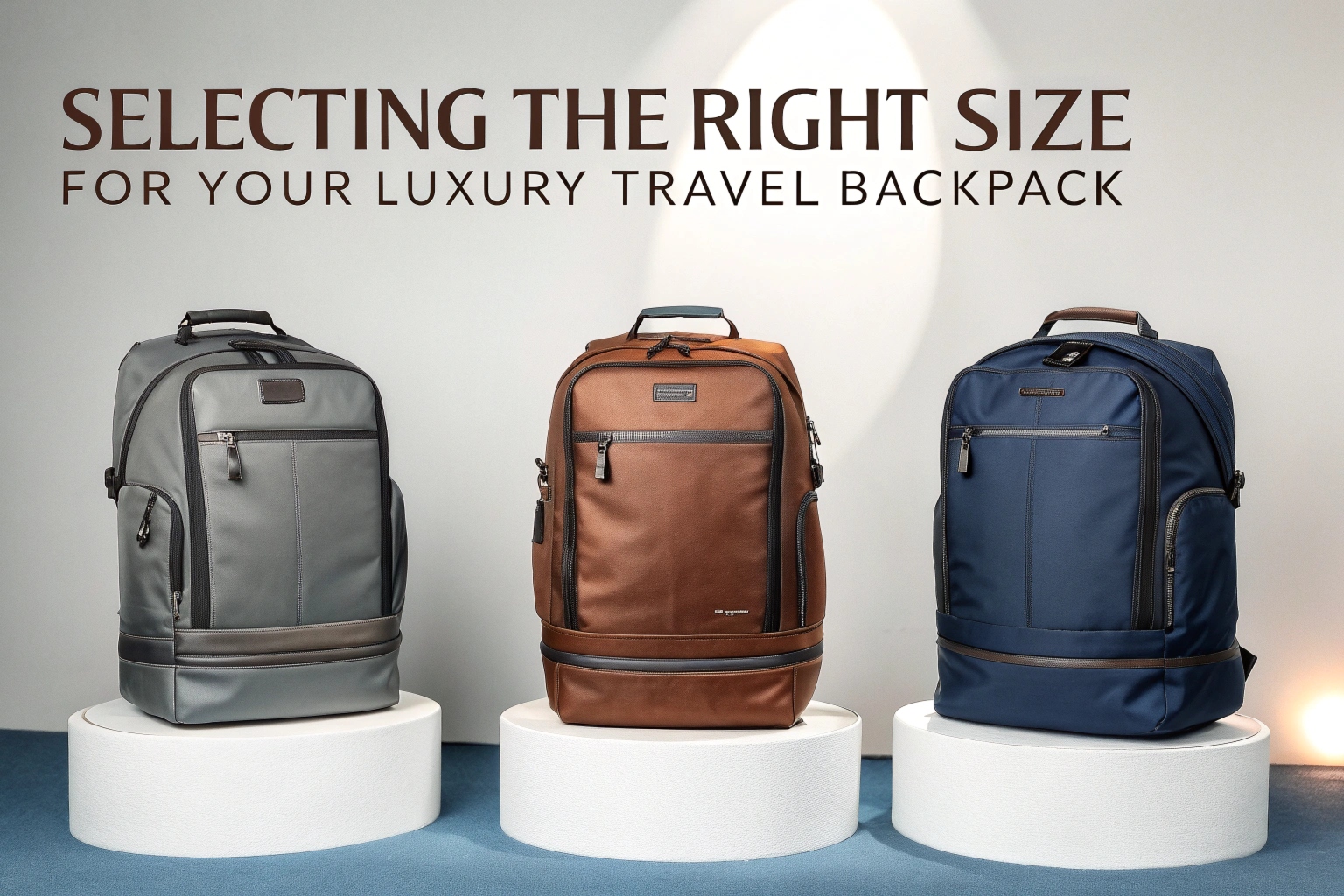
Have you ever stood in front of a rack of elegant backpacks and wondered which one would feel like a companion rather than a suitcase?
Selecting The Right Size For Your Luxury Travel Backpack
You’ll want a backpack that fits your trips and your body as naturally as a well-worn coat fits your shoulders. This article helps you choose a luxury travel backpack size that feels sensible, looks good, and spares you the small frustrations that make journeys feel longer than they should.
Why Size Matters More Than You Think
Size determines how much you can bring, but it also shapes how you move, how quickly you pack, and how often you’re asked to check your bag. A backpack that’s slightly too large invites overpacking; one that’s too small turns travel into a daily game of contortions.
Comfort and Ergonomics
The volume of your backpack affects how it sits against your back and how stable it feels when you walk. Even a beautifully crafted leather pack will make you miserable if the load pulls awkwardly on your shoulders.
Airline Regulations and Carry-On Constraints
A backpack’s visual elegance won’t rescue you if it’s too big for the overhead bins or too heavy at the gate. You’ll save time, fees, and the minor humiliation of stuffing your bag into a space that refuses to close.
Purpose: Day-to-Day vs Extended Travel
Ask whether the backpack will be with you for brief city breaks or month-long adventures. Utility and aesthetics must meet; the right size balances daily practicality and the luxury feel you want to maintain.
Understanding Backpack Capacity: Liters and Dimensions
Manufacturers measure capacity in liters, which tells you how much the main compartment will hold. Dimensions — length, width, depth — matter when stowing on planes or fitting under hostel bunks, so check both numbers.
What Liters Mean in Real Use
A liter measurement is abstract until you relate it to clothing, devices, and toiletries. Think of liters as how many folded outfits, pairs of socks, and toiletry kits you can reasonably carry rather than a precise cube you fill.
How Dimensions Affect Fit and Packing
A tall, narrow backpack might seem generous but can slice off usable space; a wide pack may be bulky at your midline. Dimensions determine how the backpack interacts with your frame and with airline requirements.
Quick Reference: Common Backpack Capacities
| Size Label | Typical Liters | Typical Dimensions (approx) | Best For |
|---|---|---|---|
| Small | 15–20 L | 40 x 25 x 15 cm | Daily carry, camera only, very light travel |
| Compact Carry-On | 20–30 L | 45 x 30 x 20 cm | Minimal carry-on, 1–2 days, commuter style |
| Weekend | 30–40 L | 50 x 35 x 20 cm | 2–4 day trips, business weekends |
| Short Trip | 40–50 L | 55 x 35 x 25 cm | 5–7 day trips with careful packing |
| Extended Travel | 50–70 L | 60–40 x 30 cm | 1–3 week trips, includes bulkier items |
| Expedition | 70+ L | 70 x 45 x 35 cm | Long trips, specialized gear, winter clothing |
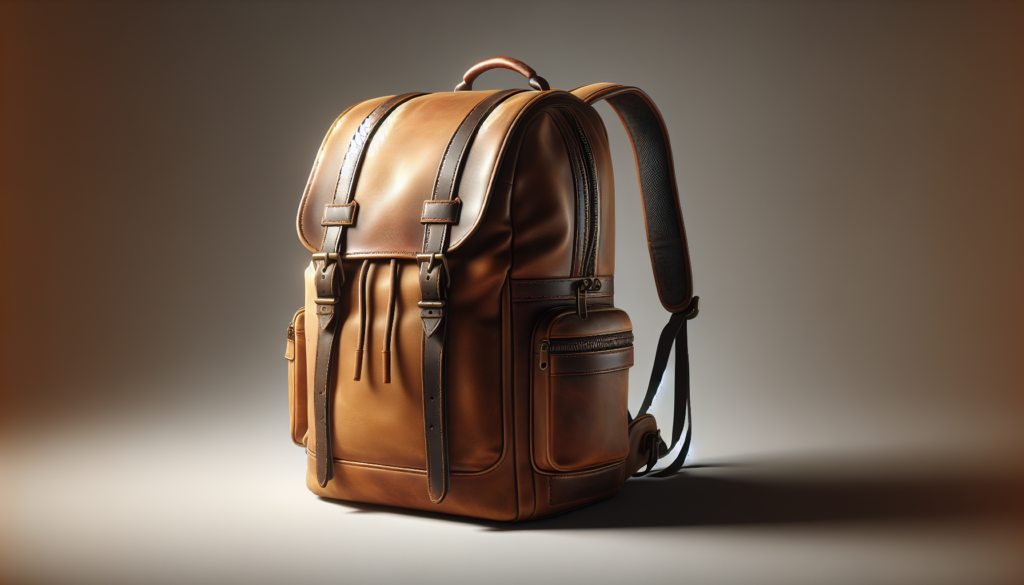
Matching Backpack Size to Trip Duration and Style
Your travel rhythm — how many outfits you need, whether you’ll do laundry, and the climate — guides size choice. Luxury backpacks are often better at disguising volume with clean lines, but you still need the right capacity.
Short Trips (1–3 days)
For short trips, you’ll want a compact, neat backpack in the 20–30 L range. It keeps your essentials organized and looks proportionate, especially if you’re moving between hotels and meetings.
Weekend Trips (3–5 days)
A 30–40 L pack handles a few changes of clothes, a small toiletry kit, and a laptop or tablet. It’s a sweet spot for travelers who want style without compromising reasonable packing.
One-Week Trips (5–10 days)
For a week, you’ll likely want 40–50 L unless you’re very disciplined with rewearing and laundry. This size lets you bring a smarter wardrobe and perhaps a blazer without sacrificing comfort.
Extended Travel (10+ days)
If you’re gone two weeks or longer, 50–70 L becomes useful unless you plan to launder frequently. For seasonal gear or photography equipment, consider larger capacities or a hybrid system: a big checked bag plus a smaller luxury daypack.
When Less Is a Virtue
Sometimes smaller is luxurious because it’s deliberate; packing less means moving faster and feeling lighter. If your trips are urban and planned, choosing a slightly smaller pack can refine both your look and your experience.
Packing Strategy Affects Size
How you pack changes what size you need. Compression systems, packing cubes, and minimalist grooming routines can let you travel longer with less volume.
Packing Cubes and Compression
Packing cubes keep order and compress fabrics so you use the internal space efficiently. A 40 L backpack with smart cubes often beats a 50 L bag thrown together without organization.
Clothing Choices and Rewearing
Opting for fabrics that resist wrinkling and choosing neutral palettes enables outfit mixing and reduces the number of garments. You’ll find that careful planning often shaves liters off what you think you need.
Electronics, Work Gear, and Special Items
If you carry a laptop, camera, or other large devices, allow room for safe padding and quick access. A luxury backpack with a dedicated laptop sleeve and a camera cube can add functionality without bulk.
Carry-On vs Checked: Choosing Size to Avoid Fees
Carry-on convenience is a particular luxury. The right backpack that meets airline rules saves money and time, but you must be realistic about both dimensions and weight.
Typical Carry-On Dimensions and How to Measure
Measure height, width, and depth inclusive of pockets and wheels if present. Airlines vary — what fits as a carry-on for one may be gate-checked by another — so check your carrier’s policy before you buy or pack.
Hidden Rules: Gate-Checking and Overhead Bin Crowding
Even compliant sizes get checked sometimes when flights are full. You’ll want a backpack that can compress a little or be strapped to your larger item if needed, so nothing catches on an overhead bin.
If You Must Check a Luxury Backpack
Checking a leather or premium fabric pack means protecting it with a padded sleeve or durable cover and keeping valuables and fragile items with you. If the bag will be checked frequently, consider models with reinforced corners and easy-repair options.
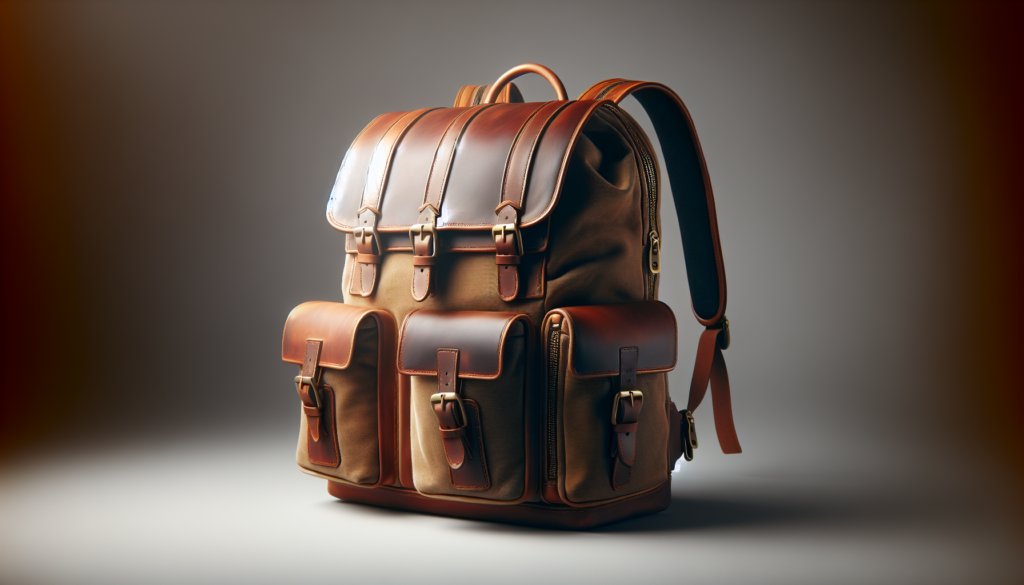
Fit and Frame: How Size Interacts With Your Body
A backpack can be the right volume but the wrong shape for you. Fit is about torso length, hip belt placement, and how well the pack transfers weight to your hips.
Measuring Your Torso and Hip Belt
Measure from the base of your neck to the top of your hip bone to get torso length. Then, take your waist or hip measurement around the iliac crest to choose the right hip belt size; this is where much of the load should sit.
Internal Frame, Suspension, and Load Lifters
Luxury backpacks use refined suspension systems to distribute weight. Look for adjustable load lifters, contoured hip belts, and back panels that offer both support and airflow.
Trying On with Packed Weight
Always test a pack with at least 50% of the weight you expect to carry. Walk the store aisles or your hallway for ten minutes to see how it rides: pressure points will announce themselves honestly.
Material, Design, and Organizational Features That Influence Perceived Size
Design choices alter how capacious a pack feels. A well-organized interior and smart external attachments make modest volumes more usable.
Clamshell vs Top-Loader: Packing Access and Compression
Clamshell bags open wide for visibility and suitcase-style packing — excellent for neatness. Top-loaders can be more compact and weather-resistant but sometimes force you to live out of the top like a hiker.
Organizational Pockets and Tech Compartments
Dedicated pockets for chargers, sunglasses, and passports prevent rummaging and help you pack denser. Tech sleeves that sit close to your back add protection without much bulk.
Expanders, Compression Straps, and Detachable Daypacks
Expandable panels give you flexibility: they solve the problem of items that come back into play only occasionally. Compression straps reduce volume and stabilize the load, and detachable daypacks let you carry essentials without the whole rig.
Luxury Considerations: Style, Materials, and Longevity
Luxury means quality of materials and finish, but also how timeless and repairable the bag is. You’ll want materials that age gracefully and services that maintain the piece over years of travel.
Aesthetic vs Practicality
Aesthetic decisions — visible leather, metal hardware, minimal seams — change how you use the bag. A sleek leather exterior might require more care and encourage you to avoid rough handling.
Durability, Warranty, and Repair Services
Look for brands that offer repair services and extended warranties; these small details often make a big difference years down the road. Luxury backpacks are investments, and being able to mend a strap or patch a seam preserves both value and sentiment.
Cost per Liter: Is It Worth It?
Luxury backpacks cost more per liter, but you’re paying for materials, design, and aftercare. Ask yourself whether you’re buying volume or a companion; the right choice keeps you satisfied even when the price is steep.
| Material | Typical Weight | Care Level | Character |
|---|---|---|---|
| Full-grain leather | Heavy | High (needs conditioning) | Classic, ages with patina |
| Ballistic nylon | Light–Medium | Low | Rugged, stain-resistant |
| Waxed canvas | Medium | Medium | Heritage look, water-resistant when treated |
| Premium synthetics (Cordura, etc.) | Light | Low | Durable, modern appearance |
Common Mistakes and How to Avoid Them
You won’t regret a little restraint. Knowing the usual missteps helps you choose more sensibly.
Mistake: Buying Too Much Volume “Just in Case”
An oversized bag encourages you to pack unnecessary items. Avoid this by making a strict list for a trial pack; if the majority of your items don’t fit, reassess what’s essential.
Mistake: Ignoring Fit for the Sake of Looks
A sleek pack that pulls on your shoulders will soon be an annoyance you avoid using. Try bags with weight inside to test fit before buying and consider professional fitting if the brand offers it.
Mistake: Forgetting Airline and Transit Realities
It’s easy to fall in love with a bag that reads luxurious but is impractical on trains or smaller planes. Verify dimensions, and think about the modes of transit you’ll use most often.
Mistake: Overlooking Organization
A plain lump of high-quality material won’t save you from rifling through your things at security checks or in taxis. Choose a pack with intuitive pockets and easy-access compartments.
Decision Checklist: How to Choose the Right Size Today
If you want to make a practical purchase, use this checklist to narrow options before you commit.
- What’s your typical trip length and style? (Business, leisure, hybrid)
- Will you be checking the bag or carrying it on most flights?
- Do you have bulky items (camera, shoes, jacket) that require volume?
- What’s your torso and hip measurement? Does the pack offer a proper fit?
- Does the brand provide repair or warranty services?
- Can you test the backpack with simulated weight before buying?
- Does the proportion look right on your body when worn fully packed?
Sample Scenarios and Recommendations
- Weekend City Break (3 days): Choose 30–35 L clamshell, neat pockets, laptop sleeve. You’ll move easily through museums and restaurants without looking cumbersome.
- Business Trip (3–5 days with laptop): A 30–40 L pack with a structured laptop compartment and a suit or blazer folding sleeve will serve you well. The bag should sit compactly under seats.
- Photographer on a Short Assignment: 40–50 L with padded camera cube and quick-access side pocket. Choose a design that balances tech protection with refined aesthetics.
- Minimalist Long-Term Traveler: 40–55 L depending on climate; lean into technical fabrics and compression capabilities. Buy a pack that looks as good as it performs for urban settings.
- Winter or Adventure Travel: 60–80 L may be necessary for bulky layers, but consider a two-bag approach: a large checked pack (durable, expendable) and a stylish, smaller luxury daypack for daily outings.
Final Fitting and Test Walk
Before you commit, pack your bag as you would for a real trip and wear it for a period of time. Adjust straps, fasten the hip belt, and see whether the weight migrates to your hips or collapses onto your shoulders.
What to Do in the Store or at Home
Pack with items that mimic real weight: books, a toiletry bag, water bladder. Walk for at least ten minutes, climb a few stairs, and sit down to ensure the pack doesn’t jam behind you or make standing uncomfortable.
What to Expect After Buying
A new pack will settle and feel different after a few trips. Expect the straps and materials to soften a bit — but not at the expense of structure. If the pack persistently feels wrong, return it sooner rather than later.
Frequently Asked Questions
You’ll likely have practical questions when choosing size. These short answers clear the most common uncertainties.
How strict are airlines about backpack size?
Airlines vary; many enforce more during busy seasons and on smaller aircraft. Always check the carrier’s size policy and compare it against the pack’s filled dimensions.
Can a 40 L bag count as carry-on?
Often yes, but it depends on dimensions and the airline. If it compresses slightly and meets width and height rules, it usually passes, but weight rules still apply.
Is leather a bad choice for travel?
Leather is beautiful and ages well, but it needs more care and is heavier than synthetics. If you want classic looks and are willing to care for it, leather can be an excellent choice.
How much should a packed luxury backpack weigh?
Aim for no more than 20% to 25% of your body weight for long walking days; for shorter transit-heavy trips, a bit more is manageable. Comfort and mobility should guide you more than the numbers alone.
What’s better: a big bag or two smaller bags?
A modular approach often wins: one checked bag for bulk, one stylish daypack for daily use. That said, if you want to travel light and move frequently, a single well-chosen backpack is liberating.
Closing Thoughts
Choosing the right size for your luxury travel backpack is a small discipline that pays off in comfort and calm. You’re buying not just capacity but the particular quality of being able to move through places with ease and dignity; that is a quiet kind of luxury worth considering with care.