
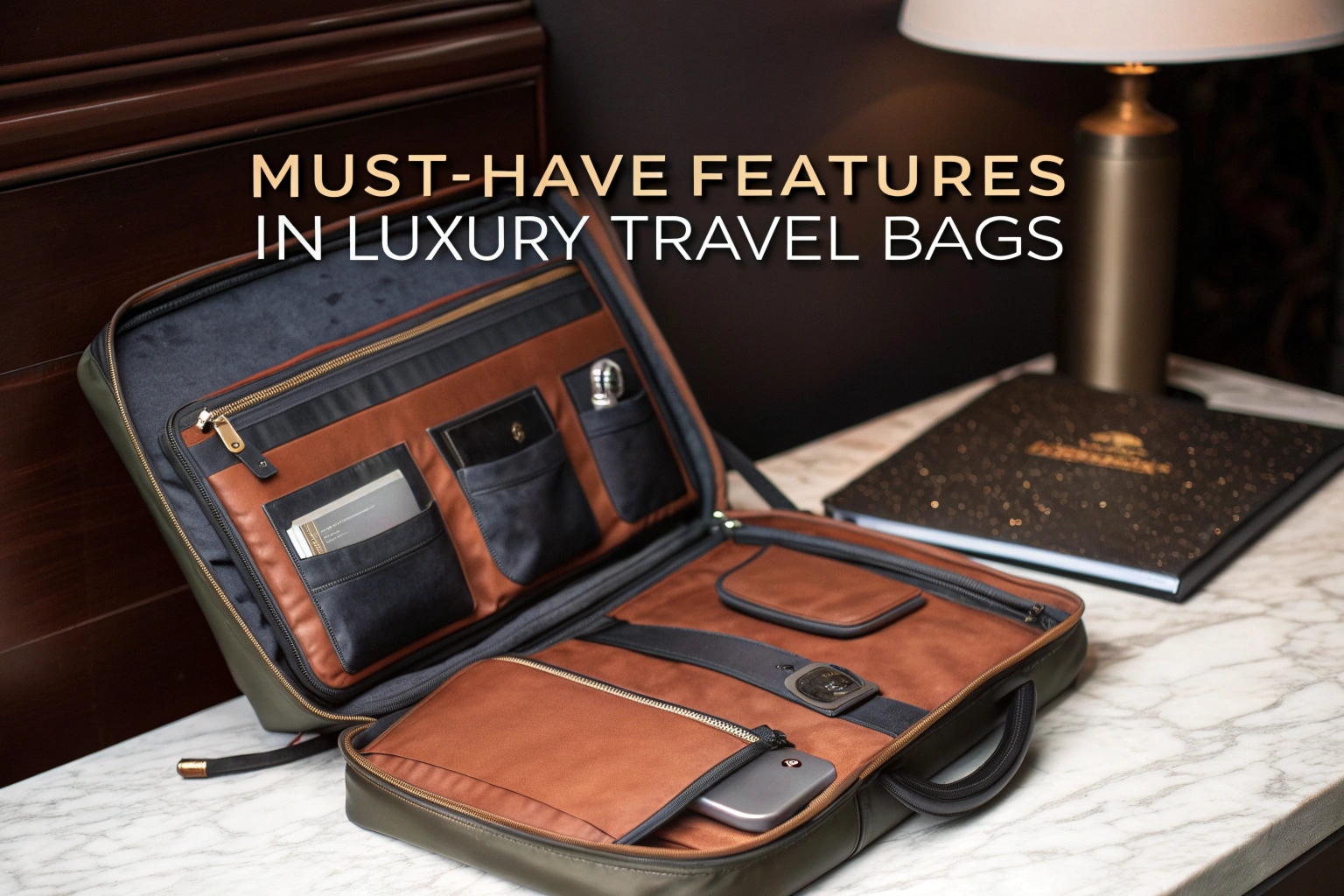
Have you ever reached for a bag at the last minute and felt the little, insistent worry that it won’t stand up to the trip or make you feel quietly proud at the baggage carousel?
Must-Have Features In Luxury Travel Bags
When you think of luxury travel bags you might imagine supple leather, gleaming hardware, and a scent that hints at careful workshops. But the truth is more domestic and a little less theatrical: luxury in travel bags is the way design solves everyday problems for you. It’s the calm of a zipper that never jams, the small triumph of a pocket that exactly fits your passport, the quiet competence of rollers that glide without drama. This article lays out the must-have features in luxury travel bags, so you can choose a companion that behaves with dignity on trips large and small.
Why the right travel bag matters to you
You don’t just carry things; you carry plans, documents, moods, and sometimes a whole day’s worth of optimism. A well-made travel bag says to you, “I can be trusted.” It reduces friction at the airport, prevents embarrassment in a taxi, and keeps your socks from getting crumpled in customs. That practicality—wrapped in style—that’s the luxury you want.
Construction and materials: the foundation of lasting luxury
Luxury begins with material and workmanship. What the bag is made of and how it’s put together determines its lifespan, how it ages, and how it behaves when you trip over a time zone.
Full-grain leather vs. top-grain and alternatives
Full-grain leather is the classic choice. It’s thick, develops a beautiful patina, and can last decades if you treat it well. Top-grain leather is thinner and often more uniform in color, sacrificing a little character for a sleeker look. But luxury no longer means only leather. High-performance textiles—ballistic nylon, Cordura, and modern recycled fabrics—offer water resistance, lightness, and lower maintenance.
- If you want an heirloom piece that ages, full-grain leather.
- If you travel in rainy or rugged conditions, consider ballistic nylon or coated canvas.
- If you care about sustainability, look for certified, recycled performance fabrics or vegetable-tanned leather with transparent sourcing.
Stitching, seams, and edge finish
The tiny stitches often tell the truest stories. Double-stitched seams, locked stitching at stress points, and bar-tacks at handles mean a bag won’t come undone at the worst moment. Pay attention to edge finish—sealed edges prevent fraying and keep moisture out. These details are not glamorous but they are cricket-like in their reliability.
Hardware: zippers, pulls, and wheels
Hardware is like punctuation in a sentence—subtle but necessary. YKK zippers or custom heavy-duty zippers will save you from mid-trip panic. Metal pulls and reinforced grommets are signs that the brand thought about usage. For wheeled bags, smooth, multi-directional spinner wheels with ball-bearing systems provide effortlessness. Cheap wheels wobble and make you feel inelegant; good wheels make you feel like the world is granting you a small, practical favor.
Organization and compartmentalization: keep your life sensible
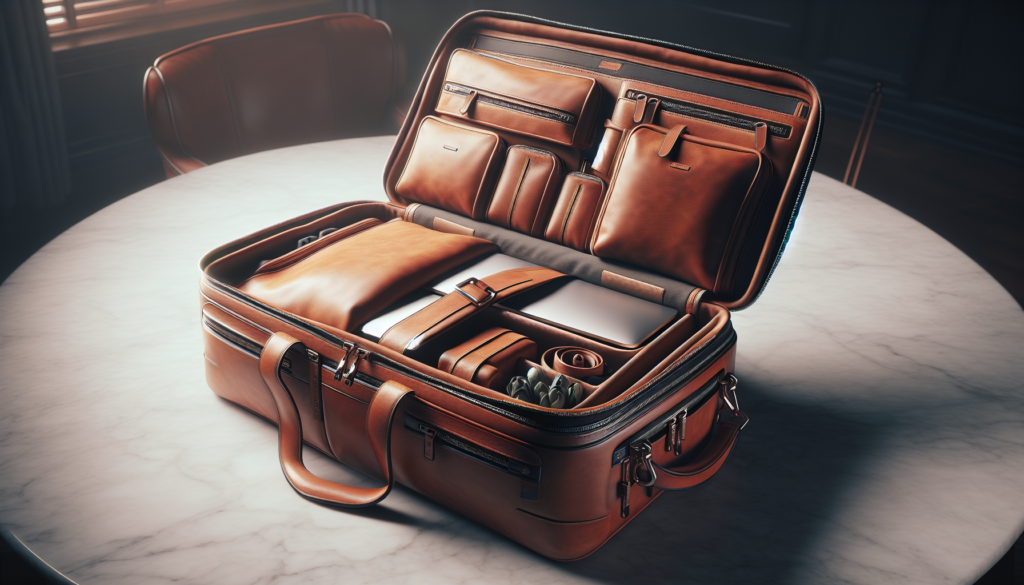
Well-planned compartments are a form of kindness. They prevent frantic rummaging, reduce creases in clothes, and protect fragile items.
Dedicated pockets for essentials
You should have quick-access pockets for your passport, boarding pass, keys, and phone. These pockets should be secure but easily reachable. An external zippered pocket that you can open without removing the bag from the trolley is worth its weight in calm.
Laptop and tech organization
A padded laptop sleeve that locks or tucks flat against the back keeps your device safe and accessible for security checks. Many luxury bags now provide a separate tablet sleeve and a soft-lined pocket for sunglasses or a phone. Look for pockets lined with microfleece or felt to avoid scratches.
Packing cubes and modular inserts
Modularity is underrated luxury. Built-in packing cube compartments or removable organizers let you keep shirts neat and toiletries separate. Some designers provide garment sections that unzip and lay flat—perfect for a dress or suit that you want to keep crease-free.
Shoe and laundry compartments
A bag with a ventilated shoe compartment and a separate laundry pouch keeps odors and dirt away from the rest of your clothes. When the shoes are tucked into a dedicated space, even a hurried unpacking feels deliberate.
Security and anti-theft features: calm protection
Luxury doesn’t shout about safety; it makes you feel secure without thinking about it. Anti-theft features protect your valuables in public spaces and on overnight trains.
Lockable zippers and TSA-approved locks
Lockable zippers let you secure main compartments. A TSA-approved lock is useful if you expect airport security inspections in the United States; the TSA can open these locks with a master key and reseal them. For international travel, check local guidelines—rules can differ.
RFID-blocking pockets
A slim RFID-blocking pocket protects your passport and contactless cards from unauthorized scanning. It’s a subtle reassurance that keeps digital vulnerabilities physically separated.
Slash-proof straps and panels
Slash-proof construction—reinforced straps and panels with cut-resistant materials—prevents thieves from slashing your bag in crowded areas. This is especially valuable for urban travel or transit hubs.
Hidden compartments and discreet access
Hidden pockets for cash, documents, or emergency cards can be a lifesaver. These aren’t glamorous places but they are thoughtful: a secure internal pocket behind the lining or a zip concealed under a flap.
Comfort and ergonomics: you must feel good carrying it
A luxury bag respects your body. Straps, handles, and balance matter, especially when you carry the bag for a long time.
Padded shoulder straps and load distribution
Padded, contoured shoulder straps with breathable mesh distribute load across your shoulders and back. For backpacks, a sternum strap and removable hip belt further distribute weight and reduce fatigue. The straps should be adjustable easily, without generating a wrestling match in a busy station.
Handle design and trolley sleeves
Handles should be comfortable in either hand and well-placed so that the bag doesn’t flip when you lift it. A sturdy telescoping handle with multiple stops and a trolley sleeve that allows you to slide the bag over rolling luggage keeps you steady at busy gates.
Weight and balance
Luxury is lightweight where it counts. The bag should have enough structure to protect contents but not so much that it adds a kilogram to your hand at departure. Balanced internal design prevents the bag from becoming top-heavy; that’s the difference between graceful carrying and one awkward tumble.
Water-resistance and weatherproofing: small but crucial defenses
You can’t control a sudden downpour or a coffee spilled in a train seat. A luxury bag anticipates these incidents.
Coatings, treatments, and seam sealing
Water-repellent coatings and sealed seams protect your bag’s interior. For leather, a careful waterproofing treatment helps but won’t create the same impermeability as synthetic options. For heavy rain, a detachable rain cover is a tidy, practical feature.
Zippers and flaps that keep water out
Storm flaps over zippers, water-resistant zips, and overlapping seams lower the risk of water ingress. These are small design elements that reveal thoughtful construction.
Technology-friendly features: useful, not gratuitous
Technology is part of modern travel, but luxury integrates it subtly.
Built-in charging solutions and power pockets
A bag with a discrete, padded pocket for a power bank and a cable routing channel lets you charge devices on the move without spilling wires. Note airline restrictions: you must carry power banks in the cabin, not in checked luggage.
Smart tracking and connectivity
GPS trackers or Bluetooth tile pockets can save you grief with lost luggage. Some luxury brands integrate discreet tracker pockets that fit standard devices. Keep power and privacy in mind—you don’t want a tracker that constantly drains a battery or broadcasts your location.
Cable management and headphone ports
Little grommets for earbud cables or an external USB port can be helpful so long as they don’t add clutter. The best tech features are minimal and make life easier without asking for constant updates.
Aesthetic and craft: the look of intentionality
Luxury bags please the eye because they’ve been designed with a very human sensibility. Materials pair well, seams are straight, and the color palette is quiet rather than shouty.
Timeless design versus trend
A classic silhouette in a neutral tone will carry you through seasons and styles. If you choose a bolder color, make sure the construction is as good as the look — otherwise the novelty fades and you’re left with a bag that doesn’t age well.
Finishing details: piping, edge painting, and lining
Finishings—like hand-painted edges, smooth linings, and matched hardware—show investment. A high-quality lining with a pleasant tactile feel (and preferably a light color so you can see contents) turns packing into a small pleasure.
Personalization and monogramming
Personalization can be charming if executed with restraint. Discrete monograms or debossed initials add a small, personal story to your bag, making it feel like it belongs to you rather than simply being owned by you.
Sustainability and ethical sourcing: conscious luxury
Luxury increasingly means responsibility. You should know where the bag comes from and how it was made.
Traceable materials and certifications
Look for brands that provide traceability for leather, or certifications for recycled textiles. Vegan alternatives exist and can be responsibly made; the key is transparent sourcing and manufacturing practices.
Repairability and lifelong service
The luxury brands that matter offer repair services and spare parts. A bag that can be repaired rather than discarded is genuinely luxurious: it’s a long-term relationship, not a disposable accessory.
Maintenance and warranty: practical aftercare
Owning a luxury bag includes gentle stewardship. You’ll want to know how to care for it and what the brand will do if something breaks.
Cleaning, conditioning, and storage
For leather, conditioning and keeping it away from prolonged moisture or sunlight will preserve suppleness. For synthetics, a soft cloth and mild soap do the trick. Store the bag in a breathable dust bag and avoid plastic bags that trap moisture.
Warranties and repair networks
A robust warranty is a sign of confidence. Check whether the brand offers international repairs and what the fine print says about wear versus manufacturing defects.
Size, capacity, and airline compliance: the practical measurements
Buying a bag requires practical decisions about dimensions and space.
Carry-on limits and measuring your bag
Airline carry-on dimensions vary. Measure including wheels and handles if you plan to use it as a cabin bag. A bag that maximizes space within strict dimensions is an exercise in thoughtful design.
Capacity planning: not too big, not too small
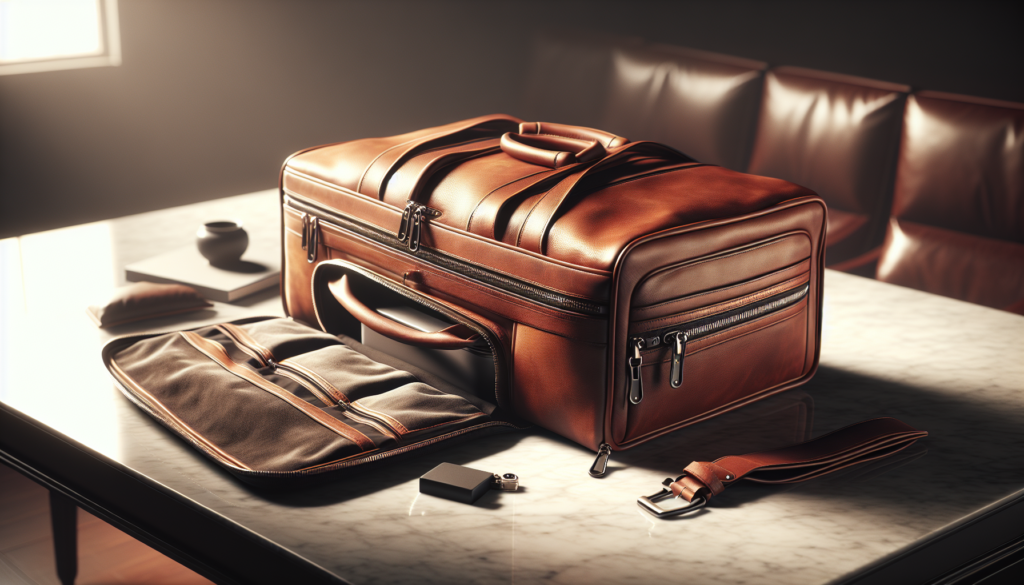
Think about your typical trip. A weekend bag should compress without wrinkling clothes; a weekender with a garment panel is ideal for short business trips. If you pack for long journeys, consider expandability that doesn’t compromise structure.
Versatility: one bag that does many things
True luxury often means adaptability—you want a bag that suits a flight to Rome, a rainy train ride, and a business meeting without feeling out of place.
Convertibility and modularity
Convertible bags that switch from backpack to briefcase or that accept modular inserts give you flexibility. The best systems feel natural rather than gimmicky.
Smart compromises for mixed trips
If you alternate between business and leisure, look for bags with a professional exterior but relaxed interior features—think a structured silhouette with soft-lined pockets and a hidden shoe compartment.
The unseen features that matter: small comforts
Some features you only notice when they’re missing: a quiet zipper, a pen loop that doesn’t stab your fingers, a key leash you can find in dim hotel rooms.
Quieting elements and tactile ease
Silent zippers, soft-touch pulls, and handles that don’t squeak make the difference between a bag that annoys you and one that disappears into usefulness.
Thoughtful small pockets and everyday usability
An inner pocket for business cards, a loop for eyeglasses, a small zip for a lip balm—these are small mercies. Luxury understands that the little things add up.
Comparing materials and bag types
A table can help you weigh options at a glance. Below is a concise comparison to guide practical decisions.
| Material / Bag Type | Pros | Cons | Best for |
|---|---|---|---|
| Full-grain leather | Ages beautifully, durable, luxurious feel | Heavy, needs care, can be costly | Business travel, weekenders, heirloom pieces |
| Ballistic nylon / Cordura | Extremely durable, water-resistant, low maintenance | Less formal aesthetic | Rugged travel, frequent flyers, urban commuting |
| Coated canvas | Lightweight, classic look, water-resistant | Can scuff, less breathable | Everyday travel, stylish casual trips |
| Recycled synthetics | Eco-friendly, lightweight, often water-resistant | Quality varies, may not patina | Conscious consumers, modern travel |
| Carry-on spinner | Maximize cabin space, effortless maneuvering | Can be heavy depending on build | Airline travelers wanting convenience |
| Weekender/duffel | Flexible packing, easy to store | Less structured, harder to access organized items | Short trips, leisurely travel |
| Garment bag | Keeps clothes crease-free | Bulky, may exceed carry-on rules | Formal/business travel |
| Convertible backpack/brief | Versatile carry options | Design compromises sometimes | City travel, mixed-purpose trips |
How to choose: a step-by-step thought process
Choosing a luxury travel bag is like choosing a household companion. You consider how you live, what you value, and where you go.
- Inventory your needs: list typical trips, what you pack, and what has frustrated you before.
- Choose materials by climate and lifestyle: leather if you want an heirloom; synthetics if you need weather resistance.
- Test ergonomics: try lifting and wearing the bag loaded to a typical weight.
- Check dimensions: measure inclusive of wheels and handles for airline rules.
- Evaluate organization: make sure internal compartments match your items.
- Review warranty and repair policy: ensure the brand supports long-term care.
- Consider sustainability and ethics: read the brand’s sourcing and production transparency.
Practical buying tips: how to decide in store or online
When you’re choosing in person, bring a few small items you typically travel with—a laptop, a toiletry bag, an umbrella. Pack them into the bag to feel how the organization works. For online purchases, read multiple reviews focusing on long-term use, not just first impressions.
What to ask the retailer
- Where are the materials sourced?
- Can the bag be repaired locally or internationally?
- What is the warranty coverage and duration?
- Are spare parts (wheels, handles, zippers) available?
Care and storage checklist
Taking a few small steps will extend the life of your bag and keep it feeling luxurious.
- Clean coatings and textiles with a damp cloth; avoid harsh chemicals.
- Condition leather with a pH-appropriate product a couple times a year.
- Store in a breathable bag, filled with acid-free paper to retain shape.
- Keep zippers lubricated with a suitable wax or zipper lubricant.
- Replace worn wheels and hardware promptly; don’t let a small issue become catastrophic.
Final practical checklist: what your luxury bag must offer
| Feature | Why it matters |
|---|---|
| Durable, high-quality material | Longevity and feel |
| Reinforced stitching and hardware | Prevents failure at stress points |
| Smooth, reliable zippers | Day-to-day peace of mind |
| Padded laptop and tech sleeves | Device protection and airport ease |
| Organized internal compartments | Minimize frantic searching |
| Comfortable straps and handles | Reduces fatigue and improves posture |
| Water resistance and seam protection | Keeps contents dry and clean |
| Anti-theft features (RFID, slash-proof) | Personal security in transit |
| Repairability and warranty | Investment protection |
| Versatile design | Matches multiple travel needs |
Parting thought: choose a bag that understands small moments
Luxury travel bags are not just about show. They are intimate tools that ease small frictions and make travel feel less like a battle and more like purposeful movement. When you choose a bag with thoughtful construction, honest materials, practical compartments, and a quiet sense of design, you’re choosing fewer surprises and more small pleasures—like finding your passport without emptying every pocket or rolling into a hotel without a creased shirt in sight.
Treat the search like a conversation. Try a few, take your time, and imagine how a bag will behave on a rainy transfer or an early-morning sprint. The right luxury bag will not make your life dramatic; it will make it saner, friendlier, and a little more graceful.