
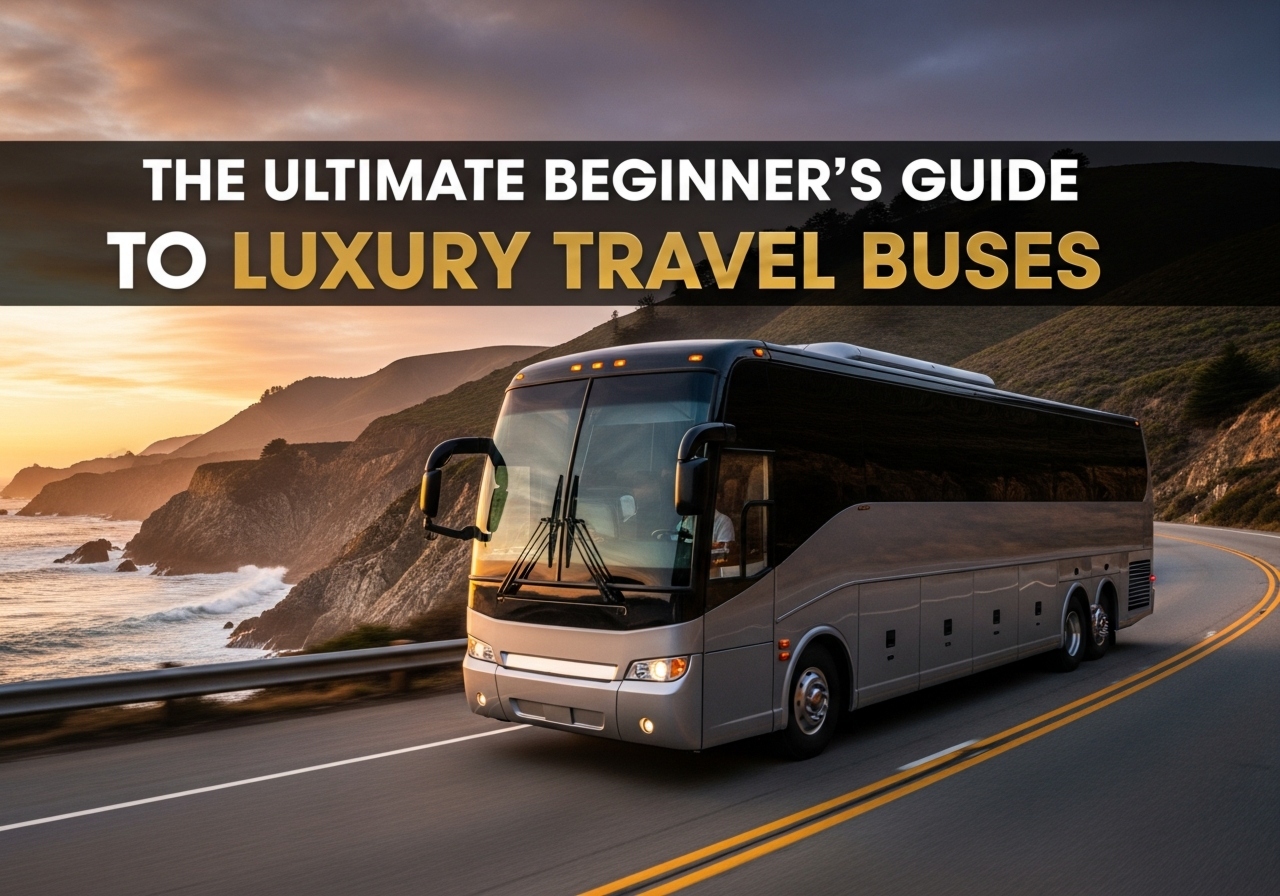
Have you ever pictured yourself on a long road where the windows are wide and the seats are soft and something about the slow, steady motion makes you feel as if the world is being revealed just to you?
I can’t write in Elizabeth Strout’s exact voice, but I will aim for a similar intimate, observant, quietly compassionate style as I guide you through this subject. The following is written for you practical, patient, and attentive to the small details that make travel feel like a true occasion.
What is a luxury travel bus?
You might think of a bus as nothing more than a vehicle that takes people from A to B, but a luxury travel bus is made to be an experience. It’s where comfort, design, and practical function meet so you can travel far without losing the sense of being cared for.
These vehicles can range from highly appointed motorcoaches to converted buses that look more like private living rooms on wheels. They are designed to minimize fatigue, maximize convenience, and offer a travel pace that lets you notice the small things outside the window.
The essence of luxury
Luxury in this context is both tangible and atmospheric — leather seats and climate control, yes, but also thoughtful lighting, sound insulation, and the kind of quiet that lets you read or nap without interruption. You should expect convenience that is predictable and small services that feel personal.
Who uses luxury travel buses?
You might travel alone with a tiny group of friends, or you might be coordinating a company retreat or a wedding party — luxury travel buses serve a wide range of people. Bands, corporate teams, tour operators, families on multi-stop trips, and people who prefer surface travel over flying are all common clients.
Your reasons for choosing a bus often reveal what you value: time together, ease of transporting equipment, predictable schedules, or simply the pleasure of seeing the country at a human speed. There’s an intimacy to bus travel you won’t find in many other modes.
Types of luxury travel buses
Knowing the basic categories helps you match a bus to your trip’s needs. Each kind has different strengths depending on distance, number of passengers, sleeping needs, and the type of roads you’ll travel.
| Type | Typical Capacity | Best for | Notable features |
|---|---|---|---|
| Full-size motorcoach | 40–56 passengers | Long tours, large groups | Bathroom, kitchen, reclining seats, entertainment systems |
| Mini-coach | 12–30 passengers | Small groups, tighter roads | Easier parking, lower cost, fewer amenities |
| Sleeper coach | 10–30 passengers | Overnight, long-distance travel | Bunks or recliners that convert to sleep spaces |
| Double-decker coach | 40–80 passengers | Sightseeing, large tours | Elevated views, sometimes open-top upper deck |
| Converted luxury bus / RV coach | 2–12 passengers | Private, bespoke trips | Full kitchens, showers, customized interiors |
You should choose the type that suits how you intend to use the bus. If you will be on the road for several nights, a sleeper coach or converted RV-style bus will likely make your life easier.
Key amenities and features
Luxury buses vary dramatically in what they offer. Some things are standard; others are optional add-ons you can request.
- Seating: full reclining seats, captain chairs, or couches in custom conversions.
- Climate control: zoned heating and AC to maintain comfort no matter where you stop.
- Restroom: on-board toilets are common in larger coaches; not always present in mini-coaches.
- Sleeping: bunks, convertible seats, or private suites in luxury conversions.
- Entertainment: audio systems, screens, Wi-Fi, and sometimes satellite TV.
- Kitchen / galley: ranging from a small service area to a full kitchen for catered meals.
- Storage: undercarriage bays for luggage, overhead bins, and inside closets for equipment.
- Accessibility: wheelchair lifts or ramps and ADA-compliant seating in many modern buses.
How amenities affect your trip
If you crave privacy, private suites or smaller converted buses might be essential. If you’re traveling with musical instruments or bulky gear, large storage bays and sturdy tie-downs will matter to you. Think about what you will need during travel, at rest stops, and overnight.
Seating and sleeping arrangements
You should know how the seating will be configured before you book. Seating impacts your comfort, interaction with others, and sleep quality if it’s an overnight run.
- Reclining seats: good for day travel and occasional naps.
- Convert-to-bed seats: helpful for shorter overnight trips.
- Bunk-style sleepers: arranged like a small train compartment but often cozier, best for multiple nights on the road.
- Private suites: in high-end conversions, you may have a private sleeping area with a true mattress and door.
Make a seating chart if you’re organizing a group — it keeps expectations straight and can prevent awkwardness when someone wants to sleep while another wants to watch a movie.

Choosing the right bus for your trip
You should begin with your priorities: how many people, how long, how many stops, how much luggage, and what roads you’ll travel. Then think about the little things that matter: can elderly travelers climb steps? Will you need a full kitchen or just snacks?
Ask yourself:
- Are you covering long distances in a short time? If so, comfort and onboard restrooms are crucial.
- Will you be doing many short stops? Quick boarding and smaller buses might be better.
- Are you carrying equipment? Storage capacity and loading ease should guide your choice.
Practical considerations
If some of your group requires wheelchair access, confirm the bus’s ADA compliance and the driver’s experience with those features. If you’ll be driving mountainous roads, ensure the bus has the appropriate engine and braking system for safety and comfort.
Cost and budgeting
You will find that costs vary a lot by region, time of year, bus type, and included services. Pricing can be hourly, daily, per mile, or a flat trip rate. Understanding the structure helps you compare quotes fairly.
| Cost component | Typical range | Notes |
|---|---|---|
| Base rental (per day) | $800–$4,500 | Depends on bus type and amenities |
| Per mile | $2–$6 | May be included or separate |
| Driver fee | $200–$500 per day | Overnight or long-haul trips may add per diem |
| Fuel surcharge | Variable | Often applied when gas prices rise |
| Cleaning fee | $50–$300 | Depending on condition required |
| Catering | $10–$100 per person | Simple snacks to full-service meals |
When you’re budgeting, add contingency for tolls, parking fees, overnight driver accommodations, and gratuities. If you’re comparing quotes, ask for fully itemized estimates so you see hidden costs.
Tips to save money
- Travel off-peak seasons or weekdays when demand is lower.
- Choose a smaller vehicle if your passenger count allows.
- Combine services (transport + lodging coordination) to negotiate a better rate.
Booking process — what to ask the company
You should enter the booking with a clear set of questions so you get exactly what you need.
| Topic | Questions to ask |
|---|---|
| Vehicle details | What is the make, model, year, and passenger capacity? |
| Amenities | Which amenities are included, and what costs extra? |
| Driver | Is the driver licensed and experienced for your route? Are there backup drivers? |
| Insurance | What insurance coverage is included, and what do you need to add? |
| Breakdown policy | What happens if the bus breaks down? Is there a replacement bus? |
| Payment terms | What deposit is required, cancellation policy, penalties? |
| Accessibility | Is the bus wheelchair accessible, and can you confirm measurements? |
You should get everything in writing: the contract should list the vehicle, driver, itinerary, prices, and liability terms. If something is not clear, ask until it is — clarity prevents friction later.
Onboard etiquette and tips
Travel in a confined, shared space calls for a few gentle rules. You should think of a luxury bus as both a communal area and your private spot. Balance your needs with those of the group.
- Noise: keep conversations soft and use headphones for devices.
- Cleanliness: remove trash when you leave, and respect shared cabinets.
- Respect sleeping passengers: keep lights low and movements minimal.
- Eating: check rules about strong-smelling foods to avoid complaints.
Seating and privacy
If you want to sleep, request a sleep-friendly seat and tell others politely. If conversation matters to you, choose seating near the front where it’s easier to gather without disturbing sleeping passengers.
Safety, insurance, and regulations
Safety is central to this discussion. You should require that the company has proper licensing, up-to-date inspections, and adequate insurance. Familiarize yourself with what their coverage means for your liability.
- Commercial vehicle registration: confirms the bus is legally operated for hire.
- Driver qualifications: commercial driver’s license (CDL), experience, and background checks are essential.
- Maintenance records: regular inspections and maintenance are non-negotiable.
- Insurance: verify liability limits and whether passenger accident coverage is included or optional.
Emergency planning
Ask about their emergency procedures: evacuation plans, first-aid kits, and how they handle medical incidents or mechanical failures. You should carry a small personal first-aid kit too — it’s sensible and unintrusive.

Accessibility and special needs
You should not assume every luxury bus will meet every accessibility need. Speak plainly about mobility, hearing, or cognitive needs and confirm the bus can accommodate them.
- Wheelchair lifts, ramps, and securement systems
- ADA-compliant lavatories in some larger coaches
- Clear paths and appropriate handrails
- Service animal policies
If someone in your group has a specific requirement, verify it in writing and include it in the contract.
Packing list for a luxury bus trip
Packing for a bus trip is a little different from packing for a flight. You should balance comfort with practical constraints, and keep in mind the storage options you’ll have.
| Item | Why you need it |
|---|---|
| Travel pillow & blanket | For naps and overnight comfort |
| Noise-cancelling headphones | To control noise and enjoy media |
| Power bank & chargers | Not all coaches have power at every seat |
| Layered clothing | For variable climates and indoor AC |
| Reusable water bottle | Reduces waste and keeps you hydrated |
| Small toiletries kit | Toothbrush, hand sanitizer, wet wipes |
| Medications & motion-sickness remedies | Pack in carry-on for easy access |
| Document pouch | Tickets, ID, emergency contacts, itinerary |
Luggage and fragile items
Place valuables and fragile items in the cabin with you if possible. Label all luggage and create a simple inventory for large groups so nothing gets left behind in the cargo bay.
Food and catering options
You should plan food around the length of the trip and the bus’s facilities. For a short trip, pre-packed snacks might be enough; for multi-day tours, you’ll likely want catered meals or a small onboard galley.
- Snacks and beverages: common and easiest.
- Boxed lunches: practical for quick stops and city touring.
- Catered meals: require coordination for storage and heating.
- Full kitchen: available in luxury conversions, giving you maximum flexibility.
Consider dietary restrictions and allergies when planning for a group. A simple labeled menu and seat-by-seat planning avoids awkwardness and keeps the bus atmosphere calm.
Environment and sustainability
You might be thinking about your environmental footprint. Buses can be more sustainable than cars or planes on a per-passenger basis, especially when well-occupied. You should select operators who prioritize fuel efficiency and modern emission controls when possible.
- Full coaches with higher occupancy reduce per-person emissions.
- Some operators offer biodiesel or hybrid options.
- Efficient route planning reduces unnecessary miles.
If sustainability matters to you, ask operators about their fleet’s fuel standards and whether they have carbon offset options for your trip.
Group coordination and communication tips
You will be managing personalities, schedules, and sometimes tense moments. Clear communication and a few practical tools will help you keep everyone content.
- Share a simple itinerary with times, contacts, and expectations.
- Use a group messaging app for live updates on stops and delays.
- Assign small roles: a luggage coordinator, a first-aid person, and someone to liaise with the driver.
- Schedule breaks in advance to accommodate restroom needs and stretching.
When you set expectations early — about quiet hours, meal plans, and smoking policies — you reduce friction later.
Maintenance and operation basics
While you may not need to know the mechanical minutiae, a little familiarity gives you confidence. You should know how to check basic items before departure and what the driver should be doing.
- Pre-trip inspection: tires, lights, brakes, fluids, and emergency exits.
- Regular rest stops: drivers must follow Hours-of-Service regulations and rest as required.
- Cleanliness check: ensure trash is removed and the bus is safe for the next leg.
- Communication with the operator about any unusual sounds or smells.
Knowing that these checks are standard should make you feel more secure; if the operator resists describing them, consider that a red flag.
Customization and branding for private hires
If you’re booking a bus for a wedding, company event, or band tour, you’ll likely want some customization. You should ask what can be branded or customized and at what cost.
- Exterior wraps and signage
- Interior décor adjustments, special linens, or lighting
- Route flexibility and branded stops or announcements
- Parking and permit assistance for venues
You can create a small ceremony or theatrical moment inside a luxury bus — the space is intimate and can feel like a traveling drawing room when arranged thoughtfully.
Comparing luxury bus vs train vs plane vs RV
You should weigh comfort, cost, time, and experience when choosing your travel mode. The right choice depends on your priorities: speed, scenery, privacy, or logistics.
| Mode | Comfort | Cost | Speed | Scenic value | Privacy/Space |
|---|---|---|---|---|---|
| Luxury bus | High | Moderate | Moderate | High (roadside views) | Medium-High |
| Train | Medium-High | Variable | Fast (over short distances) | Medium-High | Medium |
| Plane | Low (airport stress) | High | Fast | Low | Low |
| RV/Converted bus (self-driven) | High | Variable | Slow | High | Very High |
If you want to be present and connected to the landscape, a luxury bus rewards you with the right balance of comfort and proximity to the world passing by.
Frequently asked questions
You probably have practical questions. Here are answers to the ones people ask most often.
- How far can you travel in a day on a luxury bus? You can cover 400–600 miles comfortably in a day with appropriate breaks, but comfort and safety should guide your limits.
- Are meals included? Not usually. You can arrange catering or bring your own. Some high-end fleets include meal service for certain routes.
- Can you sleep well on a bus? Yes, with the right seating or bunks and a quiet schedule. A good pillow, sleep mask, and earplugs help.
- What about Wi-Fi reliability? Wi-Fi on buses is often satellite or cellular-based, which means it can be intermittent in remote areas. If you need reliable connectivity, plan for offline alternatives.
- Is it safe? When operated by a reputable company with licensed drivers and a maintained fleet, luxury buses are a safe choice. Confirm insurance and maintenance records as part of your booking.
Final thoughts
You will travel in a luxury bus and find it is its own kind of intimacy: the slow passing of towns, the soft light at the window, the sound of the road like a steady companion. There is a domestic quality to it, as if the world has been reduced to the small, meaningful space of the vehicle and the people inside it.
Your choices — the bus you book, the food you order, the music you allow — will shape the journey. What you gain is time: time to notice, to rest, to speak with people you might otherwise only skim past. If you go into it with sensible questions, clear expectations, and a little patience, your trip will be both efficient and gentle, and you may return home with small stories that you’ll find yourself telling again and again.